Understanding the Purpose of a Cover Letter
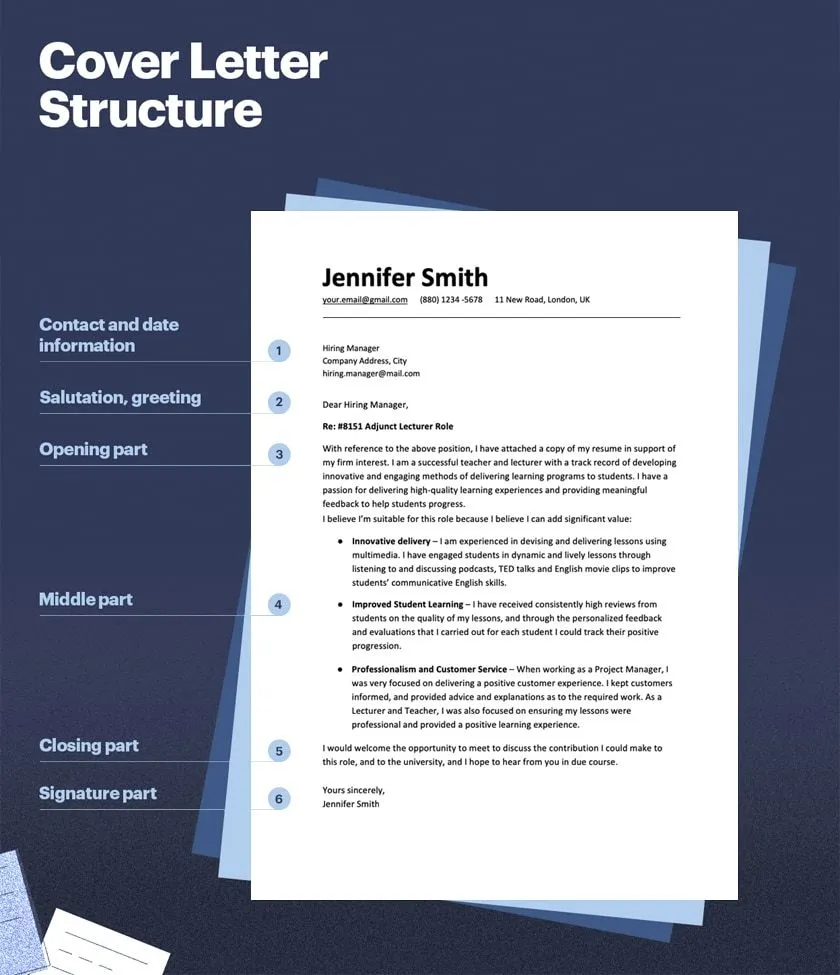
A cover letter serves as your personal introduction to a potential employer, offering a crucial opportunity to showcase your personality, skills, and enthusiasm for a specific position. Unlike a resume, which provides a factual summary of your experience and qualifications, a cover letter allows you to craft a narrative, explaining why you are the perfect fit for the role and how your unique experiences align with the company’s needs. It’s your chance to make a strong first impression, demonstrating your communication skills and your genuine interest in the opportunity. Many job seekers often question, “when is a cover letter necessary?” and it’s a valid question, but knowing when to use it can significantly increase your chances of getting noticed by hiring managers. Consider your cover letter as a tool to complement your resume and make your job application package more persuasive.
When Applying for a Specific Job
The most straightforward answer to “when is a cover letter necessary?” is almost always when you’re applying for a specific job. This is the most common scenario where a cover letter becomes an indispensable part of your application. It allows you to directly address the requirements outlined in the job description, highlighting your relevant skills and experience, and demonstrating your understanding of the role’s responsibilities. It provides a platform to elaborate on your achievements, explain how they align with the company’s needs, and express your genuine interest in the position. This demonstrates your seriousness about the job and your ability to communicate effectively in a professional setting.
Tailoring Your Cover Letter

When applying for a specific job, the key is to tailor your cover letter to each position. Avoid using a generic template. Research the company and the role, and then customize your letter to reflect your understanding of their needs and the specific skills they’re seeking. Address the hiring manager by name (if possible) and clearly articulate why you’re the best candidate. This level of personalization shows that you’ve taken the time to understand the role and are genuinely interested in the opportunity, significantly increasing your chances of getting noticed. Always proofread your cover letter for any errors. Remember to showcase your personality, emphasizing what makes you unique and why you’re excited about the job.
When the Job Posting Requests One
This is perhaps the clearest signal that a cover letter is required. If a job posting explicitly asks for a cover letter, submitting your application without one could be a major misstep. This request indicates that the employer values this document as part of their evaluation process. In such cases, a cover letter isn’t just optional, but an expected component of your application. Ignoring this instruction signals that you might not pay close attention to detail, which can lead to your application being immediately rejected. Always carefully read the job posting instructions to ensure you meet all requirements.
Following Instructions
Following instructions, as simple as it seems, is crucial in the job application process. It reflects your ability to adhere to guidelines, which is essential in most professional settings. If a job posting specifically states “cover letter required,” providing one is not only expected, but it also demonstrates your attention to detail, professionalism, and respect for the employer’s requirements. Failing to do so suggests that you might not be a good fit for the role. Make sure you’re sending the application in the required format and that all the necessary documents are attached before submitting your application.
When You Have Career Gaps or Changes

If you have career gaps, changing careers or if your resume contains any inconsistencies, a cover letter is an ideal place to address these issues proactively. Career gaps, periods of unemployment, or significant shifts in your career path often raise questions for hiring managers. A cover letter gives you an opportunity to offer context, explain the situation, and demonstrate how your skills and experiences are still relevant to the job. It allows you to frame these circumstances in a positive light, highlighting what you’ve learned during those periods and how it has made you a stronger candidate. This is crucial for mitigating any potential concerns and ensuring that your resume isn’t immediately discarded.
Addressing Concerns
Use your cover letter to address any potential concerns that might arise from your resume or application. This might include explaining a career gap, a change in industries, or a lack of specific experience. Address the concerns openly and honestly. However, it is crucial to frame these explanations positively, focusing on what you’ve learned, the skills you’ve gained, and how they make you an even better fit for the role. Don’t dwell on the negatives; instead, highlight the lessons learned and how you’ve grown professionally. This will help to put the employer’s mind at ease and demonstrate your ability to overcome challenges.
When Networking or Cold-Contacting
When networking or cold-contacting potential employers, a cover letter serves as an essential introduction. It is your tool to introduce yourself, explain your interest in the company or a specific role, and make a compelling case for why they should consider you. Whether you are reaching out to someone you met at a conference or directly contacting a hiring manager, a well-crafted cover letter can help you stand out and make a positive first impression. This proactive approach demonstrates initiative and can open doors to opportunities that may not be advertised, making it a valuable component in expanding your job search.
Making a Strong First Impression

The cover letter is your initial point of contact. It needs to be a compelling document that grabs their attention. Your cover letter is your opportunity to showcase your personality, enthusiasm, and communication skills. A well-written letter demonstrates professionalism and attention to detail, qualities that are highly valued by employers. Make sure your cover letter is personalized, mentioning the company’s name and the specific role you’re interested in. Tailor your letter to highlight your relevant skills and experiences. Proofread your letter to eliminate any errors in grammar and spelling, and make sure it is clear and concise.
When Applying for a Non-Traditional Role
For non-traditional roles, where the job requirements might not be conventional, or when you’re looking to showcase a unique skill set, a cover letter becomes especially important. In these scenarios, the cover letter gives you the freedom to express your qualifications, elaborate on your skills, and explain how your background aligns with the role’s requirements. It provides the space to articulate your value proposition in a way that a standard resume might not. This is particularly useful when the job requires creativity or when you want to highlight specific experiences or projects that make you stand out from other applicants.
Highlighting Unique Skills
A cover letter offers you a chance to highlight any unique skills, experiences, or qualifications that set you apart from the crowd. If you have skills that aren’t explicitly listed in the job description, or if you possess experience that goes above and beyond what the role requires, use the cover letter to showcase those assets. This is an ideal place to highlight any projects, achievements, or personal attributes that add value to your application. By highlighting these unique selling points, you can make a memorable impression and increase your chances of standing out from the other candidates.
Conclusion

Knowing “when is a cover letter necessary” is a critical part of every job seeker’s strategy. In essence, a cover letter is a powerful tool in your job search arsenal, and its importance cannot be overstated. While it’s not always a requirement, understanding when to use a cover letter can make the difference between being noticed and overlooked. By tailoring your cover letter to each application, proactively addressing any concerns, and highlighting your unique skills, you significantly increase your chances of landing your dream job.