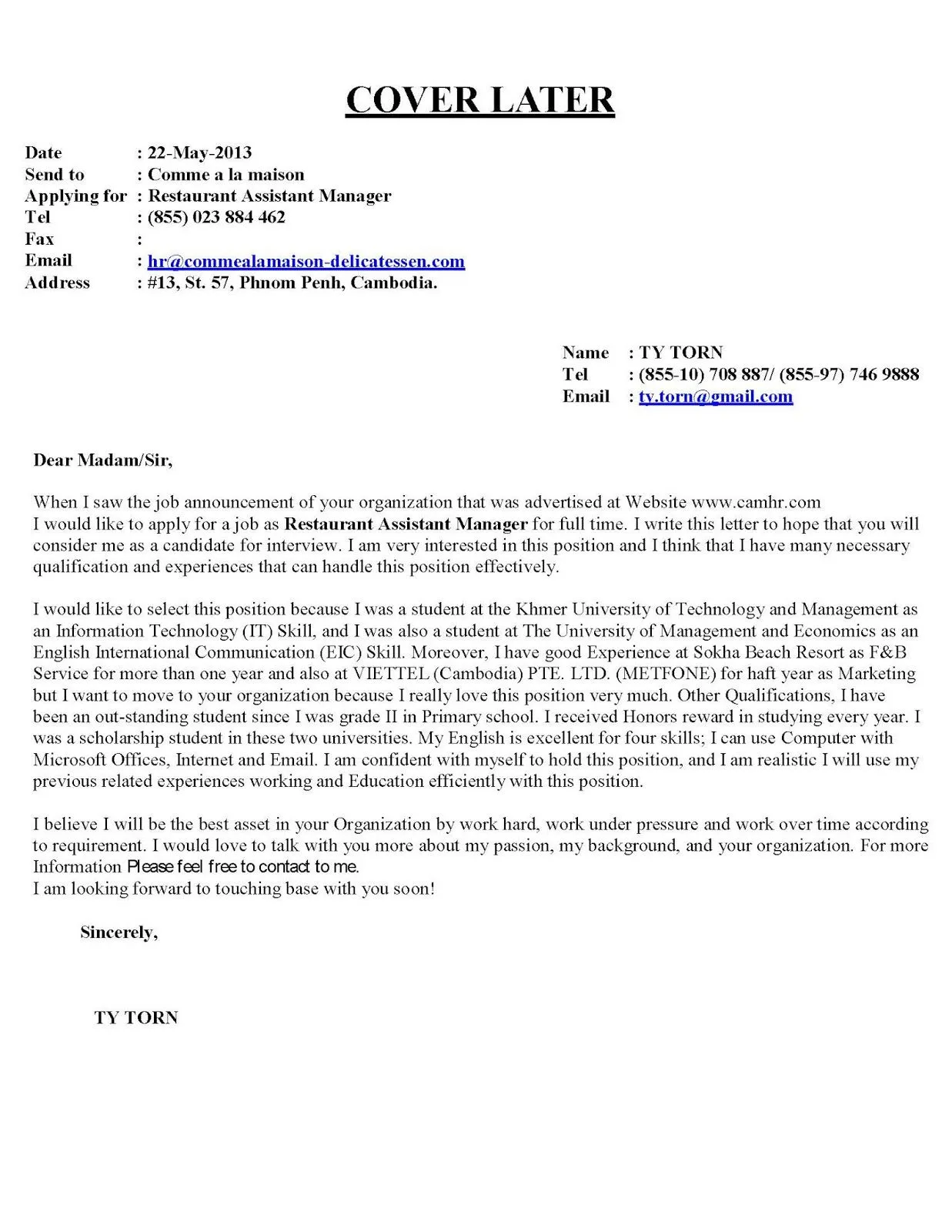
Why Cover Letters Still Matter
In the digital age, many job seekers question the continued relevance of cover letters. While resumes provide a snapshot of your skills and experience, cover letters offer a crucial opportunity to provide context and demonstrate your genuine interest in a specific role and company. They allow you to connect your qualifications to the job requirements, explain any discrepancies in your resume, and express your personality. A well-crafted cover letter can significantly increase your chances of landing an interview, making it a powerful tool in your job search arsenal. Ignoring the cover letter could mean missing an opportunity to stand out from the crowd. Therefore, learning how to write a cover letter that gets you noticed will always be an essential skill for job seekers.
Highlighting Your Value Proposition
A compelling cover letter is not a mere repetition of your resume; it’s an opportunity to articulate your value proposition. This means clearly stating what you can bring to the table and how your skills and experience align with the employer’s needs. Use the cover letter to showcase specific accomplishments and quantify your achievements whenever possible. For example, instead of saying ‘Managed social media accounts,’ you could say ‘Increased social media engagement by 30% in six months.’ This specificity demonstrates that you understand the company’s goals and are committed to contributing to their success. In essence, the cover letter acts as your sales pitch, persuading the hiring manager that you are the best candidate for the job.
Tailoring Your Application

Generic cover letters are a surefire way to end up in the rejection pile. Tailoring each cover letter to the specific job and company is critical. This means researching the company, understanding their mission, values, and current projects, and then aligning your skills and experience accordingly. Mention specific projects, initiatives, or company goals that resonate with your background. Customize the language and tone to match the company culture. For example, if the job description emphasizes teamwork and collaboration, highlight your experience working in team environments. By demonstrating that you have taken the time to understand their needs, you increase your chances of getting noticed and securing an interview. This personalized approach shows that you are genuinely interested in the role and not just sending out mass applications.
Showcasing Your Personality
While your resume provides a factual overview of your qualifications, the cover letter gives you the space to showcase your personality and communication style. Use this opportunity to let your enthusiasm and passion for the role shine through. Avoid sounding overly formal or robotic. Instead, use a professional yet engaging tone. Share a brief anecdote or a personal connection that demonstrates your interest in the company. However, be mindful of the company culture; your level of formality should align with their norms. The goal is to present yourself as a well-rounded individual who is not only qualified but also a good fit for the company culture. A touch of personality can make your application more memorable and help you stand out from other candidates.
Addressing Gaps or Concerns
Life happens, and sometimes there are gaps or inconsistencies in your employment history or resume. A cover letter provides a perfect opportunity to address these issues proactively. If you have career gaps, explain the reason for them in a concise and positive manner. Focus on what you did during that time—whether it was further education, volunteer work, or personal projects. Similarly, if you are changing careers, explain how your skills are transferable to the new role. Framing these explanations positively will mitigate any potential concerns the hiring manager might have. Addressing potential red flags upfront demonstrates transparency and allows you to control the narrative. This proactive approach can prevent your application from being automatically discarded due to misunderstandings.
When a Cover Letter Isn’t Necessary

While a cover letter is usually a must, there are some instances where it might be optional. Some job applications may explicitly state that a cover letter is not required, or they may have a specific field for a ‘personal statement’ instead. In such cases, it’s best to follow the instructions provided. For very specific roles, such as some technical positions, the emphasis is often on technical skills and experience, and the hiring manager might prioritize the resume. However, always err on the side of including a cover letter unless specifically told not to. If unsure, a brief and targeted cover letter is usually better than none, as it shows that you’re willing to take the extra step.
Understanding Employer Preferences
Employer preferences vary widely, and understanding these can influence your application strategy. Some companies highly value cover letters, seeing them as essential for assessing a candidate’s communication skills, personality, and interest. Other employers might not read them as carefully, especially if they are overwhelmed with applications. Researching the company’s hiring practices can provide insights into their preferences. Reading company blogs, LinkedIn profiles of employees, and job descriptions may give you clues about what the company values. If a company is known for its strong communication culture, a cover letter would be even more important. Tailor your approach to the employer, demonstrating that you understand their needs and expectations.
Navigating Applicant Tracking Systems
Applicant Tracking Systems (ATS) are widely used by companies to screen applications. These systems scan resumes for keywords and may or may not review cover letters. When applying through an ATS, ensure your cover letter complements your resume. Use similar keywords in both documents, but avoid keyword stuffing, which can make your application appear unnatural. The cover letter should still focus on your value proposition and demonstrate your interest in the role. Always submit the cover letter as requested by the application system. Some ATS platforms may have specific formatting requirements, so ensure your cover letter is correctly formatted for easy reading. Following these guidelines will help your application successfully pass through the ATS and reach the hiring manager.
Alternative Application Strategies

In certain situations, alternative application strategies might be more effective than a traditional cover letter. For example, some job applications may ask for a personalized video introduction instead. In this case, you can replace the written cover letter with a short video showcasing your personality, explaining your qualifications, and expressing your enthusiasm. Another strategy is networking. Reaching out to someone within the company can help you understand the hiring process better and may give you the opportunity to bypass the ATS altogether. In such cases, you can tailor your application to the contact’s advice. Remember that the goal is always to present yourself in the best possible light and demonstrate that you are a good fit for the role and the company.
Tips for Writing Effective Cover Letters
Writing an effective cover letter requires careful planning and execution. Start by researching the company and job description thoroughly. Address the letter to the specific hiring manager if possible. In the first paragraph, state the position you’re applying for and briefly explain why you’re interested. In the body paragraphs, highlight your relevant skills and experiences, using specific examples and quantifiable achievements. Tailor your letter to the company’s needs, demonstrating that you understand their goals. Proofread your letter carefully for any grammatical errors or typos. Keep the letter concise, aiming for one page. End with a strong call to action, such as expressing your eagerness to discuss the opportunity further. By following these tips, you can create a cover letter that impresses hiring managers and increases your chances of securing an interview.