Understanding the Cover Letter’s Purpose
A cover letter is your first opportunity to make a positive impression on a potential employer. It’s more than just a formality; it’s a critical tool in your job-hunting arsenal. Think of it as your personal introduction and a marketing document rolled into one. The primary purpose of a cover letter is to introduce yourself, highlight your relevant skills and experiences, and express your genuine interest in the specific role and company. It bridges the gap between your resume, which provides a factual overview of your qualifications, and your personality and enthusiasm for the opportunity.
Why Cover Letters Still Matter
In an age of online applications and digital resumes, some may question the relevance of a cover letter. However, a well-crafted cover letter remains a powerful asset in your job search. It allows you to personalize your application, demonstrating to the hiring manager that you’ve taken the time to understand the role and the company. It showcases your written communication skills, an increasingly important attribute in most professional settings. Furthermore, a cover letter provides an opportunity to explain any gaps in your resume or to address any concerns that might arise from your application. It’s your chance to shine, to set yourself apart from other candidates, and to make a compelling case for why you’re the best fit for the job. Many companies still use cover letters as a key component of their hiring process, so neglecting it could mean missing out on opportunities.
Cover Letter Essentials The Key Components

A winning cover letter comprises several key components, each playing a crucial role in making a strong impression. These elements work together to present a cohesive and compelling case for your candidacy. Understanding these essential parts will enable you to structure your letter effectively and ensure that you’re communicating the right message to the hiring manager. By paying attention to each aspect of your cover letter, from the header to the closing, you increase your chances of capturing the reader’s attention and securing an interview.
Header Contact Information and Date
The header of your cover letter should include your contact information, making it easy for the hiring manager to reach you. This typically includes your full name, phone number, email address, and optionally, your LinkedIn profile URL. Be sure to use a professional-sounding email address. Below your contact information, include the date you are sending the letter. Ensure the formatting is clear and consistent to maintain a professional appearance. This section, though seemingly minor, sets the tone for the rest of the letter, showing attention to detail and professionalism. Including the date also helps the recipient contextualize when the application was submitted.
Addressing the Hiring Manager
Addressing the hiring manager by name is a crucial step in creating a personalized cover letter. Researching the name of the hiring manager, or at least the person to whom you should address the letter, shows that you’ve taken the initiative to learn about the company and the role. If you can’t find a specific name, use a professional salutation such as “Dear Hiring Manager” or “Dear [Department] Team.” Avoid generic greetings like “To Whom It May Concern,” which can make your application feel impersonal. Using a name, when possible, demonstrates that you are truly interested in the specific opportunity and have done your homework. It also helps you stand out from other applicants who may not take the extra step.
Body Paragraphs Crafting Your Message

The body of your cover letter is where you make your case. This section is comprised of several paragraphs designed to highlight your skills, experiences, and enthusiasm for the role. Each paragraph serves a specific purpose, working together to create a cohesive narrative that persuades the hiring manager to consider you seriously. Aim for a clear and concise writing style, using strong verbs and avoiding jargon. The body paragraphs are the heart of your cover letter, where you demonstrate your value and why you’re the right fit for the job.
First Paragraph Grab Their Attention
The first paragraph is your opportunity to immediately capture the reader’s attention. Start with a compelling hook that highlights your interest in the position and the company. Mention where you saw the job posting and why it caught your eye. If possible, reference something specific about the company that resonates with you, demonstrating that you’ve done your research. State the specific role you are applying for. This paragraph should be concise, enthusiastic, and designed to make the hiring manager want to read more. It sets the tone for the entire letter and determines whether the reader will continue to engage with your application. Aim to create an immediate connection.
Second Paragraph Showcase Your Skills
The second paragraph is where you showcase your relevant skills and experiences. Review the job description carefully and identify the key requirements. Then, provide specific examples from your past work, education, or volunteer experiences that demonstrate how you meet those requirements. Use strong action verbs and quantify your achievements whenever possible. For example, instead of saying “Managed projects,” say “Managed and successfully completed three projects, resulting in a 15% increase in efficiency.” Tailor this section to the specific job, focusing on the skills and experiences most relevant to the role. Your goal is to convince the hiring manager that you have the competencies necessary to excel in the position.
Third Paragraph Demonstrate Your Enthusiasm

In the third paragraph, express your genuine enthusiasm for the company and the role. Explain why you’re excited about the opportunity and what attracts you to the company’s mission, values, or culture. Show that you’ve done your research and understand the company’s goals. Highlight how your personal values align with the company’s. This paragraph should demonstrate that you’re not just looking for a job, but that you’re truly interested in contributing to the company’s success. Conveying your enthusiasm helps you stand out from other candidates and leaves a lasting positive impression. Make it clear why this specific job and company are a great fit for you.
Closing Paragraph Call to Action
The closing paragraph should include a strong call to action. Thank the hiring manager for their time and consideration. Reiterate your interest in the position and express your eagerness to discuss your qualifications further in an interview. Indicate your availability for an interview and provide your contact information one more time. End with a professional closing such as “Sincerely” or “Best regards,” followed by your full name. This final paragraph should leave a positive and lasting impression, encouraging the hiring manager to contact you.
Proofreading and Formatting Ensuring Perfection
Proofreading and formatting are critical steps in creating a polished and professional cover letter. Carefully review your letter for any grammatical errors, typos, and spelling mistakes. Read it aloud to catch any awkward phrasing or sentence structure issues. Ensure that your formatting is consistent and easy to read. Use a clear and professional font, such as Times New Roman, Arial, or Calibri, and maintain a consistent font size. Pay attention to margins and spacing to create a visually appealing document. Consider asking a friend or family member to proofread your letter as a second pair of eyes can often catch errors you might miss. A well-proofread and formatted cover letter demonstrates attention to detail and professionalism.
Common Cover Letter Mistakes to Avoid

Several common mistakes can undermine your cover letter and negatively impact your chances of landing an interview. Avoid using generic language that could apply to any job. Do not simply rehash your resume; instead, elaborate on your experiences and skills. Steer clear of typos and grammatical errors, as they make you appear careless and unprofessional. Do not address the letter to the wrong person, and always tailor your letter to the specific job and company. Avoid being overly wordy or using jargon that the hiring manager might not understand. Finally, never include negative information about past employers or colleagues. By avoiding these common pitfalls, you can significantly improve the effectiveness of your cover letter.
Generic vs. Personalized Cover Letters
One of the most crucial aspects of writing a winning cover letter is personalization. A generic cover letter, one that could be sent to any company for any job, will likely end up in the rejection pile. Take the time to research the company and the specific role, and tailor your letter accordingly. Reference the company’s mission, values, or recent projects to show that you understand what they do. Highlight how your skills and experiences align with the specific requirements of the job. Demonstrating that you have a genuine interest in the company and have taken the time to personalize your application will significantly increase your chances of getting noticed.
Tailoring Your Cover Letter to Each Job
The key to success is to tailor your cover letter to each job you apply for. This means carefully reviewing the job description and identifying the key skills and experiences the employer is seeking. Then, highlight your relevant accomplishments and tailor your language to match the language used in the job posting. Customize your letter to the specific company by mentioning their products, services, or recent news items. This will demonstrate your genuine interest in the opportunity and show the hiring manager that you’ve taken the time to understand their needs. Avoid using a one-size-fits-all approach; a tailored cover letter is more likely to make a positive impression.
Using Keywords Strategically

Using keywords strategically can significantly improve your cover letter’s effectiveness. Review the job description and identify the key skills and qualifications the employer is looking for. Incorporate these keywords naturally throughout your letter, especially in the second paragraph, where you showcase your skills and experiences. This not only demonstrates that you possess the required skills but also helps your application get noticed by applicant tracking systems (ATS), which many companies use to screen resumes and cover letters. However, be careful not to overuse keywords, as it can make your letter sound unnatural and robotic. Focus on incorporating keywords in a way that feels authentic and demonstrates your understanding of the job requirements.
Formatting for Readability
Formatting your cover letter for readability is just as important as its content. Use a clear and professional font, such as Arial or Times New Roman, and maintain a consistent font size. Use a standard margin size (1 inch is typical) and single-space your letter. Break up long blocks of text with short paragraphs, and use bullet points or numbered lists to highlight your accomplishments or skills, if appropriate. Proofread your letter carefully to eliminate any typos or grammatical errors. A well-formatted cover letter is easier to read and allows the hiring manager to quickly grasp your key qualifications and strengths. It shows that you pay attention to detail and are committed to presenting yourself professionally.
Cover Letter Examples
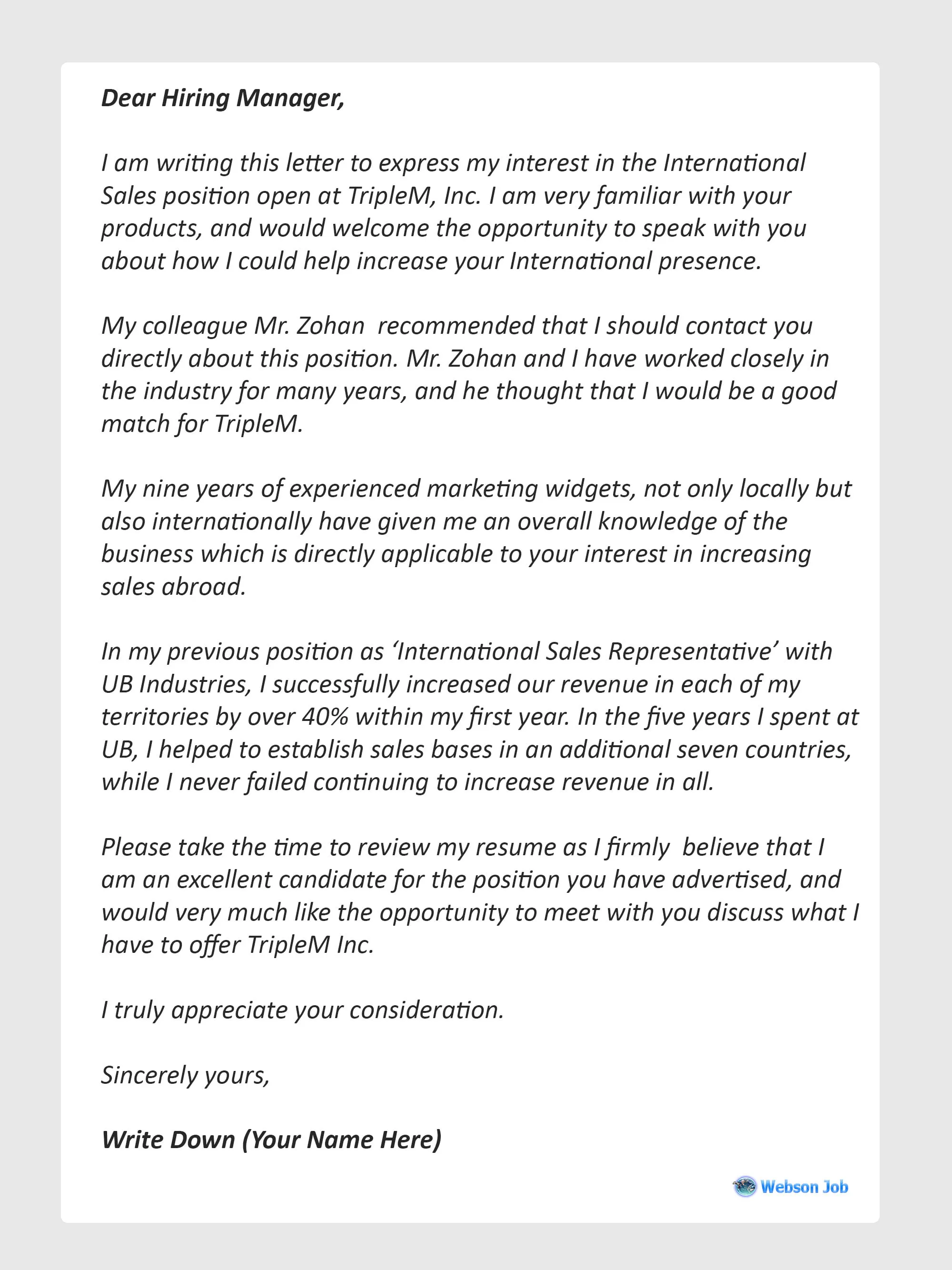
Reviewing cover letter examples can provide valuable insights into how to structure and write your own letter. You can find numerous examples online, but remember to tailor them to your specific situation and the jobs you’re applying for. Pay attention to how the examples highlight skills, experiences, and enthusiasm. Analyze how they address the hiring manager, craft compelling opening and closing paragraphs, and incorporate relevant keywords. Use these examples as inspiration, but always ensure that your cover letter is original and reflects your unique qualifications and personality. Adapt the examples to fit your own circumstances, rather than simply copying them.
Example Cover Letter for Entry-Level Positions

For entry-level positions, your cover letter should emphasize your education, any relevant coursework, internships, volunteer experiences, and transferable skills, such as communication, teamwork, and problem-solving. Highlight any projects or accomplishments from your academic or extracurricular activities that demonstrate your abilities. Clearly state your career goals and why you are interested in the specific role and company. Show that you have the skills and enthusiasm to succeed in the position, even without extensive professional experience. Your cover letter for an entry-level position is an opportunity to demonstrate your potential and your eagerness to learn and contribute.
Example Cover Letter for Experienced Professionals
Experienced professionals should use their cover letters to showcase their accomplishments and quantify their achievements. Focus on demonstrating how your skills and experiences have led to tangible results in previous roles. Provide specific examples of your successes, such as increased sales, improved efficiency, or cost savings. Highlight your leadership skills and any management experience you have. Tailor your letter to the specific job requirements, and emphasize the value you can bring to the company. The cover letter for experienced professionals is your chance to demonstrate the impact you can make and to showcase your proven track record of success.
Example Cover Letter for Career Change
If you’re making a career change, your cover letter should explain the rationale behind your transition and highlight the transferable skills you possess. Identify the skills and experiences from your previous roles that are relevant to the new position. Explain how your past experiences have prepared you for this new opportunity, and demonstrate your willingness to learn and adapt. Show your enthusiasm for the new field and your commitment to making a successful transition. A career change cover letter should focus on aligning your existing skills with the requirements of the new role. Be honest and transparent about your career shift, and emphasize your eagerness to contribute in a new capacity.
Beyond the Basics Additional Tips

Beyond the basic components of a cover letter, there are additional tips to help you create a truly exceptional document. Always research the company and the role thoroughly before you start writing. Customize your letter to fit the specific requirements and demonstrate that you understand the company’s mission and values. Use strong action verbs to describe your accomplishments and quantify your achievements whenever possible. Proofread your letter carefully for any errors. Ask a friend or career counselor to review your letter for feedback. By taking these extra steps, you can create a cover letter that truly shines.
Showcasing Achievements Quantify Your Accomplishments
One of the most effective ways to make your cover letter stand out is by showcasing your achievements. Instead of simply listing your responsibilities, provide specific examples of your successes and quantify your results whenever possible. For example, instead of saying “Managed social media campaigns,” you could say “Managed social media campaigns that increased follower engagement by 30% and website traffic by 20%.” Use numbers, percentages, and metrics to demonstrate the impact of your work. Highlighting your achievements shows the hiring manager the value you can bring to the company and makes your cover letter more persuasive.
Highlighting Soft Skills
While hard skills are important, don’t forget to highlight your soft skills in your cover letter. Soft skills are the interpersonal and communication skills that are essential for success in any role. These include teamwork, communication, problem-solving, leadership, and adaptability. Provide examples of how you’ve demonstrated these skills in your past experiences. For example, describe a situation where you successfully resolved a conflict or collaborated with a team to achieve a common goal. Highlighting your soft skills shows the hiring manager that you are a well-rounded candidate who can effectively work with others and contribute to a positive work environment.
The Importance of Tone and Voice
The tone and voice of your cover letter can significantly impact how the hiring manager perceives you. Use a professional but enthusiastic tone. Convey your personality and passion for the job and the company. Make sure your tone is consistent throughout the letter and that it matches the company’s culture. Avoid being overly formal or sounding generic. Use clear and concise language and write in a style that is authentic to you. The tone and voice of your cover letter should reflect your personality and demonstrate your enthusiasm for the opportunity.