Understanding Cover Letter Length
The cover letter is your first chance to make a positive impression on a potential employer, and its length is an essential part of that impression. A well-crafted cover letter provides a glimpse into your personality, skills, and experiences, demonstrating why you are the ideal candidate for the role. Understanding the appropriate length ensures you provide enough information to capture their attention without overwhelming them. The goal is to strike a balance between being concise and providing enough detail to make a compelling case for yourself. Too short, and you risk appearing unenthusiastic or underqualified; too long, and you risk losing the reader’s interest. Therefore, the ideal length is a strategic decision that significantly impacts the overall effectiveness of your application.
Why Cover Letter Length Matters
The length of your cover letter is not just about aesthetics it significantly impacts how a recruiter perceives you and your application. Recruiters and hiring managers are often overwhelmed with applications, so they have limited time to dedicate to each one. A cover letter that is too long risks being skimmed over or completely disregarded. On the other hand, a cover letter that is too short may fail to convey your qualifications, enthusiasm, and the value you bring to the company. By adhering to the recommended length, you demonstrate your respect for their time and your ability to communicate effectively. This shows professionalism and an understanding of industry norms, thereby increasing your chances of securing an interview. Properly managing the length can help you stand out from the competition, making your application more memorable.
Ideal Cover Letter Length for Maximum Impact

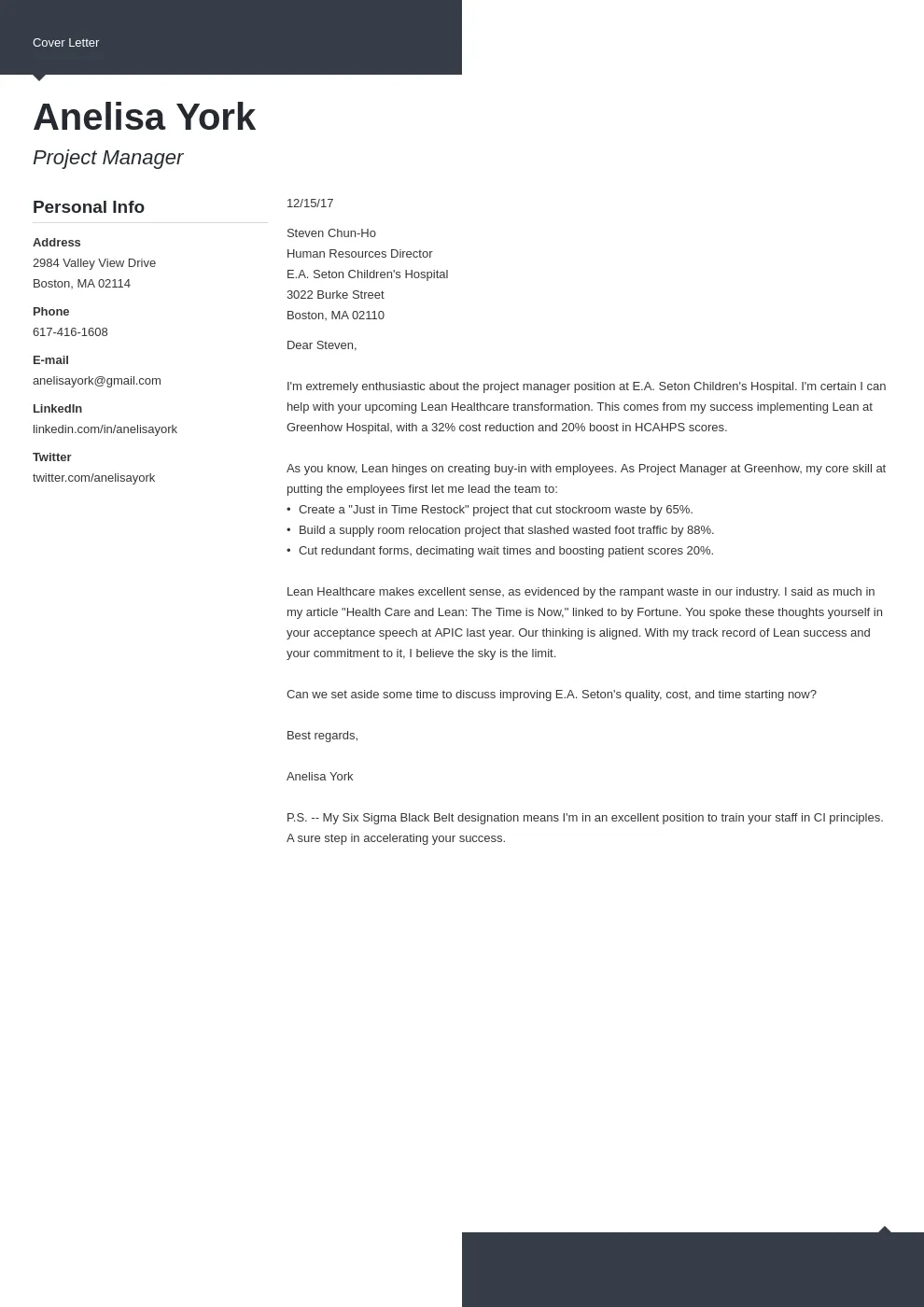
The generally accepted ideal length for a cover letter is one page. This typically translates to around 250-400 words, depending on the font size, margins, and spacing. Aiming for this range allows you to provide enough detail to highlight your key skills and experiences while keeping it concise. It’s crucial to avoid exceeding one page, as this can be perceived as a lack of respect for the reader’s time. Ensure that the layout is clean and easy to read. Use clear, concise language, and break up large blocks of text with bullet points or short paragraphs. Always proofread your cover letter to eliminate any grammatical errors or typos. This demonstrates your attention to detail and enhances the overall professional impression you make.
Factors Influencing Cover Letter Length
While the one-page rule is a good guideline, several factors can influence the ideal length. The specific job requirements can affect your cover letter. If the job description asks for specific examples or requires you to address certain points, your letter may need to be slightly longer. Your experience level is another factor. A recent graduate or someone with limited experience might write a shorter cover letter to focus on key skills and achievements. The industry also has an impact; some industries or companies may prefer more detailed letters than others. The tone and style of your cover letter, as well as the amount of information needed to demonstrate your fit for the role, are additional influential aspects. Always tailor your cover letter to each specific job application, ensuring that the length appropriately reflects these considerations.
Common Cover Letter Length Mistakes to Avoid
Several common mistakes can undermine the effectiveness of your cover letter, and length plays a significant role. One of the biggest is writing a cover letter that is too long, exceeding one page without a compelling reason. This can lead to the recruiter losing interest or simply not reading the entire document. Another mistake is writing a cover letter that is too short, which might fail to adequately convey your qualifications and enthusiasm. Using generic language and repeating information from your resume is a crucial misstep, as is providing irrelevant information that doesn’t relate to the job. Failure to proofread your cover letter for grammatical errors or typos can also give the impression of carelessness and unprofessionalism. Being aware of these pitfalls and actively avoiding them will greatly enhance your chances of making a positive impression.
Cover Letter Length for Different Situations

The appropriate length of a cover letter can vary depending on the situation. When applying for a specific job, the cover letter should be tailored to the role and the company, usually adhering to the one-page rule. If you are submitting a cover letter for a networking opportunity, the focus should be to introduce yourself and explain your interests, and it should be brief. For an unsolicited cover letter, where you are approaching a company without a specific job posting, you can still stick to the one-page format and highlight why you want to work for that organization. The key is to always adapt the length and content of your cover letter to match the context, making it relevant and impactful. Always prioritize clarity and relevance to ensure that your cover letter resonates with the reader and effectively communicates your value.