What is a Cover Letter and Why You Need One
A cover letter is a crucial document that accompanies your resume when applying for a job. It serves as your introduction to the hiring manager, providing an opportunity to highlight your qualifications, express your interest in the position, and showcase your personality. Unlike your resume, which offers a snapshot of your experience and skills, the cover letter allows you to tell a story, connecting your background to the specific requirements of the job and the needs of the company. In a competitive job market, a well-crafted cover letter can significantly increase your chances of landing an interview. It demonstrates your communication skills, attention to detail, and genuine interest in the role.
Essential Cover Letter Components
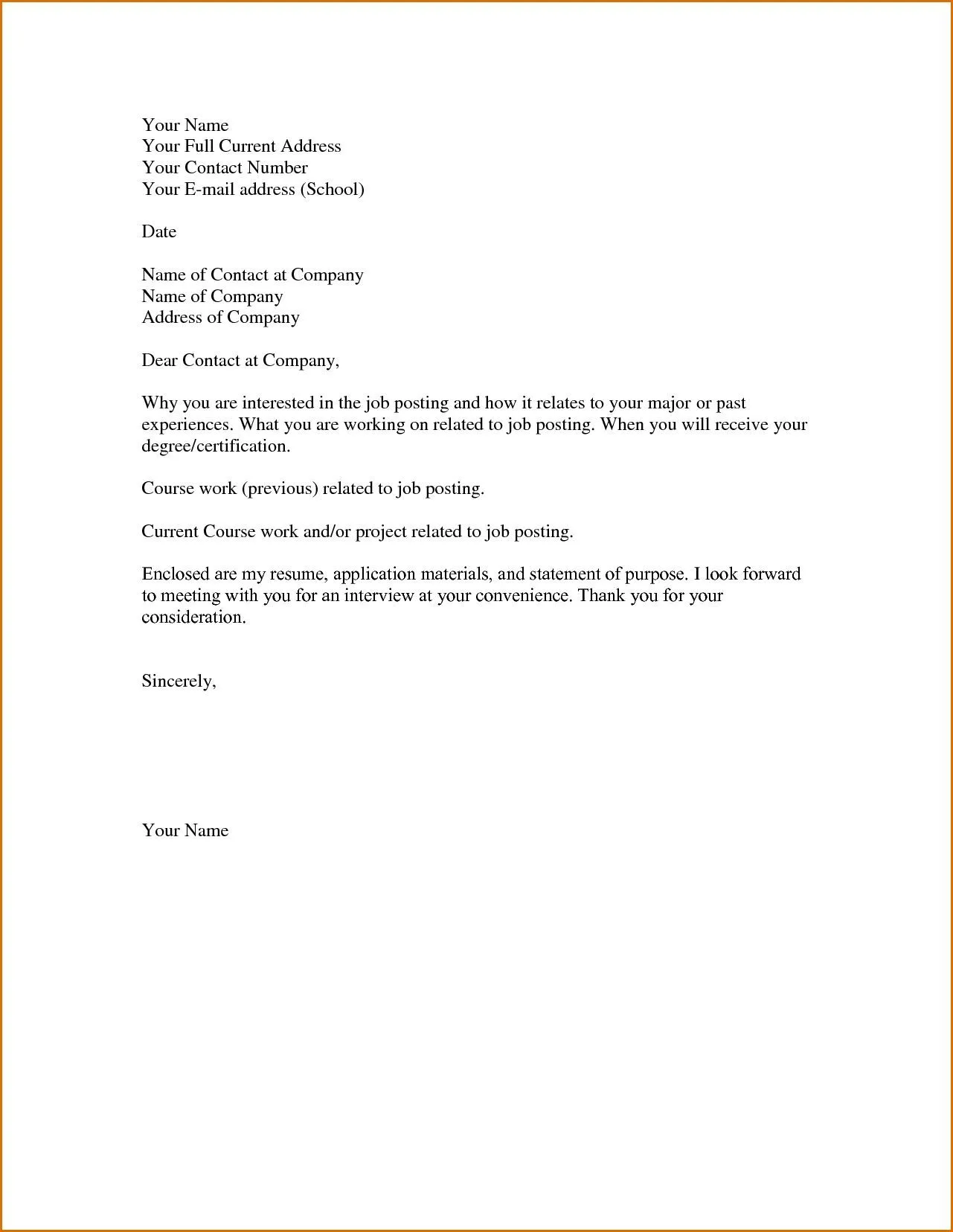
A successful cover letter comprises several key elements. Each section plays a vital role in presenting you as a strong candidate. Including all components increases your chances to impress the hiring manager. Careful attention to the structure and content ensures your application stands out.
Your Contact Information

At the top of your cover letter, include your full name, address, phone number, and email address. Ensure your email address is professional. Using a simple, clear format makes it easy for the hiring manager to contact you.
The Recipient’s Contact Information
Direct your letter to the hiring manager or the specific person listed in the job description. If you cannot find a name, use a professional title such as “Hiring Manager.” Include the company name and address for clarity.
The Salutation
Address the recipient by name using “Dear Mr./Ms./Mx. Last Name.” If you do not know the name, use “Dear Hiring Manager.” Avoid generic greetings like “To Whom It May Concern,” as they often seem impersonal.
The Opening Paragraph

Start with a strong opening that grabs the reader’s attention. State the position you are applying for and where you found the job listing. Briefly mention why you are interested in the role and the company. Show your enthusiasm and let the employer understand you’re a perfect match for the company.
Highlighting Your Skills and Experience
This is the heart of your cover letter. Explain how your skills and experience align with the job requirements. Focus on the key qualifications mentioned in the job description and provide specific examples to support your claims. Tailoring this section to each application is very important.
Tailoring Your Cover Letter to the Job Description
Carefully read the job description and identify the most important skills and qualifications. Use the same keywords and phrases from the job description in your cover letter, when appropriate. Customize your letter to demonstrate how your experience directly addresses the employer’s needs and expectations.
Showcasing Your Achievements

Instead of just listing your responsibilities, highlight your accomplishments. Use the STAR method (Situation, Task, Action, Result) to describe how you handled a situation, what your role was, the actions you took, and the positive results you achieved. This makes your contributions more tangible and impactful.
Quantifying Your Accomplishments
Whenever possible, quantify your achievements with numbers and data. For example, instead of saying “Improved customer satisfaction,” say “Improved customer satisfaction by 15% through implementing a new feedback system.” Quantifiable results are much more impressive and demonstrate your ability to drive results.
Expressing Your Enthusiasm
Throughout your cover letter, show your enthusiasm for the position and the company. Explain why you are excited about the opportunity and what you admire about the organization. This demonstrates your genuine interest and makes you a more appealing candidate.
The Closing Paragraph

In your closing paragraph, reiterate your interest in the role and thank the hiring manager for their time and consideration. Restate your key qualifications and express your confidence in your ability to contribute to the company’s success.
The Call to Action
End your cover letter with a clear call to action. Express your willingness to discuss your qualifications further and provide your contact information. You can also mention your availability for an interview, making it easier for the hiring manager to take the next step.
Cover Letter Formatting and Design
The format of your cover letter is as important as its content. A well-formatted letter is easy to read and leaves a positive impression. Use a professional font, appropriate margins, and clear spacing to create a clean and organized document.
Font Selection and Readability

Choose a professional and readable font such as Times New Roman, Arial, or Calibri. Use a font size between 10 and 12 points. Ensure the font is consistent throughout the document. Avoid using overly fancy fonts that can distract the reader. Keep the layout clean and easy to read.
File Format and Submission
Save your cover letter as a PDF file to preserve the formatting and ensure it looks the same on any computer. Name the file with your name and the job title (e.g., “JohnDoe_CoverLetter_MarketingManager.pdf”). Always follow the application instructions for submitting your cover letter.
Proofreading and Editing Your Cover Letter
Before submitting your cover letter, proofread it carefully. Check for any grammatical errors, typos, or formatting inconsistencies. It’s helpful to have a friend or family member review your letter as a fresh pair of eyes can often catch mistakes you might miss. Attention to detail shows your professionalism.
Common Cover Letter Mistakes to Avoid

Avoiding common mistakes is essential to make a positive impression. Be mindful of your language, formatting, and content to ensure your cover letter effectively presents your qualifications and enthusiasm. Be certain to avoid these common pitfalls.
Grammatical Errors and Typos
Typos and grammatical errors can damage your credibility. Always proofread your cover letter multiple times. Use spell-check and grammar-check tools. A well-written cover letter reflects your attention to detail.
Generic and Vague Language
Avoid using generic language that could apply to any job. Be specific and provide concrete examples that demonstrate your skills and achievements. Tailor your letter to the specific requirements of the job and company.
Length and Word Count

Keep your cover letter concise and to the point. Aim for a length of one page. Avoid rambling or including unnecessary information. Hiring managers have limited time, so make your letter easy to read and focused.
Examples of Effective Cover Letters
Reviewing examples can help you understand how to structure and write a compelling cover letter. Use these examples as inspiration, but always personalize your letter to fit your own qualifications and the specific job you are applying for. Consider various types of examples that fit your needs.
Cover Letter Example
Here is a general cover letter format to get you started. Remember, each cover letter must be adjusted for your situation: [Your Name][Your Address][Your Phone Number][Your Email] [Date] [Hiring Manager Name] (If you know it) [Company Name][Company Address] Dear [Mr./Ms./Mx. Last Name], I am writing to express my keen interest in the [Job Title] position at [Company Name], as advertised on [Platform]. With my [Number] years of experience in [Industry/Field] and my strong skills in [Skill 1] and [Skill 2], I am confident I can make significant contributions to your team. In my previous role at [Previous Company], I was responsible for [Key Responsibility 1] and [Key Responsibility 2]. I successfully [Achievement 1], resulting in [Positive Outcome], and [Achievement 2]. I am particularly drawn to [Company Name] because of [Specific Reason]. I am excited about the opportunity to apply my skills to help [Company] achieve its goals. Thank you for considering my application. I have attached my resume for your review and welcome the chance to discuss my qualifications further in an interview. Sincerely, [Your Name]
Adapting Cover Letter Examples to Your Situation
While examples provide a helpful starting point, it’s crucial to adapt them to your unique circumstances. Tailor the content to match the specific job description and company. Highlight your most relevant skills and achievements. Replace generic phrases with your own experiences and accomplishments. Customizing the examples makes your cover letter more authentic and effective.
Cover Letter for Different Job Types
The approach to writing a cover letter may vary depending on the type of job you’re applying for. Consider the specific requirements and expectations of each role to tailor your letter effectively. Adjusting the focus and tone of your letter enhances its impact and relevance.
Cover Letter for Entry-Level Positions
When applying for entry-level positions, focus on your education, relevant coursework, internships, and any volunteer experience. Emphasize your skills and willingness to learn. Highlight any projects or extracurricular activities that demonstrate your initiative and abilities. Show your enthusiasm for the field and your eagerness to gain experience.
Cover Letter for Mid-Career Professionals
For mid-career professionals, emphasize your work experience and accomplishments. Quantify your achievements with data and metrics whenever possible. Highlight your leadership skills, project management experience, and any significant contributions you’ve made in previous roles. Demonstrate your ability to take on new challenges and contribute to the success of the company.
Cover Letter for Career Changers
If you are changing careers, focus on the transferable skills you possess. Explain how your previous experience relates to the new role. Highlight your adaptability, willingness to learn, and any steps you’ve taken to acquire new skills, such as completing courses or certifications. Show how your diverse background can bring a unique perspective to the position.