What Is a Cover Letter and Why Is It Important?
A cover letter is your first introduction to a potential employer, a crucial tool in your job-seeking arsenal. It’s a carefully crafted document that accompanies your resume, providing a space to elaborate on your qualifications, express your enthusiasm for the role, and demonstrate why you’re the perfect fit for the company. Unlike a resume, which presents a summary of your skills and experience, a cover letter allows you to showcase your personality, writing skills, and genuine interest in the position. This document gives you a chance to go beyond the basics, highlighting the specific skills and experiences that align with the job requirements. A well-written cover letter can significantly increase your chances of landing an interview, setting you apart from other applicants who might rely solely on their resumes. This document serves as your personal sales pitch, and it’s vital to make it compelling and tailored to each specific job.
Key Elements of a Powerful Cover Letter
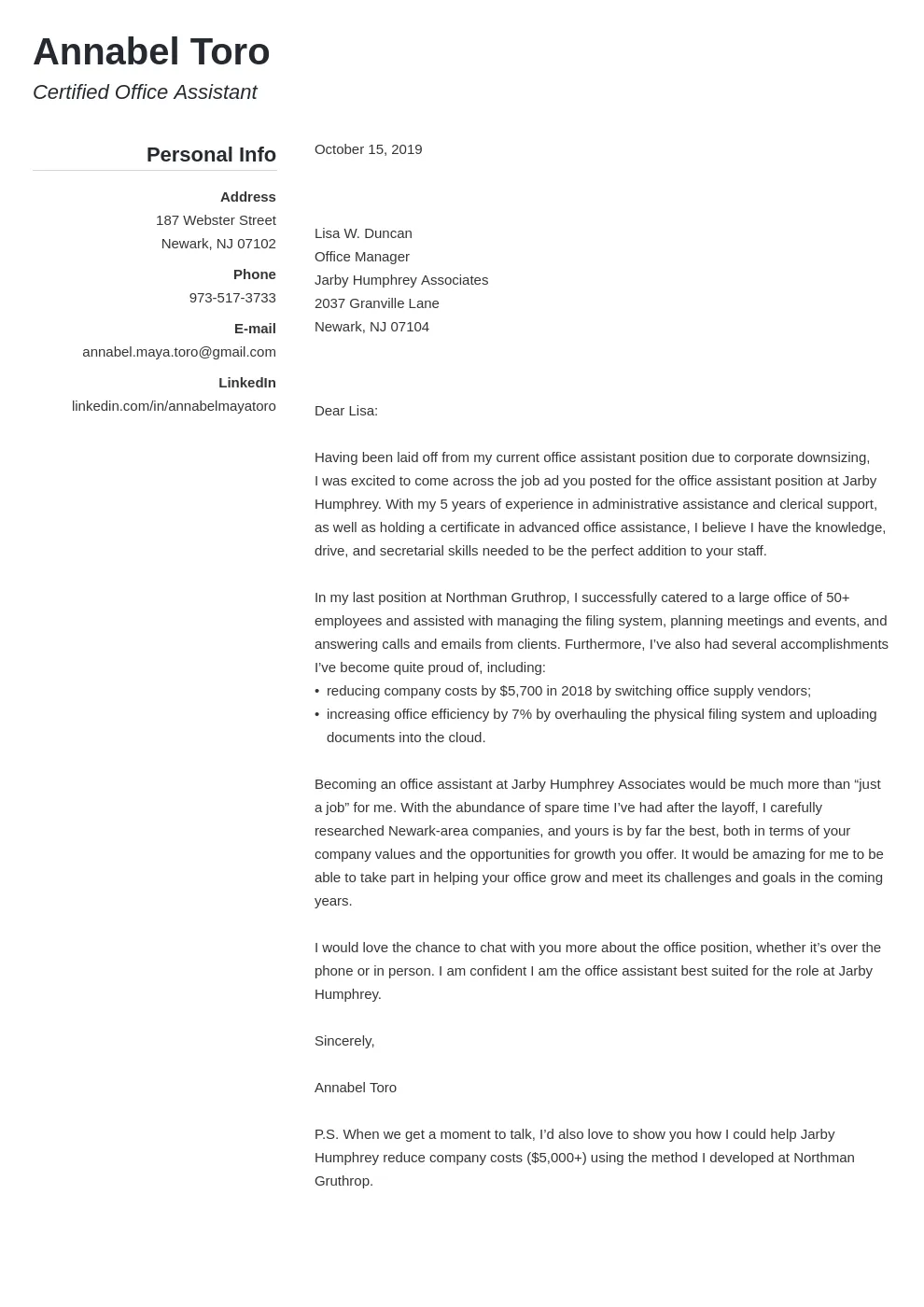
To grab the hiring manager’s attention, a cover letter must include several key elements. Start with a professional header that includes your contact information and the date. Next, address the hiring manager by name if possible – this shows you’ve done your research and are serious about the position. The opening paragraph is your hook; make it engaging and clearly state the position you’re applying for and where you saw the job posting. In the body of your letter, highlight your relevant skills and experience, using specific examples to demonstrate how you’ve achieved results in the past. Connect your abilities to the job’s requirements and explain why you are the best candidate. Close the letter by expressing your enthusiasm for the opportunity and stating your availability for an interview. A strong closing should also thank the reader for their time and consideration.
Formatting Your Cover Letter to Attract Attention

The visual presentation of your cover letter can significantly impact how it’s received. Choose a professional and readable font, such as Times New Roman, Arial, or Calibri, with a font size between 10 and 12 points. Use clear, concise language and avoid long, dense paragraphs. Break up your text with bullet points or short, impactful sentences to make it easy to scan. Maintain a consistent format throughout the document, including the spacing between paragraphs and the alignment of text. Use a formal business letter format with a header that includes your contact information, the date, and the recipient’s details. Ensure your letter has a clean and organized layout, with sufficient white space to prevent it from appearing cluttered. Keep the cover letter to one page; brevity is key as hiring managers often have to review many applications.
Personalizing Your Cover Letter for Each Application
Generic cover letters rarely grab attention. Personalization is crucial. Before writing, carefully review the job description and research the company. Tailor your letter to the specific requirements and culture of the organization. Highlight the skills and experiences most relevant to the role, and explain how you can contribute to the company’s goals. Show, don’t just tell, by providing specific examples of your accomplishments. Use keywords from the job description throughout your letter to demonstrate your understanding of the role and the company’s needs. Address the hiring manager by name, if possible, to create a more personal connection. Demonstrate your knowledge of the company, showing you’ve taken the time to learn about their mission and values. Mention specific projects or initiatives you’re interested in and explain how your skills align with them.
Showcasing Your Skills and Experience
Your cover letter should clearly showcase your skills and experience in a way that aligns with the job requirements. Start by identifying the key skills and qualifications mentioned in the job description. Then, provide specific examples from your past experiences where you’ve utilized those skills to achieve positive results. Quantify your achievements whenever possible. Use numbers and data to demonstrate the impact of your work. For example, instead of saying, “Managed social media,” state, “Increased social media engagement by 30% in six months.” Structure your content to match the job description’s order, addressing each requirement one by one. Highlight your relevant education, certifications, and any other credentials that make you a strong candidate. Tailor your language to mirror the company’s tone and style, making sure your letter reflects the company’s overall brand.
Highlighting Your Achievements

Instead of simply listing your responsibilities, focus on highlighting your achievements. Provide specific examples that demonstrate your impact and the value you bring to an organization. Use the STAR method (Situation, Task, Action, Result) to structure your examples. Briefly describe the situation, explain the task you were assigned, detail the actions you took, and clearly state the results you achieved. Quantify your accomplishments with data and metrics. For instance, if you improved a process, mention the percentage of improvement. Use action verbs to start your sentences and clearly describe your role in achieving the results. Focus on showcasing the positive outcomes of your work, emphasizing how your achievements align with the company’s goals. Demonstrate the value you brought to previous employers and how you can replicate this success in the new role.
Using Action Verbs to Make an Impact
Action verbs are essential for making your cover letter dynamic and engaging. They help to paint a vivid picture of your accomplishments and capabilities. Start each bullet point or sentence describing your accomplishments with a strong action verb. Examples include “managed,” “developed,” “implemented,” “led,” “achieved,” “increased,” “improved,” “created,” and “optimized.” Using action verbs makes your descriptions more compelling and demonstrates your proactivity and results-oriented approach. Choose verbs that accurately reflect your actions and the specific skills required for the job. Avoid using passive voice; instead, write in an active voice to make your statements more direct and impactful. This approach helps to make your cover letter more readable and highlights your contributions and successes.
Proofreading and Editing Your Cover Letter
Before submitting your cover letter, it’s essential to proofread and edit it carefully. Errors in grammar, spelling, and punctuation can create a negative impression and undermine your credibility. Read through your letter multiple times, looking for any mistakes. Consider printing it out to catch errors you might miss on a screen. Ask a friend, family member, or career counselor to review your cover letter for clarity and accuracy. Pay close attention to the tone and style of your writing, ensuring it aligns with the job and company culture. Verify that all contact information and details are accurate. Remove any unnecessary jargon or overly complex language. Proofreading is the final step in the cover letter writing process, so take your time and ensure your document is flawless. A polished cover letter shows attention to detail and professionalism, both of which are highly valued by potential employers.