5 Secrets to a Winning Cover Letter
Crafting a compelling cover letter can significantly increase your chances of landing an interview. Many job seekers underestimate the importance of this document, treating it as a mere formality. However, a well-written cover letter is your opportunity to make a strong first impression, showcase your personality, and demonstrate why you’re the perfect fit for the role. Discover the secrets to creating a cover letter that captures attention and gets you noticed by hiring managers. This guide will explore the essential elements that transform a generic letter into a powerful tool in your job search arsenal.
Understanding the Purpose of a Cover Letter
The primary goal of a cover letter is to introduce yourself to a potential employer and highlight your relevant skills and experiences. It’s not just a summary of your resume; it’s a chance to tell your story and explain why you’re interested in the specific position and the company. A cover letter should provide context, demonstrating how your qualifications align with the job requirements and the company’s values. By clearly articulating your understanding of the role and expressing your enthusiasm, you can make a memorable impression that sets you apart from other applicants.
What a Cover Letter Should Achieve

A successful cover letter should achieve several key objectives. First, it needs to capture the reader’s attention immediately. Second, it should clearly state the position you’re applying for and where you found the job posting. Third, it should demonstrate your understanding of the company’s needs and how your skills align. Moreover, the cover letter should highlight your most relevant accomplishments and quantify your achievements whenever possible. Finally, it should express your enthusiasm for the opportunity and encourage the reader to review your resume and contact you for an interview. Consider using cover letter examples to boost your writing skills.
Secret 1 Tailor Your Cover Letter
One of the biggest mistakes job seekers make is sending generic cover letters. Tailoring your cover letter to each specific job application is crucial for making a positive impression. Generic letters often lack the specificity and personalization that demonstrate genuine interest and understanding of the role. Take the time to research the company and the position thoroughly, and then customize your letter to reflect your understanding. This will involve highlighting the skills and experiences most relevant to the job requirements and explaining how you can contribute to the company’s goals.
Researching the Company
Before you start writing, research the company’s mission, values, and recent projects. Explore their website, social media profiles, and any news articles or press releases. Understanding the company’s culture and priorities will help you tailor your cover letter to address their specific needs. Identify the key skills and qualities they are seeking in a candidate and align your experiences with their requirements. This demonstrates that you’ve taken the initiative to learn about the organization and that you are genuinely interested in the opportunity.
Highlighting Relevant Skills

Carefully review the job description and identify the key skills and qualifications the employer is looking for. Then, review your own experiences and identify the instances where you’ve demonstrated those skills. Provide specific examples of how you’ve used those skills to achieve positive results in the past. Quantify your achievements whenever possible, using numbers and data to illustrate your impact. This will provide concrete evidence of your abilities and make your cover letter more compelling.
Secret 2 Show, Don’t Just Tell
Instead of simply stating that you have certain skills, provide concrete examples that demonstrate your abilities. This approach makes your cover letter more engaging and memorable. Abstract claims about your qualifications are much less impactful than specific examples of how you’ve used those skills to achieve results. The key is to use the STAR method (Situation, Task, Action, Result) to showcase your accomplishments. Briefly describe the situation, the task you were assigned, the actions you took, and the results you achieved. This will provide compelling evidence of your capabilities.
Using Action Verbs
Use strong action verbs to describe your accomplishments and responsibilities. Action verbs create a sense of dynamism and highlight your contributions. Instead of saying “Responsible for project management,” use action verbs like “Managed,” “Oversaw,” or “Led.” This makes your cover letter more engaging and gives the impression that you are an active and effective professional. Incorporate action verbs throughout your cover letter to showcase your skills and make a positive impact.
Providing Specific Examples

Provide specific examples of your accomplishments and how you’ve used your skills to achieve positive outcomes. When describing your experience, move beyond general descriptions and provide context. For instance, instead of saying “Improved customer satisfaction,” provide a detailed account such as, “Implemented a new customer service protocol that resulted in a 15% increase in customer satisfaction scores within six months.” The use of specific examples makes it easier for the hiring manager to understand your qualifications and how you can contribute to the company.
Secret 3 Focus on the Employer
While it’s important to highlight your own skills and experiences, the primary focus of your cover letter should be on how you can benefit the employer. Demonstrate that you understand their needs and explain how your skills and experiences align with their requirements. Show that you’ve researched the company and that you’re genuinely interested in the opportunity. By shifting the focus from yourself to the employer, you can make a more compelling case for why you’re the ideal candidate.
Addressing the Employer’s Needs
Carefully analyze the job description and identify the employer’s needs and requirements. Then, tailor your cover letter to demonstrate how your skills and experiences can address those needs. Provide concrete examples of how you’ve solved problems or achieved results that align with the company’s objectives. Highlight your understanding of the company’s goals and how you can contribute to their success. This demonstrates that you’re not just looking for a job but that you’re interested in making a meaningful contribution to the organization.
Demonstrating Company Alignment

Show that you understand the company’s values, mission, and culture. Research the company’s website, social media profiles, and any recent news or press releases. Use your cover letter to explain how your skills and experiences align with the company’s values. Demonstrate that you are a good fit for the company culture. This could involve mentioning the company’s commitment to innovation, teamwork, or customer service. By showing that you’re a good cultural fit, you can increase your chances of being selected for an interview.
Secret 4 The Power of Formatting
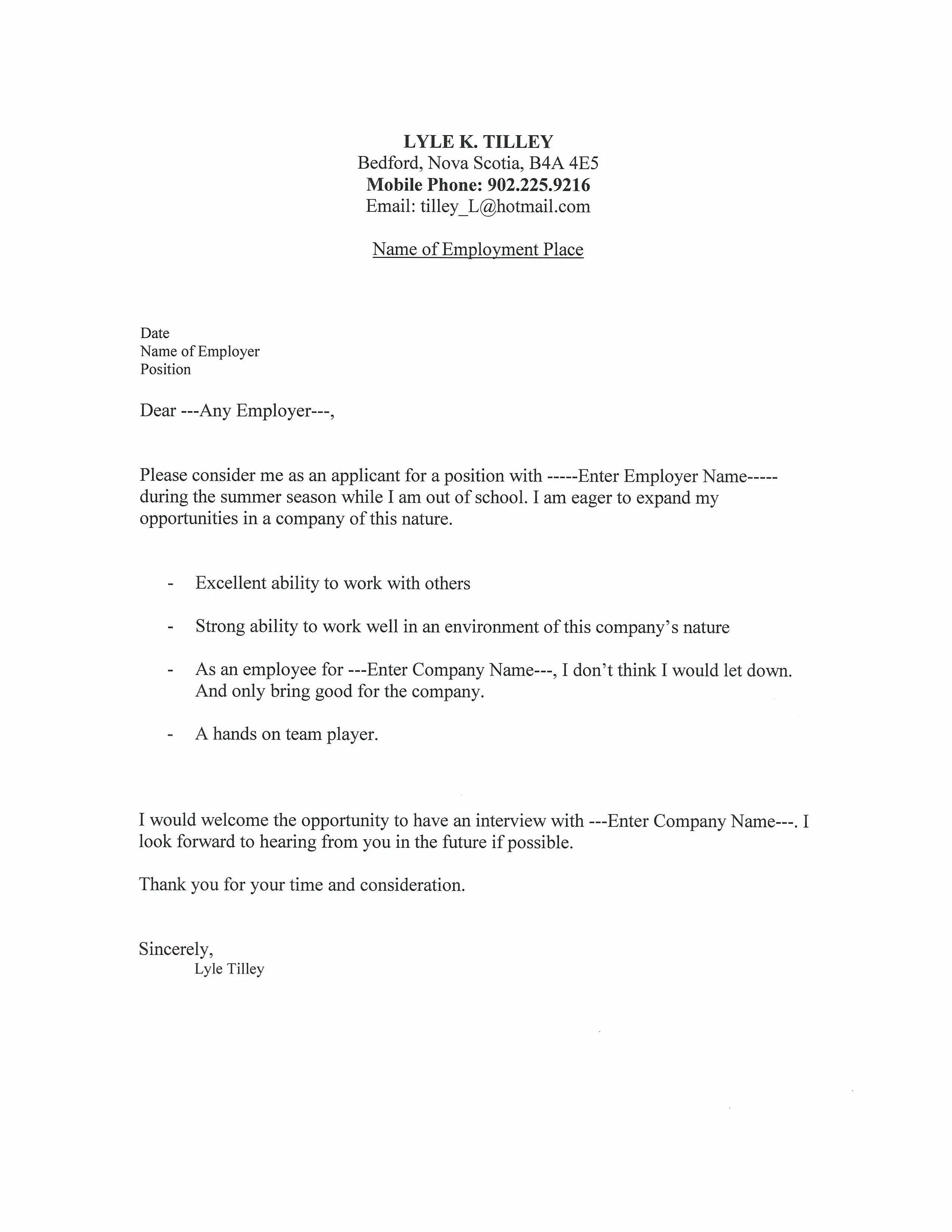
The formatting of your cover letter is just as important as the content. Poorly formatted letters can be difficult to read and make a negative impression. Ensure your cover letter is well-structured, easy to read, and visually appealing. Choose a professional font, use appropriate spacing, and break up the text into easily digestible paragraphs. A well-formatted letter demonstrates attention to detail and professionalism, which are essential qualities for any job applicant.
Formatting Tips for Readability
Use a clean, professional font like Arial, Times New Roman, or Calibri, and maintain a consistent font size. Use single spacing within paragraphs and double spacing between paragraphs. Break up the text into short, easily digestible paragraphs. Use bullet points to highlight key skills and accomplishments. Ensure your cover letter is well-organized with clear headings and subheadings. Pay attention to the overall appearance of your cover letter and make sure it’s visually appealing.
Using a Professional Tone

Maintain a professional tone throughout your cover letter. Use formal language and avoid slang, jargon, or overly casual expressions. Address the hiring manager appropriately using their name, if known. Show enthusiasm without being overly effusive or informal. Proofread your cover letter carefully to eliminate any grammatical errors or typos. A professional tone helps establish credibility and leaves a positive impression on the reader. Be respectful and courteous throughout the document.
Secret 5 Proofread and Perfect
Before submitting your cover letter, carefully proofread it for any errors. Grammatical errors, typos, and spelling mistakes can create a negative impression and undermine your credibility. Proofreading is one of the most critical steps in the cover letter writing process. Take the time to review your letter multiple times. Have someone else proofread it for you. You can use grammar checking tools, but don’t rely on them completely. A perfectly polished cover letter demonstrates attention to detail and professionalism.
Checking for Grammatical Errors
Carefully review your cover letter for any grammatical errors. Check for subject-verb agreement, correct tense usage, and proper punctuation. Make sure that your sentences are clear, concise, and easy to understand. Use a grammar checking tool like Grammarly. However, remember that these tools are not always perfect. The best approach is to carefully review your letter yourself and then have someone else proofread it. A cover letter free of grammatical errors demonstrates your attention to detail and professionalism.
Ensuring Clarity and Conciseness

Ensure that your cover letter is clear, concise, and easy to understand. Avoid using overly complex language or jargon. Keep your sentences short and to the point. Each paragraph should have a clear purpose. Review your cover letter for any unnecessary words or phrases. Make sure the information is relevant to the job and the company. A concise cover letter is easier to read and demonstrates respect for the hiring manager’s time. A well-written, streamlined cover letter enhances your overall impact.
Conclusion
By following these five secrets, you can create a winning cover letter that grabs attention and gets you noticed. Remember to tailor your letter to each job application, showcase your accomplishments with specific examples, focus on the employer’s needs, use proper formatting, and proofread carefully. A well-crafted cover letter can significantly increase your chances of landing an interview and ultimately getting your dream job. Invest time in your cover letter to make a strong first impression. With these tips, you are well on your way to job search success. Good luck!