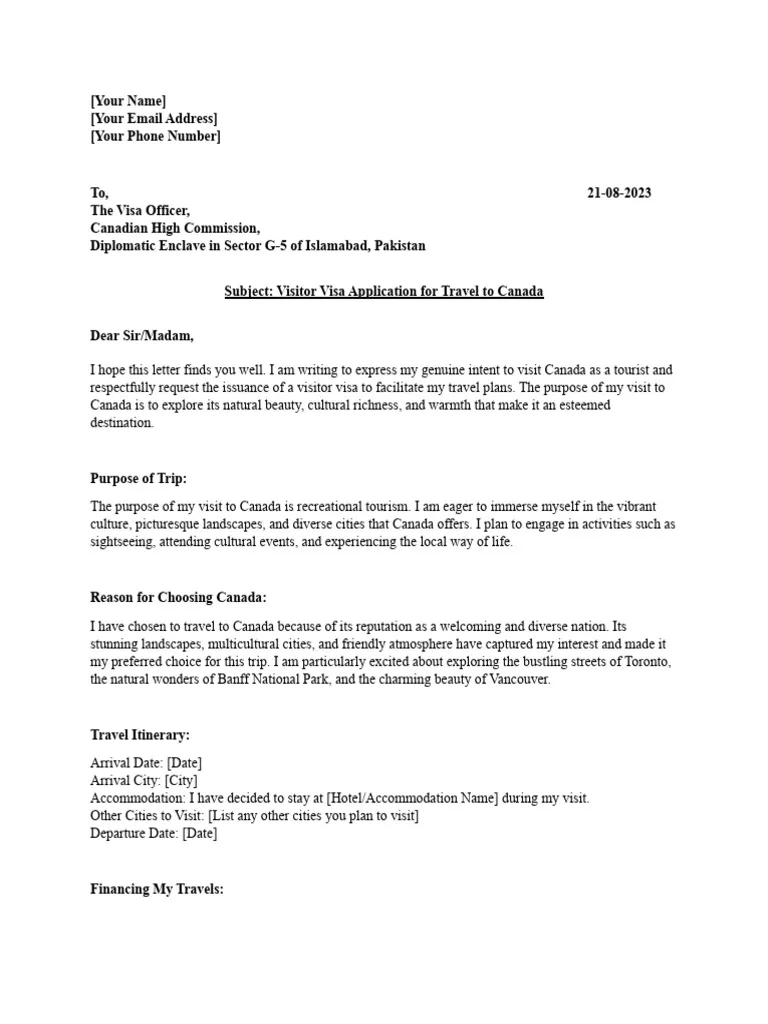
Crafting a compelling cover letter is crucial for landing your dream job as a tourist guide. Your cover letter is your first opportunity to impress potential employers and showcase why you are the perfect fit for their team. This guide provides the top 5 essential tips to help you write a cover letter that stands out, captures attention, and ultimately gets you an interview.
Essential Cover Letter Elements
A well-structured cover letter includes several key components that work together to create a persuasive narrative. Omitting any of these elements can significantly weaken your application. Understanding and implementing these elements are vital for a successful cover letter that grabs the attention of the hiring manager and makes them want to learn more about you.
Highlight Your Passion and Enthusiasm
Tourist guides need to be passionate about their work. Your cover letter should reflect this enthusiasm. Begin by expressing your genuine interest in the role and the company. Share what excites you about the opportunity and why you are drawn to the field of tourism. Personal anecdotes about your travel experiences or your love for history and culture can make your letter more engaging and memorable. Let your personality shine through.
Demonstrate Relevant Skills and Experience

Clearly outline your skills and experiences relevant to the tourist guide position. Mention your communication skills, including the ability to speak multiple languages if applicable. Highlight any previous experience in customer service, public speaking, or tour guiding. Provide concrete examples of how you have successfully used these skills in the past. Quantify your achievements whenever possible, using numbers and metrics to demonstrate your impact. For instance, mention the number of tourists you’ve guided or any positive feedback you received.
Showcase Your Knowledge of the Area
Tourist guides must possess in-depth knowledge of the area’s history, culture, and attractions. Your cover letter should demonstrate your familiarity with the location. Mention specific landmarks, historical events, or cultural aspects that you are knowledgeable about. Show that you have researched the company and understand its tours and offerings. This shows the employer that you have the foundational knowledge needed to excel in the role and shows your dedication.
Tailor Your Letter to the Specific Job
Generic cover letters are often easily dismissed. Always customize your cover letter for each job application. Carefully read the job description and identify the key requirements and expectations. Then, tailor your letter to address those specific points. Highlight the skills and experiences that align with the job requirements and explain why you are a perfect match for the role. This level of personalization shows your genuine interest in the position and your commitment to the company.
Proofread and Edit Carefully

Typos and grammatical errors can make your cover letter look unprofessional. Proofread your letter multiple times, checking for any errors in grammar, spelling, and punctuation. Use a grammar checker, but don’t rely on it entirely. Read your letter aloud to catch any awkward phrasing or sentences that don’t make sense. Ask a friend or family member to review your letter as well to get a fresh perspective. A polished and error-free cover letter demonstrates your attention to detail and professionalism.
Cover Letter Formatting and Style
The presentation of your cover letter is as important as its content. A well-formatted and easy-to-read cover letter can leave a positive impression on the reader. Proper formatting and style can help you create a visually appealing document that is easy to read and digest, which in turn can enhance the overall impact of your application.
Header and Contact Information
Begin your cover letter with a professional header that includes your name, address, phone number, and email address. Make sure your contact information is accurate and up-to-date. If applying for a specific position, include the date and the hiring manager’s name and title. This ensures that the hiring manager can easily contact you.
Professional Salutation

Use a professional salutation, such as Dear Mr./Ms./Mx. [Last Name], if you know the hiring manager’s name. If you are unsure of the hiring manager’s name, use a general salutation like Dear Hiring Manager. Avoid using overly casual or informal salutations.
Body Paragraphs Structure
Organize the body of your cover letter into well-defined paragraphs. Start with a brief introduction that states the purpose of your letter and highlights your interest in the position. In the following paragraphs, explain why you are the perfect candidate. Provide examples of your skills and experiences and explain how they relate to the job requirements. Keep each paragraph concise and focused, and use strong action verbs to describe your accomplishments.
Closing and Call to Action
Conclude your cover letter with a strong closing that reiterates your interest in the position and thanks the hiring manager for their time and consideration. Include a call to action, such as expressing your eagerness to discuss your qualifications further in an interview. Provide your contact information again, and use a professional closing, such as Sincerely or Best regards, followed by your name.
Making a Strong First Impression

Your cover letter is the first chance to make a lasting impression. A strong cover letter immediately captures attention and showcases your potential to the employer. By making your first impression positive, you significantly increase your chances of getting hired.
Showcasing your Personality
Tourist guides often have vibrant personalities, and it’s important to let this shine through in your cover letter. Use a friendly and enthusiastic tone. Share personal anecdotes, travel experiences, or hobbies related to tourism to make your letter more memorable. By injecting your personality, you show that you are a real person with authentic interests and qualities that align with the role.
Addressing any Gaps in Experience
If you have any gaps in your experience or lack direct experience as a tourist guide, use your cover letter to address this. Explain how your skills and experiences are transferable and how they can contribute to your success in the role. Highlight any volunteer work, related training, or personal projects that demonstrate your interest and dedication to the field. Frame these experiences positively, demonstrating your adaptability and willingness to learn.
Emphasizing Your Communication Skills

Excellent communication is crucial for tourist guides. Your cover letter should demonstrate your strong communication skills. Use clear and concise language, and avoid jargon or overly complex sentences. Highlight your ability to speak multiple languages if applicable. Showcase your ability to engage with diverse audiences and convey information in an interesting and accessible way. Proofread carefully to ensure that your letter is well-written and easy to understand, which is essential for demonstrating your proficiency.
Common Mistakes to Avoid
Avoiding common pitfalls is crucial for ensuring your cover letter is effective. These mistakes can detract from your qualifications and negatively affect your chances of getting hired. Understanding and correcting these errors significantly increases the effectiveness of your cover letter.
Generic Letters and Lack of Personalization
Avoid using generic cover letters that could be sent to any employer. Tailor your letter to each specific job application. Research the company and the role, and demonstrate your understanding of their needs and goals. Show that you have taken the time to consider the specific requirements and highlight the skills and experiences most relevant to that particular opportunity. Personalization shows genuine interest and increases your chances of getting noticed.
Typos and Grammatical Errors

Typos and grammatical errors can make your cover letter appear unprofessional and careless. Always proofread your letter carefully, checking for any errors in spelling, grammar, and punctuation. Use a grammar checker, but also read your letter aloud to catch any awkward phrasing. A polished and error-free cover letter demonstrates your attention to detail and professionalism. Mistakes suggest a lack of care or lack of attention to detail, which is not desirable for a tourist guide.
Focusing Too Much on Yourself
While it’s important to showcase your skills and experience, avoid making your cover letter all about you. Instead, focus on how your skills and experiences can benefit the company and contribute to their success. Highlight how you can solve their problems or help them achieve their goals. By demonstrating your understanding of the company’s needs and aspirations, you show that you are a valuable asset and that you are committed to their success. Focus on the value you bring rather than just your personal accomplishments.
In conclusion, writing a compelling cover letter is essential for securing a job as a tourist guide. By following the tips outlined in this guide, you can create a cover letter that highlights your skills, demonstrates your passion, and captures the attention of potential employers. Remember to tailor your letter to each specific job, proofread carefully, and showcase your personality. By making a strong first impression, you’ll be well on your way to landing your dream job.