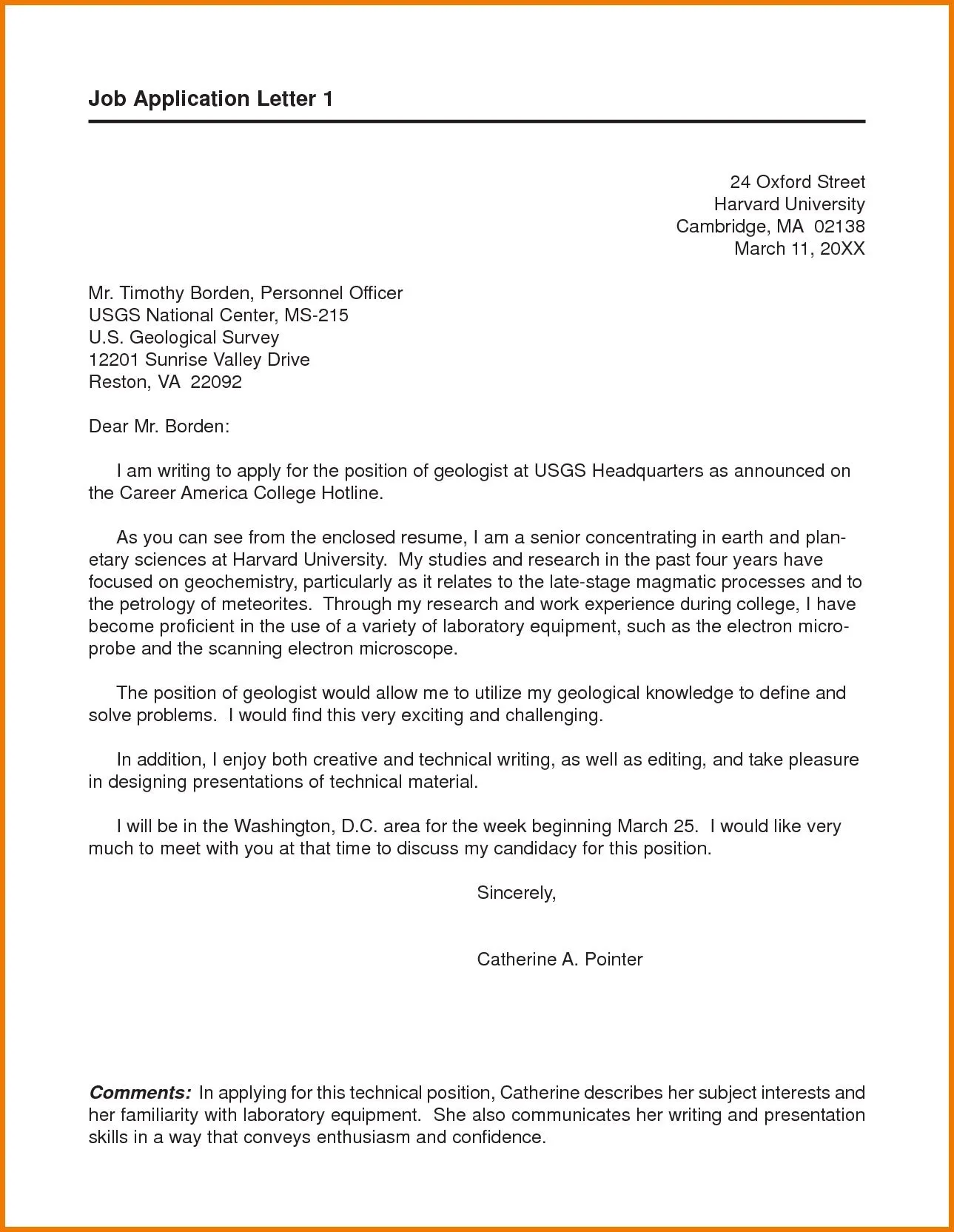
Cover Letter Format Top 5 Tips
Crafting a compelling cover letter is a crucial step in the job application process. It serves as your first impression, providing an opportunity to showcase your personality, skills, and enthusiasm for the position. A well-formatted cover letter not only highlights your qualifications but also demonstrates your professionalism and attention to detail. With numerous job applications vying for attention, mastering the art of cover letter formatting is essential to stand out from the competition. This guide will explore the top 5 tips to help you create a professional cover letter that grabs the reader’s attention and increases your chances of landing an interview.
What is a Cover Letter?
A cover letter is a one-page document that you send with your resume when applying for a job. It introduces you to the hiring manager and provides more context about your qualifications and why you’re a good fit for the role. Unlike your resume, which is a factual summary of your experience and skills, a cover letter allows you to express your personality, demonstrate your writing ability, and convey your genuine interest in the position. It should complement your resume by highlighting specific achievements and explaining how your skills align with the job requirements. A well-written cover letter goes beyond simply repeating the information in your resume; it tells a story, showcasing your passion and making a compelling case for why the employer should consider you.
Why is a Cover Letter Important?

In a competitive job market, a cover letter can be the deciding factor in whether you get an interview. It provides an opportunity to make a strong first impression and demonstrate your communication skills. It allows you to personalize your application and show that you’ve researched the company and understand the job requirements. A cover letter can explain gaps in your employment history, highlight transferable skills, and showcase your enthusiasm for the position. It also provides a platform to express your unique value proposition and connect with the hiring manager on a more personal level. Many employers use cover letters to assess a candidate’s writing skills, attention to detail, and ability to articulate their thoughts. Therefore, a well-crafted cover letter significantly increases your chances of being noticed and considered for the job.
Tip 1: Header and Contact Information
The header of your cover letter sets the tone for the rest of the document, and the placement of your contact information is crucial. It should be clean, professional, and easy to read. Make sure your contact information is accurate and up-to-date, as this is how the hiring manager will contact you. Incorrect contact information can lead to missed opportunities. Using a professional font and clear formatting shows that you pay attention to detail.
Formatting Your Header
Your header should include your full name, address, phone number, and email address. You can also include a link to your LinkedIn profile or online portfolio if you have one. The header should be left-aligned or centered at the top of the page. Ensure the font size is consistent with the rest of your document. Choose a professional font like Times New Roman, Arial, or Calibri, and avoid using overly decorative fonts. The goal is to make your contact information easily accessible and visually appealing.
Placement of Contact Information

Placement of your contact information should be consistent and professional. Typically, your contact information is placed at the top of the cover letter, either left-aligned or centered. The hiring manager’s contact information follows, usually aligned to the left. Ensure that there is sufficient space between each element to maintain readability. Keep the formatting simple and uncluttered to avoid distracting from the content. Proper placement demonstrates your organizational skills and respect for the reader’s time.
Tip 2: Addressing the Recipient
Addressing the hiring manager by name shows that you’ve done your research and are genuinely interested in the position. Avoid generic salutations like “To Whom It May Concern.” If you cannot find the hiring manager’s name, try to find the name of the hiring team or department. Personalizing your greeting makes a positive first impression and demonstrates attention to detail. It also indicates that you’ve taken the time to learn about the company and the role.
Researching the Hiring Manager
Use LinkedIn, the company website, or other online resources to find the hiring manager’s name and title. If you’re unable to find a specific person, address your letter to the hiring team or the department head. Always double-check the spelling and accuracy of the name. A quick search can make your application stand out from others that have used a generic greeting. Taking the extra step to personalize your cover letter shows that you’re proactive and invested in the opportunity.
Proper Salutations

Use professional salutations such as “Dear Mr./Ms./Mx. [Last Name]” or “Dear [Hiring Manager Name].” If you’re unsure of the person’s gender, use their full name or “Dear [First Name] [Last Name].” Avoid using informal greetings like “Hi” or “Hello.” The salutation sets the tone for the rest of your cover letter, so choose a professional and respectful greeting.
Tip 3: Opening Paragraph
The opening paragraph should grab the reader’s attention and clearly state the position you’re applying for. It should also briefly explain why you’re a good fit for the role. The first paragraph is your opportunity to make a strong first impression, so it should be concise, engaging, and tailored to the specific job and company. Avoid generic openings and instead, demonstrate your knowledge and enthusiasm.
Grabbing the Reader’s Attention
Start with a hook that immediately captures the hiring manager’s interest. This could be a specific achievement, a relevant skill, or an expression of your enthusiasm for the company or role. Mention where you saw the job posting, and state the position you are applying for. Make sure that your opening is relevant to the job requirements and shows that you’ve researched the company and understand their needs. A strong opening makes the reader want to learn more about you.
Highlighting Your Interest

Show genuine interest in the company and the role. Explain why you’re excited about the opportunity and what specifically appeals to you about the position. Demonstrate that you’ve researched the company and understand their mission, values, and goals. Personalize your letter by mentioning specific aspects of the job or the company that resonate with you. Show that you’re not just applying for any job; you’re applying for this job.
Tip 4: Body Paragraphs
The body paragraphs should showcase your skills, experience, and accomplishments. Use specific examples to demonstrate how you meet the job requirements. The body paragraphs are where you show the hiring manager why you are qualified for the position. Focus on the skills and experience most relevant to the job description. Your goal is to convince the hiring manager that you’re the best candidate.
Showcasing Your Skills and Experience
Highlight relevant skills and experiences, and provide concrete examples of your accomplishments. Quantify your achievements whenever possible. Use the STAR method (Situation, Task, Action, Result) to tell compelling stories about your past experiences. Tailor your examples to match the job requirements, demonstrating that you have the skills and experience the employer is seeking. Focus on what you achieved, how you did it, and the results you obtained.
Using Action Verbs

Start your sentences with strong action verbs to make your descriptions more impactful and engaging. Use verbs that highlight your skills and accomplishments, such as “managed,” “led,” “developed,” “achieved,” “implemented,” and “increased.” Avoid passive language and focus on active verbs that show you taking initiative. Action verbs help you create a dynamic and compelling narrative.
Tip 5: Closing and Call to Action
The closing paragraph should express gratitude and include a call to action. Thank the hiring manager for their time and consideration and reiterate your interest in the position. A clear call to action encourages the hiring manager to take the next step, such as scheduling an interview. The closing paragraph is your final opportunity to make a positive impression, so make sure it is polished and professional.
Expressing Gratitude
Thank the hiring manager for their time and consideration. Show your appreciation for the opportunity to apply and express your excitement about the position. Expressing gratitude is a polite and professional way to end your cover letter. A simple thank you shows that you value their time and attention.
Requesting an Interview

Include a clear call to action by expressing your eagerness to discuss your qualifications further and requesting an interview. Make it easy for the hiring manager to take the next step. Provide your contact information again or mention your availability for an interview. Ensure your email address and phone number are included and easily accessible. A clear call to action increases the likelihood that you will be contacted.
Proofreading and Editing
Before submitting your cover letter, carefully proofread it for any grammatical errors, typos, or inconsistencies. Errors can undermine your professionalism and credibility. Read your cover letter aloud to catch any awkward phrasing or sentence structure issues. Have a friend or family member review your cover letter for feedback. Proofreading shows attention to detail and reinforces your commitment to excellence.