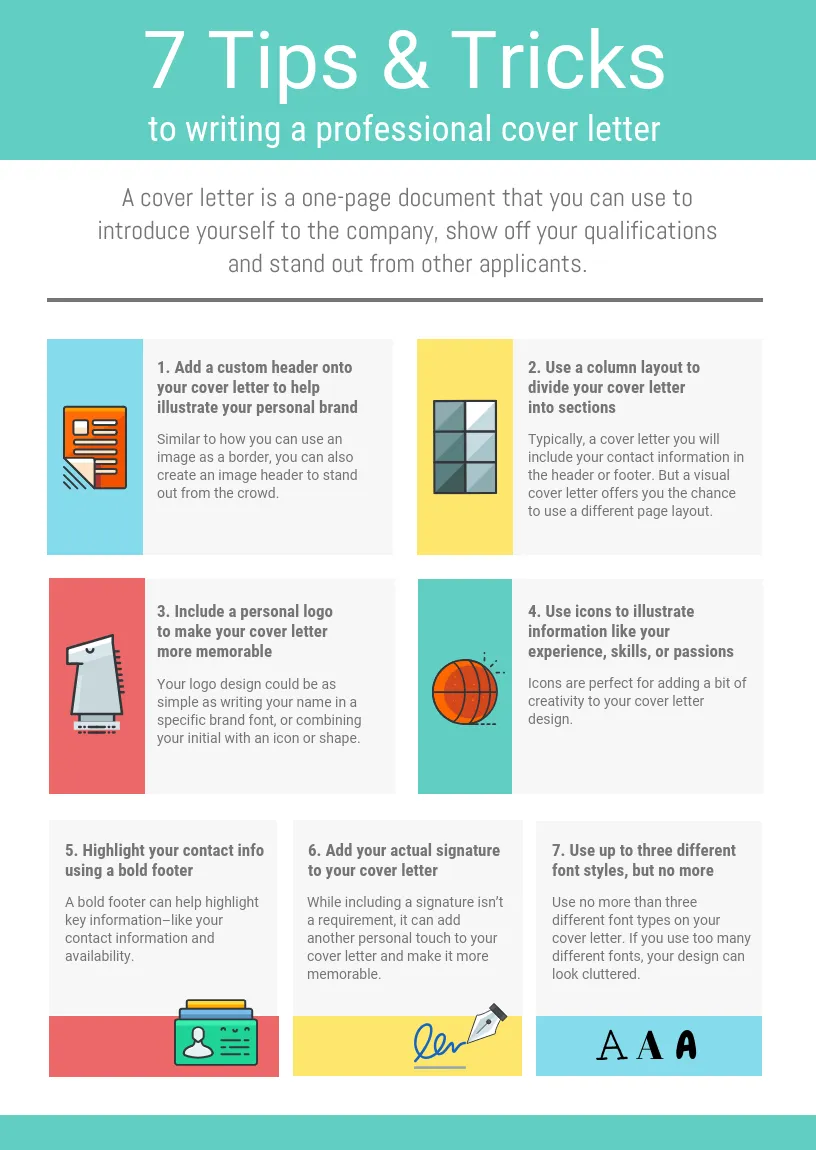
What is a Cover Letter for a Resume
A cover letter is a crucial document that accompanies your resume when applying for a job. It serves as your personal introduction, allowing you to highlight your skills, experience, and qualifications in a way that a resume alone cannot. It provides an opportunity to showcase your personality, express your interest in the specific role and company, and explain why you are the ideal candidate. A well-crafted cover letter can significantly increase your chances of getting noticed and securing an interview. Think of it as your first impression, a chance to make a compelling case for why the hiring manager should choose you.
Why Cover Letters Matter
In a competitive job market, a cover letter can give you a distinct advantage. Many hiring managers consider cover letters essential because they provide context to your resume. They allow you to elaborate on specific experiences, demonstrate your communication skills, and show how your qualifications align with the job requirements. A strong cover letter proves that you’ve taken the time to understand the role and the company, demonstrating genuine interest and professionalism. Failing to submit a cover letter when requested might suggest a lack of attention to detail, which can negatively impact your application.
The Purpose of a Cover Letter

The primary purpose of a cover letter is to persuade the hiring manager to read your resume and, ultimately, invite you for an interview. It’s your opportunity to demonstrate that you possess the skills and qualities the employer is seeking. A cover letter also allows you to personalize your application. Rather than simply listing your qualifications, you can explain why you are passionate about the position and the company. Furthermore, a cover letter can address any potential gaps in your resume, such as career changes or periods of unemployment, providing context and reassurance to the hiring manager.
Key Components of a Cover Letter
A well-structured cover letter is easy to read and contains essential information. Each component serves a specific purpose in presenting you as the best candidate for the job. From the opening paragraph to the closing statement, every sentence should contribute to a cohesive narrative that showcases your skills and enthusiasm. Proper formatting, clear language, and a professional tone are crucial for making a positive impression. The following elements are fundamental for a strong cover letter.
Contact Information
At the top of your cover letter, include your contact information: your name, phone number, email address, and professional LinkedIn profile URL (if you have one). This information ensures that the hiring manager can easily reach you. Make sure that your contact information is up-to-date and professional. Use a professional-sounding email address; avoid nicknames or unprofessional language. Consistency between your cover letter and resume contact details is also important.
Professional Greeting

Address the hiring manager or the specific person listed in the job posting whenever possible. Research the company to find the hiring manager’s name. Use “Dear Mr./Ms./Mx. [Last Name],” if you know the name. If you cannot find a name, use a general greeting such as “Dear Hiring Manager” or “Dear [Company Name] Hiring Team.” Avoid generic greetings like “To Whom It May Concern,” as this can make your letter feel impersonal. Addressing the recipient directly shows initiative and attention to detail.
Opening Paragraph Hook
The opening paragraph is your first chance to grab the reader’s attention. Start with a strong statement about why you are interested in the position and the company. Briefly mention the position you are applying for and where you found the job posting. You might also include a compelling achievement or a relevant skill that immediately captures the reader’s interest. This section sets the tone for the rest of the letter and encourages the hiring manager to continue reading your application. Make it clear why you are a great fit for the role right from the start.
Body Paragraphs Highlighting Skills and Experience
The body paragraphs are the core of your cover letter. Focus on showcasing how your skills and experience align with the job requirements. Use specific examples and quantifiable achievements to demonstrate your capabilities. Connect your skills to the needs of the company, and explain how you have addressed similar challenges in the past. Make sure to tailor each letter to the specific job and highlight the most relevant aspects of your career. Emphasize accomplishments, not just responsibilities, and use action verbs to make your descriptions engaging.
Tailoring Your Cover Letter to the Job

Customizing your cover letter for each job application is essential. Review the job description carefully and identify the key skills, qualifications, and requirements. Then, highlight experiences and achievements that directly relate to those needs. Mention the company and position name. Demonstrate that you understand the company’s mission, values, and needs. This level of detail shows that you are genuinely interested in the role and have invested time and effort into your application. Avoid sending generic letters that could apply to any job.
Quantifying Achievements
Whenever possible, quantify your achievements to demonstrate your impact. Use numbers, percentages, and specific data to show the results of your work. For example, instead of saying “Managed social media accounts,” state “Increased social media engagement by 30% within six months.” Such specific details add credibility to your claims and help the hiring manager understand the value you can bring to the company. Concrete examples make your achievements more convincing.
Closing Paragraph and Call to Action
In the closing paragraph, reiterate your interest in the position and thank the hiring manager for their time and consideration. Express your enthusiasm for the opportunity and indicate your availability for an interview. Include a call to action, such as “I look forward to hearing from you soon” or “Thank you for your time. I am eager to discuss my qualifications further.” Be professional and leave a positive lasting impression. Finish with a professional closing, such as “Sincerely” or “Best regards,” followed by your name.
Formatting and Presentation

The formatting and presentation of your cover letter contribute to its overall professionalism and readability. A well-formatted letter makes it easier for the hiring manager to scan and understand your qualifications. Proper formatting not only enhances the visual appeal of your application but also communicates attention to detail and professionalism. The following formatting points are crucial for an effective cover letter.
Font and Style
Choose a professional and easy-to-read font, such as Times New Roman, Arial, or Calibri. Maintain a consistent font size (11 or 12 points) throughout the letter. Use clear and concise language, and avoid jargon or overly complex sentence structures. Ensure the font choice is clean and reflects your professional demeanor, and helps the hiring manager to quickly assess your abilities. Using a simple, readable font contributes to a positive first impression.
Length and Structure
Keep your cover letter concise, ideally one page in length. Structure the letter with clear paragraphs and ample white space to enhance readability. Use bullet points to highlight key skills or achievements if appropriate. Maintain a logical flow from one paragraph to the next. Use consistent spacing and margins to ensure the document looks neat and organized. A well-structured cover letter makes a positive impact by guiding the hiring manager effectively.
Proofreading and Editing

Proofreading and editing are essential to ensure your cover letter is free of errors. Typos, grammatical errors, and inconsistencies can undermine your credibility. Review your letter carefully for spelling mistakes, punctuation errors, and incorrect sentence structure. Read the letter aloud to catch any awkward phrasing. Ask a friend or career advisor to review your cover letter for feedback. The best cover letters are flawless and polished, demonstrating your commitment to detail.
Common Mistakes to Avoid
Avoiding common mistakes can significantly increase your chances of success. Certain errors can immediately disqualify your application. Being aware of and actively avoiding common pitfalls will ensure your cover letter presents you in the best possible light. The following are some of the most common mistakes to avoid in a cover letter.
Generic Letters
Sending a generic cover letter that is not tailored to the specific job or company is a major mistake. Generic letters demonstrate a lack of effort and interest in the position. Hiring managers can easily spot a generic letter, as it does not show that you understand the company’s needs or the role’s requirements. Each cover letter should be customized to highlight the skills and experience most relevant to the specific job you’re applying for. Customization proves you have invested time to know the company.
Typos and Grammatical Errors

Typos and grammatical errors can make you appear careless and unprofessional. Such errors create a negative impression. Review your cover letter multiple times. Proofread carefully for spelling mistakes, punctuation errors, and incorrect sentence structure. Reading the letter aloud can help you catch awkward phrasing and grammatical issues. Always have someone else proofread your cover letter to catch any errors you might have missed. Attention to detail is crucial in any professional document.
Ignoring the Job Description
Failing to address the job description is a significant oversight. The job description outlines the skills, qualifications, and responsibilities required for the role. Your cover letter should directly address these requirements. Show how your skills and experience align with the job description. Make sure your qualifications match the requirements of the open position. Highlighting the skills and experiences that are essential for the job shows that you are a great fit for the role.
Cover Letter Best Practices
Following best practices can greatly improve the quality of your cover letter. Effective cover letters often include the following key elements: clear language, a strong introduction, relevant examples, and a confident closing. These best practices will help you to craft a cover letter that impresses employers and effectively showcases your potential.
Researching the Company
Researching the company is essential for tailoring your cover letter. Take the time to learn about the company’s mission, values, and recent projects. Demonstrate your understanding of the company and your enthusiasm for the organization. Mentioning specific details about the company shows that you are genuinely interested in the position and have invested time to get to know them. Use the knowledge you’ve gained to show how your skills and experience align with the company’s goals.
Using Keywords from the Job Description
Using keywords from the job description helps your cover letter align with the requirements of the position. Review the job description and identify the key skills and qualifications the employer is seeking. Incorporate those keywords into your cover letter. This practice helps demonstrate that you possess the skills and experience the employer is looking for. Strategic keyword usage also improves your chances of passing through Applicant Tracking Systems (ATS) that scan applications for specific terms.
Showing Enthusiasm and Passion
Expressing enthusiasm and passion for the role and the company is essential. Let your personality shine through. Share why you are excited about the opportunity and why you are the perfect fit. Communicate your genuine interest in the position and the company. Demonstrate your enthusiasm for the opportunity to contribute to the company’s success. When you show enthusiasm, you create a positive impression and make your cover letter memorable. This will help to highlight your potential and differentiate you from other applicants.