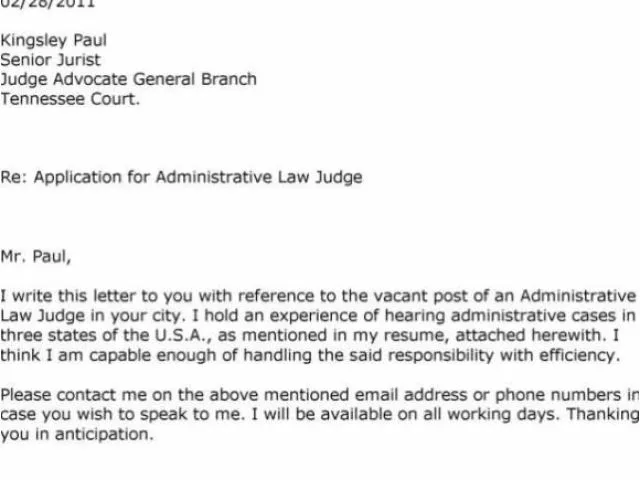
Cover Letter for Job Application What is it?
A cover letter is a crucial document that accompanies your resume when you apply for a job. Think of it as your personal introduction to the hiring manager, a chance to showcase your personality, express your interest in the role, and highlight why you’re the perfect fit. Unlike your resume, which provides a factual overview of your experience and skills, a cover letter allows you to tell a story, connecting your qualifications to the specific needs of the employer. It’s your opportunity to make a strong first impression and persuade the hiring manager to read your resume and, ultimately, invite you for an interview. A well-crafted cover letter can significantly increase your chances of landing your dream job.
Why Cover Letters are Important
In today’s competitive job market, a cover letter provides you with a crucial advantage. It allows you to personalize your application, demonstrating genuine interest in the specific role and company. Many employers value cover letters, as they provide insight into your communication skills, writing style, and overall professionalism. Cover letters enable you to address any potential gaps in your resume, such as career changes or lack of direct experience. It’s also a great way to highlight your achievements with supporting details. Cover letters can significantly improve your chances of getting noticed and getting an interview. A cover letter can make you stand out from other applicants.
Key Components of a Great Cover Letter

A successful cover letter consists of several essential parts, each playing a vital role in presenting you as a strong candidate. These components work together to create a concise and compelling narrative. Structure your letter logically, with each section building upon the previous one. This ensures a smooth and professional presentation. Make sure to include your contact information, a salutation, an engaging opening, a detailed section that discusses the skills and experience that you possess, and a great conclusion. Your cover letter is the ultimate pitch. A well-crafted cover letter is a testament to your attention to detail, communication skills, and genuine interest in the opportunity.
Contact Information
At the top of your cover letter, include your contact information. This should include your full name, phone number, email address, and LinkedIn profile URL (optional but recommended). Make sure your contact information is accurate and professional. This makes it simple for the recruiter or hiring manager to reach you. Ensure that the email address is professional, and your voicemail greeting is also professional. This simple step ensures that employers can contact you and helps to improve your application.
The Right Salutation
The salutation sets the tone for your entire letter. Always address the hiring manager by name if possible. Research the hiring manager’s name through the company’s website, LinkedIn, or by calling the company. If you cannot find a specific name, use a general salutation like “Dear Hiring Manager.” Avoid generic greetings like “To Whom It May Concern.” Addressing the hiring manager by name shows that you have taken the time to do your research and are genuinely interested in the position. This personal touch can help you stand out from other applicants who may use generic salutations.
Crafting a Compelling Opening Paragraph

Your opening paragraph is your first chance to grab the hiring manager’s attention. Start with a strong statement that clearly states the position you are applying for and where you saw the job posting. Briefly mention something that excited you about the role or the company. This demonstrates your enthusiasm and knowledge. Avoid generic openings. Instead, use a specific detail to make your letter stand out. For example, if the job description mentions a particular project, mention your experience with similar projects. This allows you to immediately illustrate your value to the hiring manager.
Highlighting Your Skills and Experience
The body of your cover letter is where you connect your skills and experience to the job requirements. Carefully review the job description and identify the key qualifications. In one to three paragraphs, provide specific examples of how your skills and experience align with the job’s needs. Use action verbs to describe your accomplishments and quantify your achievements whenever possible. Instead of simply listing your responsibilities, explain how you made a positive impact in your previous roles. This demonstrates that you can contribute to the company’s success. Tailor your letter to the specific requirements of the role.
Tailoring Your Letter to the Job Description
Customization is key. Every cover letter should be tailored to the specific job you are applying for. Do not use a generic cover letter template. Review the job description carefully. Note the key skills, qualifications, and responsibilities. Address each of these points in your letter. Show that you understand the company’s needs and how you can meet them. If the job description highlights certain projects or technologies, mention your experience with them. This shows that you have the necessary skills. Taking the time to tailor your letter will make a significant difference.
Quantifying Achievements

Whenever possible, quantify your achievements. Instead of saying, “I improved sales,” say “I increased sales by 15% in one quarter.” Provide specific metrics to show the impact you had in your previous roles. Quantifying your achievements adds credibility to your claims and demonstrates your value. Using numbers makes it easier for the hiring manager to understand your accomplishments. Also, it differentiates you from other candidates who make generic statements about their abilities. This attention to detail can significantly enhance your application.
Demonstrating Enthusiasm and Fit
Expressing your enthusiasm for the role and the company can leave a lasting impression. In your cover letter, explain why you are interested in the specific position and what excites you about the company. Do your research on the company’s mission, values, and recent achievements. Show how your personal and professional goals align with the company’s. This demonstrates that you are a good fit for the company culture. A genuine expression of enthusiasm can make your application more memorable and increase your chances of an interview.
Proper Formatting and Proofreading
Formatting and proofreading are essential for a professional cover letter. Ensure your letter is easy to read and visually appealing. Use a clear, professional font like Times New Roman, Arial, or Calibri. Use a standard font size (11 or 12 points). Maintain consistent spacing and margins. Proofread your letter carefully for any spelling, grammar, or punctuation errors. Errors can damage your credibility and make you look unprofessional. Make sure your letter is well-organized. A well-formatted and error-free cover letter demonstrates your attention to detail and professionalism.
Formatting guidelines

Keep the formatting simple and clean. Avoid excessive use of bolding, italics, or underlining. Make sure your letter is easy to scan. Use short paragraphs. Use bullet points when appropriate. Always maintain consistency in formatting. This attention to detail can reflect positively on your work.
Proofreading Tips
Proofread your cover letter multiple times. Read it slowly and carefully. Check for any spelling, grammar, or punctuation errors. It is best to have someone else read your cover letter as well. A fresh pair of eyes can catch errors that you might miss. Read your letter aloud to identify awkward phrasing. Use a spell checker and grammar checker tool. Ensure that your letter is polished and professional. Proofreading shows that you are paying attention to detail.
Closing Your Cover Letter
Your closing should be polite, professional, and action-oriented. Thank the hiring manager for their time and consideration. Reiterate your interest in the position and the company. End with a clear call to action, such as, “I look forward to hearing from you soon” or “I am eager to discuss my qualifications in an interview.” Use a professional closing like “Sincerely,” “Best regards,” or “Thank you.” A strong closing leaves a positive lasting impression. A well-crafted closing reinforces your enthusiasm and encourages the hiring manager to contact you.
Expressing Gratitude

Always express your gratitude to the hiring manager for their time and consideration. Thank the hiring manager for reviewing your application. A simple expression of gratitude shows respect. It leaves a positive impression. Make sure you are sincere. This small gesture can make a big difference.
Call to Action
End with a clear call to action. Let the hiring manager know that you are looking forward to hearing from them. State that you are available for an interview. This encourages the hiring manager to take the next step in the hiring process. You should also mention your availability. This gives the hiring manager a clear next step. Ending with a clear call to action increases your chances of getting an interview.
Cover Letter Examples & Templates
Utilizing cover letter examples and templates can be a great starting point. Cover letter examples can give you an idea of how to structure your letter and what kind of content to include. Templates can provide a framework that you can customize to fit your experience and the job description. However, avoid using a template verbatim. Tailor the example or template to reflect your unique skills and experiences. Ensure that the language you use is your own and reflects your personality.
Where to Find Templates

You can find cover letter templates on many websites. Job boards, career websites, and professional networking sites often provide templates. Look for templates that are well-designed and easy to customize. Make sure that the template is relevant to the type of job you are applying for. Some websites also provide examples that are customized for different industries or roles. This makes it easy to create your own cover letter.
Common Cover Letter Mistakes to Avoid
Avoiding common mistakes can make your cover letter more effective. One of the most common mistakes is sending a generic cover letter. Take the time to customize each letter for each job. Another mistake is focusing too much on what you want and not enough on what you can offer. Focus on your skills, accomplishments, and how you can contribute to the company. Spelling and grammar errors can undermine your professionalism. Ensure that you carefully proofread your letter. Making your cover letter too long will cause the hiring manager to lose interest.
Here are some additional tips to avoid common mistakes. Never lie or exaggerate. Do not include irrelevant information. Avoid using jargon or clichés. Always use a professional tone. Make sure that your letter is error-free. Follow these tips, and you will increase your chances of getting an interview.
Conclusion
Writing a great cover letter takes time and effort. By following these guidelines, you can create a cover letter that highlights your skills and experience, demonstrates your enthusiasm, and increases your chances of landing your dream job. Remember to tailor each cover letter to the specific job and company, and always proofread carefully. A well-crafted cover letter is a powerful tool that can open doors to exciting career opportunities. So, take the time to create a cover letter that showcases your potential. Your cover letter can be the key to your success.