In the competitive world of graphic design, a well-crafted cover letter can be your secret weapon. It’s your chance to make a strong first impression and convince potential employers that you have the skills, creativity, and passion to excel. While your portfolio showcases your visual abilities, your cover letter provides the narrative, explaining your thought process, and personality. With so much competition, you need to have the best cover letter, this guide will give you 5 tips to ensure your cover letter stands out.
Why Cover Letters Matter for Graphic Design Jobs
In the digital age, it might seem like a resume and portfolio are enough, but a cover letter offers a crucial opportunity to connect with the hiring manager on a personal level. It’s where you can show your enthusiasm for the specific role and the company. The cover letter lets you talk about more than just your skills, you can discuss your design philosophy, and what motivates you. This document isn’t just a formality; it’s your chance to differentiate yourself from other applicants and demonstrate your communication skills, which are essential in any design role. It allows you to elaborate on your experience, explain your career goals, and show why you’re the perfect fit for the job and the company culture.
Showcasing Your Design Skills on Your Cover Letter
While your portfolio will be the star of the show, your cover letter is where you can highlight your design skills. Rather than simply listing your proficiencies, provide examples of how you’ve applied these skills in previous projects. Discuss your experience with software like Adobe Creative Suite, Sketch, or Figma, and how you’ve used these tools to bring your creative visions to life. Quantify your achievements whenever possible, mentioning how you’ve improved a project, met a tight deadline, or exceeded client expectations. If you have strong skills with typography, color theory, or layout design, use the cover letter to briefly mention these specific areas of expertise and how they contribute to your overall design approach.
Highlighting Your Portfolio & Projects

Your portfolio is the core of your application, but your cover letter is where you can guide the reader through your best work. Don’t just include a link to your online portfolio; select a few projects that align with the job’s requirements and describe them briefly. Explain the challenge you faced, the solution you devised, and the outcome of the project. Showcase your understanding of the brief, target audience, and design principles. Mention the role you played in each project, whether it was a lead designer, a collaborator, or a specialist. Include a sentence or two about the tools you used, and your creative process. This level of detail helps the hiring manager see the story behind your work and gain a deeper understanding of your capabilities. Make sure your portfolio showcases your versatility, providing examples of different design styles.
Tailoring Your Cover Letter for Each Job
One of the biggest mistakes designers make is sending the same cover letter for every job. Tailoring your cover letter to each specific opportunity is critical. Research the company, understand their brand, and review the job description carefully. Address the hiring manager by name if possible and highlight the skills and experience that align with the job’s requirements. Show that you understand the company’s design style and that you’re excited about the specific role. Demonstrate a genuine interest in the company and its mission. Use keywords from the job description to show that you’ve paid attention to the details. Customizing your cover letter shows you’re serious about the opportunity and willing to go the extra mile to demonstrate your suitability. This effort demonstrates your understanding of their brand, the role, and the type of person they are looking for.
Cover Letter Formatting and Structure
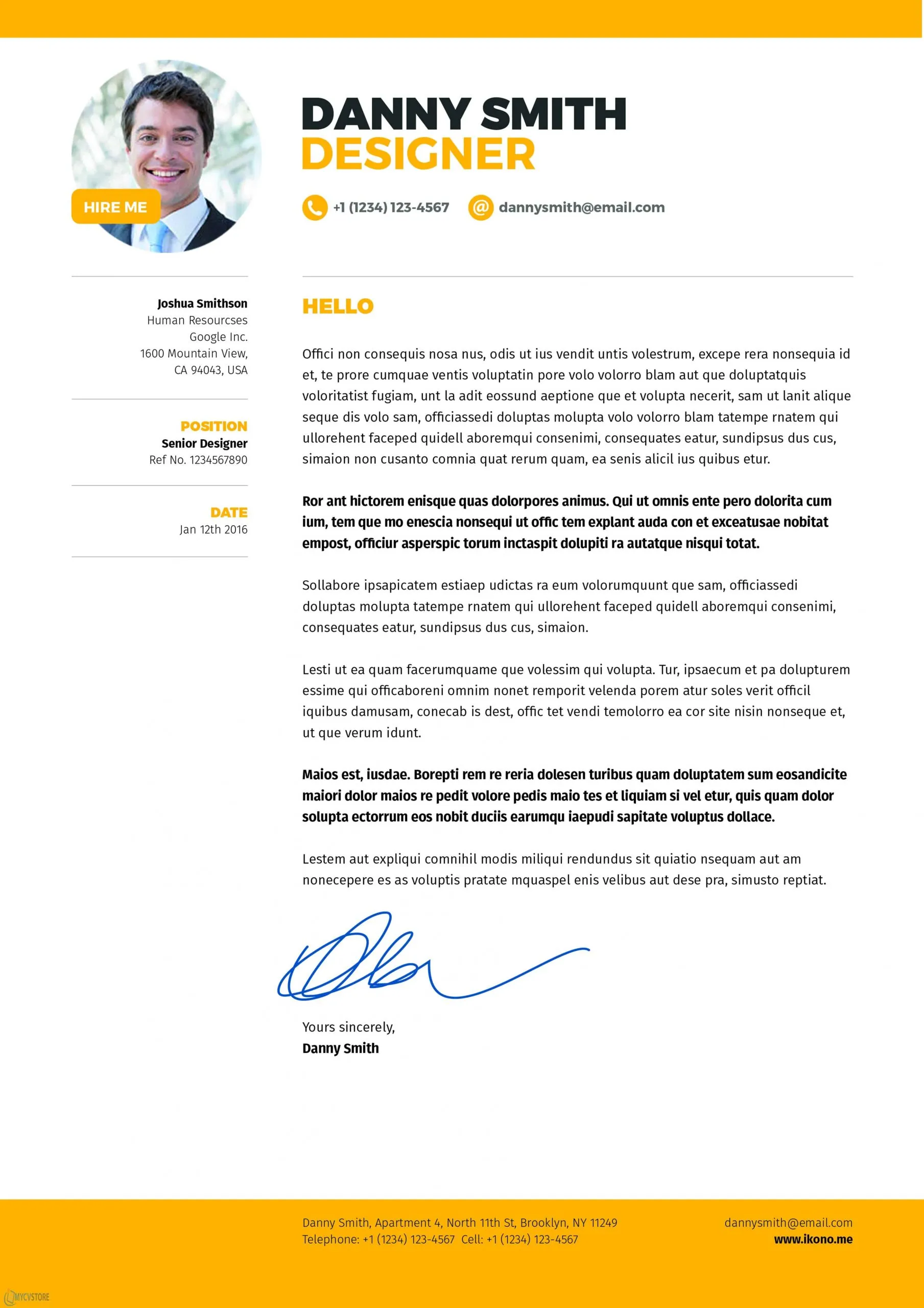
The format and structure of your cover letter are just as important as the content. Keep it concise, usually no more than one page. Use a professional font, and make sure your letter is easy to read. Structure your letter with a clear introduction, body paragraphs, and a strong conclusion. In the introduction, state the position you’re applying for and how you learned about the opportunity. The body paragraphs should highlight your skills, experience, and why you’re a great fit. Use bullet points or short paragraphs to break up large blocks of text. Finally, the conclusion should reiterate your interest and include a call to action, such as requesting an interview. Proofread your letter carefully for any grammatical errors or typos. Use a clear and organized layout. Make sure your contact information is easy to find.
Use of Visual Elements in Your Cover Letter

As a graphic designer, you’re expected to have a good sense of visual communication, but your cover letter needs to remain professional. While you can’t include complex design elements, you can incorporate subtle visual touches to make it more engaging. Consider using a clean layout with a small amount of white space to make the text easy to read. Use your brand colors sparingly to add a touch of personality. You can include a simple graphic, such as a logo or an icon, to subtly showcase your design skills. Ensure your cover letter is visually appealing and reflects your design sensibilities. Use a professional font and layout. Keep your design consistent with your portfolio and brand.
Common Mistakes to Avoid
Several common mistakes can hurt your chances of landing a graphic design job. Avoid generic cover letters that could be sent to any employer. Don’t simply list your skills; provide examples of how you’ve used them. Avoid typos, grammatical errors, and jargon. Avoid being overly casual or unprofessional in your tone. Make sure you’re following the instructions in the job posting, as many employers use this as the first screening. Be sure your contact information is accurate and up-to-date. Don’t go over the recommended page limit. Be positive, enthusiastic, and professional. Avoid using clichés and generic phrases.
Call to Action
A strong cover letter is more than just an introduction; it should compel the hiring manager to take action. End your cover letter with a call to action. Express your enthusiasm for the opportunity and reiterate your interest in an interview. Mention your availability for an interview and provide your contact information, including your phone number and email address. Reiterate your thanks for their time and consideration. Your call to action should be clear, concise, and inviting. This demonstrates your confidence and your willingness to move forward with the hiring process. By following these tips, you will give yourself the best chance of success when applying for a graphic design job.