What is an Employment Cover Letter
An employment cover letter is a document you send along with your resume when applying for a job. It serves as an introduction to your application, providing an opportunity to showcase your personality, skills, and enthusiasm for the position. Unlike a resume, which offers a factual overview of your experience and qualifications, a cover letter allows you to tell a story, connecting your background to the specific requirements of the job and the needs of the employer. It’s your chance to make a strong first impression and persuade the hiring manager to consider you further.
The Importance of a Cover Letter
In today’s competitive job market, a well-crafted cover letter is crucial. It provides context to your resume, explaining why you are the ideal candidate for the role. Many employers consider a cover letter a mandatory part of the application process, using it to assess your communication skills, attention to detail, and understanding of the job requirements. A compelling cover letter can significantly increase your chances of getting an interview, demonstrating your genuine interest and highlighting how your unique skills and experiences align with the company’s needs and values. It also allows you to address any potential gaps or concerns in your resume.
Cover Letter Key Components

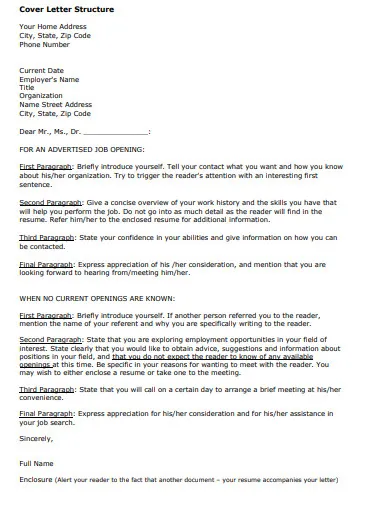
A strong cover letter includes several essential components. These elements work together to create a cohesive and persuasive narrative. By including these essential components, you can create a cover letter that effectively communicates your qualifications and enthusiasm. Each part serves a specific purpose, contributing to the overall impact and effectiveness of your application.
Contact Information
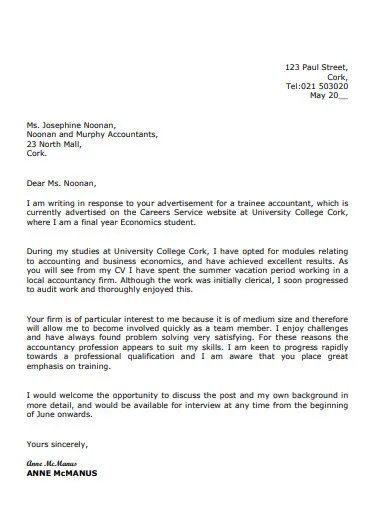
At the top of your cover letter, include your contact information, such as your full name, phone number, email address, and LinkedIn profile URL. This ensures that the hiring manager can easily reach you if they are interested in your application. Make sure your email address sounds professional and your phone number is up-to-date.
Salutation
Address the hiring manager by name if possible. Research the company to find out the name of the hiring manager or recruiter. If you cannot find a specific name, use a professional salutation like ‘Dear Hiring Manager’ or ‘Dear [Department Name] Team.’ Avoid generic greetings like ‘To Whom It May Concern,’ as they indicate a lack of effort or personalization.
Opening Paragraph Grab Attention

The opening paragraph should immediately grab the reader’s attention. State the position you are applying for and how you found the job posting. Briefly mention why you are interested in the role and the company. You can also include a compelling statement about your biggest achievement or what makes you stand out. Your goal is to create an instant connection and encourage the reader to continue reading.
Body Paragraphs Show Your Value
The body paragraphs are where you elaborate on your skills and experience. Use this section to demonstrate how your qualifications align with the job requirements. Provide specific examples of your accomplishments, using the STAR method (Situation, Task, Action, Result) to showcase your impact in previous roles. Tailor the content to match the job description, highlighting the skills and experiences that are most relevant. The body paragraphs should provide evidence of your competence and explain your value proposition.
Highlight Relevant Skills
Identify the key skills mentioned in the job description and provide evidence that you possess them. Use action verbs to describe your responsibilities and achievements. For instance, instead of saying ‘Responsible for managing projects,’ write ‘Managed multiple projects simultaneously, resulting in a 15% increase in on-time project completion rates.’ This shows your ability to not only do the job, but also to add value.
Showcase Achievements

Focus on quantifiable achievements whenever possible. Use numbers, percentages, and specific details to demonstrate your impact. For example, ‘Increased sales by 20% within six months’ is more compelling than ‘Improved sales.’ Highlight achievements that are relevant to the job and showcase your ability to deliver results. This makes you appear more credible and effective.
Address the Job Requirements
Carefully review the job description and address each of the key requirements. Explain how your skills and experience align with the specific needs of the role. Show that you understand the company’s expectations and are prepared to meet them. This demonstrates that you are a good fit for the position and that you have taken the time to understand the job requirements.
Closing Paragraph Encourage Action
In the closing paragraph, summarize your interest in the position and reiterate your qualifications. Express your enthusiasm for the opportunity and thank the hiring manager for their time and consideration. Include a call to action, such as ‘I look forward to the opportunity to discuss my application further’ or ‘I am eager to learn more about this exciting opportunity.’ This encourages the hiring manager to contact you.
Express Enthusiasm and Gratitude
Show genuine enthusiasm for the opportunity and express gratitude for the hiring manager’s time. Reiterate your interest in the company and the position, highlighting what excites you most. Thank them for considering your application and indicate your readiness for the next steps in the hiring process. A positive and grateful tone leaves a favorable impression.
Call to Action
Include a clear call to action, such as ‘I look forward to hearing from you’ or ‘I am available for an interview at your earliest convenience.’ Make it easy for the hiring manager to take the next step. Providing a clear call to action ensures that your letter ends with a positive and proactive note, encouraging the reader to move forward with your application.
Formatting Tips
Proper formatting is critical for readability and professionalism. Ensure your cover letter is easy to read and visually appealing. Use a professional font, consistent margins, and adequate spacing to present a polished document. The following formatting tips will enhance the impact of your cover letter, making it easier for the hiring manager to review and appreciate your application.
Choose the Right Font
Select a professional and easy-to-read font, such as Times New Roman, Arial, or Calibri. Use a font size between 10 and 12 points. Avoid overly ornate or distracting fonts that can detract from the content. A clean and simple font conveys professionalism and makes your cover letter more approachable.
Keep it Concise and Clear
Keep your cover letter concise and to the point, ideally within one page. Use clear and concise language, avoiding jargon and overly complex sentences. Ensure that your message is easily understandable and that you present your key qualifications efficiently. Brevity shows respect for the hiring manager’s time.
Proofread and Edit
Proofread your cover letter carefully for any typos, grammatical errors, and inconsistencies. Ensure that the formatting is consistent throughout the document. Ask a friend or family member to review it as a second pair of eyes can catch errors you may have missed. A polished and error-free cover letter demonstrates attention to detail and professionalism.
Examples of Cover Letters

Different types of jobs require different cover letters. Your cover letter should align with the industry and the level of your experience. Here are a few examples to guide you.
Entry-Level Cover Letter
An entry-level cover letter should emphasize your skills and academic achievements. Highlight relevant coursework, internships, or volunteer experiences. Show your enthusiasm for the field and your eagerness to learn. Focus on transferable skills and demonstrate your potential for success. Use your cover letter to bridge the gap between your academic background and the requirements of the job.
Experienced Professional Cover Letter
An experienced professional cover letter should showcase your accomplishments and expertise. Quantify your achievements with data and statistics whenever possible. Focus on how your skills and experience align with the specific needs of the company. Highlight your leadership abilities and the impact you have made in previous roles. The letter should showcase the value you would bring to the organization. The emphasis should be on measurable results and significant contributions.
Cover Letter for a Specific Industry
Tailor your cover letter to the specific industry you are targeting. Research the industry standards and expectations. Use industry-specific keywords and terminology. Highlight the skills and experience that are most relevant to that field. Show that you understand the industry’s challenges and opportunities. Tailoring your cover letter to a specific industry demonstrates your understanding and enthusiasm.
Common Mistakes to Avoid
Avoid these common mistakes to make your cover letter stand out. These mistakes can detract from your application and diminish your chances of success. Pay attention to these pitfalls to avoid these blunders.
Generic Cover Letters
Do not use a generic cover letter that is not tailored to the specific job or company. Customize each cover letter to reflect the requirements of the position and the values of the organization. Generic letters show a lack of interest and effort. A personalized cover letter demonstrates your attention to detail and genuine interest in the job.
Typos and Grammatical Errors
Carelessly written cover letters that contain typos and grammatical errors can make you look unprofessional and undermine your credibility. Always proofread carefully and use spell-check and grammar-check tools. Ask a friend or family member to review your letter. Errors create a negative impression and show a lack of attention to detail.
Too Long or Too Short
Keep your cover letter concise. It should be long enough to provide the necessary information but not so long that the reader loses interest. Aim for one page. A cover letter that is too long can overwhelm the reader, while one that is too short may not convey enough information.
Conclusion Key Takeaways
Writing a great cover letter is an essential part of the job application process. Follow these guidelines to ensure your letter effectively showcases your skills, experience, and enthusiasm. Crafting a compelling cover letter helps you make a positive impression and significantly increases your chances of landing an interview. Take the time to tailor your cover letter to each specific job application. A well-written cover letter can make all the difference in your job search.