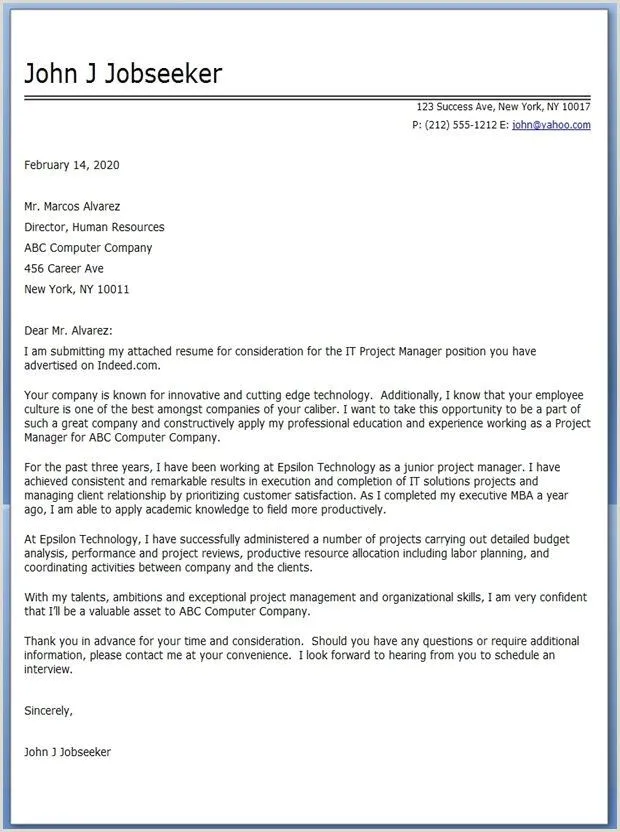
Why Cover Letter Examples Are Essential
In the competitive landscape of job applications, a well-crafted cover letter can be your golden ticket to an interview. Far from being a mere formality, a cover letter serves as your first introduction to a potential employer, offering a glimpse into your personality, skills, and aspirations. Unlike a resume, which provides a factual summary of your work history, a cover letter allows you to articulate your suitability for a specific role, demonstrating your understanding of the company and your enthusiasm for the opportunity. Cover letter examples provide a solid foundation. Using examples gives you the ability to build your own great cover letter, while adhering to the norms of the industry.
The importance of a cover letter extends beyond simply highlighting your qualifications. It is an opportunity to connect with the hiring manager on a personal level, showcasing your writing skills and your ability to communicate effectively. A compelling cover letter demonstrates that you have taken the time to research the company, understand the job requirements, and tailor your application accordingly. This level of personalization sets you apart from generic applicants and significantly increases your chances of securing an interview. Without a good cover letter, you may be seen as less qualified than others.
Understanding the Different Types of Cover Letters
Cover letters are not one-size-fits-all; their effectiveness depends on the context of your job search and the specific role you are targeting. There are several types of cover letters, each designed to serve a unique purpose and cater to different situations. Understanding these variations is crucial for tailoring your application to maximize your impact. The type of letter you choose should reflect the type of job you are applying to. Are you seeking a job that requires creativity? Do you already have a connection to the company? The answers to these questions will guide you in choosing the perfect cover letter.
From the traditional cover letter that focuses on qualifications to the modern format that highlights skills and achievements, each type offers a distinct approach to presenting your candidacy. The targeted cover letter, tailored to a specific job posting, is excellent for showing your understanding of the role and your alignment with the company’s needs. Networking cover letters are ideal for leveraging personal connections. Skills-based letters emphasize your abilities. Creative cover letters, while less common, can be a good choice in certain industries. Email cover letters are the most common type and should follow specific formatting guidelines.
Cover Letter Example 1 The Traditional Approach

The traditional cover letter remains a tried-and-true method for job applications, particularly in fields where formality is valued. This approach emphasizes your qualifications, experience, and suitability for the role, presenting a structured and professional introduction to the hiring manager. While the tone is typically formal, the traditional cover letter should also express your enthusiasm for the position and your genuine interest in the company. It is a great example for you to follow if you want to make a great first impression. Consider this approach if you want to convey a polished image to the company.
Key Elements of a Traditional Cover Letter
A traditional cover letter includes specific elements that provide the hiring manager with all the information they need to consider you. You should begin with your contact information, the date, and the recipient’s information. Then, address the letter to the hiring manager, if possible. The opening paragraph should state the position you’re applying for and how you learned about it, followed by a brief overview of your qualifications and why you’re interested in the company. The body of the letter should then delve into your skills, experience, and achievements, providing specific examples to support your claims. Use the body of the letter to show why you are the perfect fit for the role. The closing paragraph should reiterate your interest, express your availability for an interview, and thank the reader for their time and consideration. You should close the letter with a professional closing, such as “Sincerely” or “Respectfully,” followed by your typed name.
Cover Letter Example 2 The Modern Format
The modern cover letter offers a more contemporary approach to job applications, focusing on skills and achievements. This format is suitable for various industries, but especially those with a more relaxed culture. This approach prioritizes showcasing your abilities and quantifiable accomplishments, presenting a concise and compelling picture of your value. In this modern format, your personality can shine, creating a connection that makes you the ideal candidate for the role.
Highlighting Skills in a Modern Cover Letter

The modern cover letter emphasizes your key skills and how they align with the job requirements. Instead of simply listing your qualifications, you should highlight your skills through concise statements and provide examples of how you’ve utilized them. You might begin with a brief introduction of who you are. Then, describe the most relevant skills, backing them up with specific examples of how you’ve applied them in past roles or projects. Quantify your achievements whenever possible, such as by using numbers to show how you increased sales or reduced expenses. The goal is to demonstrate that you are a results-oriented candidate who can contribute to the company’s success.
Cover Letter Example 3 The Targeted Approach
The targeted cover letter is crafted specifically for a particular job posting, showcasing your understanding of the role and your alignment with the company’s needs. This approach is effective because it demonstrates your genuine interest and your willingness to go the extra mile. It’s a great way to convince a potential employer that you are the ideal candidate. It also gives you a great chance to stand out among a pool of applicants. This approach requires a thorough review of the job description and the company’s values.
Tailoring Your Cover Letter to the Job
To create a targeted cover letter, carefully analyze the job description, identifying the key requirements and desired skills. Customize your letter to directly address these points, providing examples of how your experience and qualifications meet the specific criteria. Research the company’s mission, values, and culture to demonstrate your understanding of their goals and show how you can contribute. Be sure to include relevant keywords from the job description throughout your letter, but avoid simply repeating the same phrases. Instead, weave them naturally into your narrative, highlighting your skills and experiences in a way that demonstrates your suitability for the role.
Cover Letter Example 4 The Networking Cover Letter

A networking cover letter is an excellent way to leverage your personal and professional connections to gain access to job opportunities. This approach is particularly useful when you’ve been referred by someone within the company or when you’re exploring unadvertised positions. It is also very useful when you want to be considered for a role that is not yet available. By utilizing a networking cover letter, you can introduce yourself to the hiring manager while leveraging your connections to make a great impression. You can then begin building a relationship that may lead to a job offer.
Making the Most of Your Network
When writing a networking cover letter, begin by mentioning the person who referred you or connected you with the company. Explain your relationship with the person and their connection to the company. This adds credibility to your application. Then, briefly state the reason for your letter. Whether you are applying for a specific position or simply expressing your interest in future opportunities, make your objective clear. Highlight your skills and qualifications, emphasizing how you can contribute to the company’s success. Express your enthusiasm for the company and its values, showcasing your understanding of its mission and culture. Close by expressing your gratitude for the referral and offering to provide any further information or answer any questions the hiring manager may have.
Cover Letter Example 5 The Skills-Based Cover Letter
The skills-based cover letter places the emphasis on your abilities, showcasing your expertise and qualifications for the role. This format is particularly effective when you have transferable skills from previous experiences. It focuses on what you can do, not just what you’ve done, and can be beneficial if you are changing careers or have gaps in your employment history. Consider using this approach if your skills are what make you the best candidate. In these cases, you want to make sure that your skills are highlighted.
Showcasing Relevant Skills

To write a skills-based cover letter, first identify the key skills required for the job. Then, provide specific examples of how you’ve demonstrated these skills in past roles or projects. Use action verbs to describe your accomplishments and quantify your achievements whenever possible. You can organize your skills into categories, making it easy for the hiring manager to see your value proposition. Be sure to tailor your letter to the specific job by aligning your skills with the job requirements. Close by expressing your interest in the position and your willingness to discuss your qualifications further.
Cover Letter Example 6 The Creative Cover Letter
The creative cover letter is a bold choice that allows you to express your personality and showcase your unique talents, particularly in creative fields. This approach goes beyond the standard format, allowing you to stand out from the crowd. With the creative cover letter, you can show your ability to think outside the box and provide the hiring manager with a memorable impression. This approach can be great if you want to be seen as a creative professional.
When to Use a Creative Cover Letter
The creative cover letter is most effective when applying for roles in the creative industries, such as design, marketing, or writing, where originality and innovation are valued. Before using this approach, research the company’s culture and values to ensure that it aligns with your style. If you are unsure, it is always best to go with the more conservative approach. Use the creative cover letter when you know the company has an established creative process. In your letter, showcase your skills through design, visuals, or innovative writing techniques. Ensure that the tone is professional, even while being unique, and that the format is easy to read. Always proofread your letter carefully.
Cover Letter Example 7 The Email Cover Letter

The email cover letter is the most common format for submitting job applications, and it provides a direct and convenient way to introduce yourself to a potential employer. This format is simple, professional, and easy to adapt for different job applications. It’s very important to follow the correct format to make the best impression, which can lead to the job of your dreams. The email cover letter should be concise and clearly formatted, with a professional tone that reflects your qualifications and enthusiasm.
Formatting Your Email Cover Letter
When formatting your email cover letter, start with a clear and concise subject line that includes the job title. Then, greet the hiring manager professionally, and state the position you are applying for. In the body of the email, briefly highlight your skills and experiences, tailoring your message to the specific job requirements. Keep the tone professional and avoid excessive formatting. Include a call to action that encourages the hiring manager to review your resume and consider you for an interview. Attach your resume as a PDF, and include a professional closing, such as “Sincerely” or “Best regards,” followed by your name and contact information.
Key Takeaways and Best Practices
In conclusion, crafting a compelling cover letter is essential for making a positive first impression and increasing your chances of landing an interview. By understanding the different types of cover letters and tailoring your approach to each job application, you can effectively showcase your skills and qualifications. Use the cover letter examples described above to guide you, but be sure to include your own unique personality. The key is to focus on how your experiences and skills align with the specific needs of the role and the company. By following these best practices, you can create a cover letter that sets you apart from the competition and positions you for success in your job search.