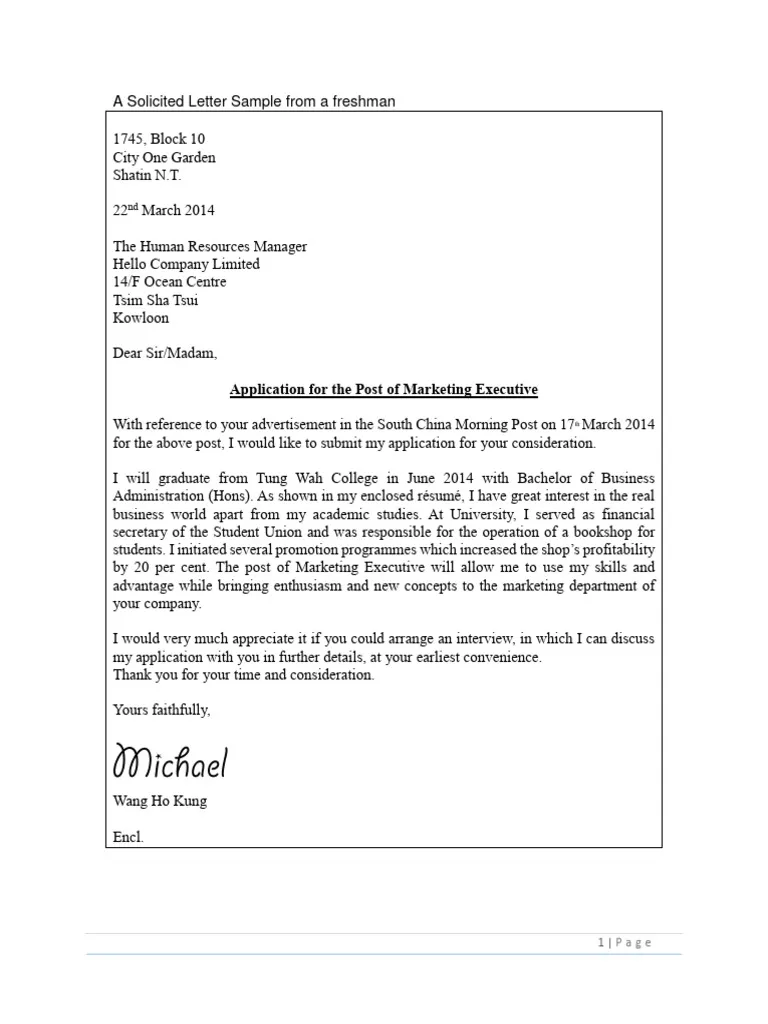
Cover Letter Examples What Is It?
A cover letter is a crucial document that accompanies your resume when applying for a job. It serves as a personalized introduction, allowing you to highlight your skills, experiences, and why you are the perfect fit for the position. Unlike a resume, which is a factual summary of your qualifications, a cover letter gives you the opportunity to express your personality, demonstrate your writing skills, and show genuine interest in the role and the company. Effective cover letters are tailored to each specific job application, showcasing how your unique abilities align with the employer’s needs and requirements. Understanding what makes a strong cover letter is the first step to landing your dream job, so we are going to cover some examples and how to make them the best.
Cover Letter Examples Why They Are Important
In today’s competitive job market, a well-crafted cover letter can significantly increase your chances of getting noticed by potential employers. It’s your opportunity to make a positive first impression and set yourself apart from other candidates. Recruiters often use cover letters to assess your communication skills, attention to detail, and enthusiasm for the role. A compelling cover letter demonstrates that you have taken the time to research the company and understand the specific requirements of the job. Furthermore, it allows you to address any potential gaps in your resume or explain your career goals in a more personal and engaging way. A strong cover letter can transform you from being just another applicant into a promising candidate, making it an invaluable tool in your job search.
Cover Letter Examples The Top 5 Tips for Success

Crafting a successful cover letter requires careful attention to detail and a strategic approach. To help you create a compelling cover letter that gets results, here are the top 5 tips for success. These tips will guide you through the process of creating a cover letter that will impress potential employers. By following these guidelines, you can significantly increase your chances of securing an interview and ultimately, landing your dream job.
Cover Letter Examples Tip 1 Highlight Your Achievements
Instead of simply listing your responsibilities, focus on showcasing your achievements. Use specific examples to quantify your accomplishments and demonstrate the impact you made in previous roles. This could include details like increasing sales by a certain percentage, streamlining processes to save time and resources, or successfully leading a project to completion. Quantifiable achievements provide tangible evidence of your skills and abilities, making your cover letter more impactful and memorable. Always use data to impress the employer and show them what your skills can do for their company. Make sure to include a range of achievements for the best overall impact.
Cover Letter Examples Tip 2 Tailor to the Job
Generic cover letters are easily identified and often overlooked. To make a strong impression, customize your cover letter for each job you apply for. Carefully review the job description and identify the key skills and qualifications the employer is seeking. Then, highlight the relevant experiences and skills from your background that align with their requirements. This shows that you have taken the time to understand the role and are genuinely interested in the opportunity. Avoid using pre-written templates that are not tailored to the specific job you’re applying for. This level of personalization can show the hiring managers your attention to detail and commitment.
Cover Letter Examples Tip 3 Use Action Verbs

Action verbs help to make your cover letter more dynamic and engaging. Start each bullet point or sentence describing your accomplishments with a strong action verb. Words like ‘achieved’, ‘managed’, ’led’, ‘developed’, ‘implemented’, and ‘improved’ immediately grab the reader’s attention and demonstrate your proactive approach. Action verbs bring your experiences to life and show employers what you are capable of. They create a vivid picture of your skills and how you applied them in previous roles. Using action verbs ensures that your cover letter is concise, impactful, and highlights your achievements in the most effective way possible. Avoid passive language and aim for a clear and assertive tone.
Cover Letter Examples Tip 4 Show, Don’t Tell
Instead of simply stating that you have certain skills or qualities, provide concrete examples that demonstrate them. Show the employer how you used your skills in practice and the results you achieved. For example, instead of saying ‘I am a good communicator,’ describe a situation where you effectively communicated a complex idea to a diverse audience. Use specific details, such as the project, the audience, and the outcome. This approach allows the employer to see your skills in action, making your claims more credible and memorable. Show, don’t tell, is about creating a story that highlights your relevant skills and making your cover letter more engaging and persuasive.
Cover Letter Examples Tip 5 Proofread Carefully
Errors in your cover letter can undermine your credibility and give the impression that you lack attention to detail. Before submitting your cover letter, thoroughly proofread it for any grammatical errors, spelling mistakes, or typos. It’s also helpful to have a friend or colleague review it, as they may catch mistakes that you missed. Ensure that your cover letter is well-formatted, with consistent spacing, clear headings, and a professional tone. A polished cover letter reflects your professionalism and commitment to excellence, significantly increasing your chances of making a positive impression on the hiring manager. Taking the time to proofread shows that you care about the quality of your work.
Cover Letter Examples Key Takeaways
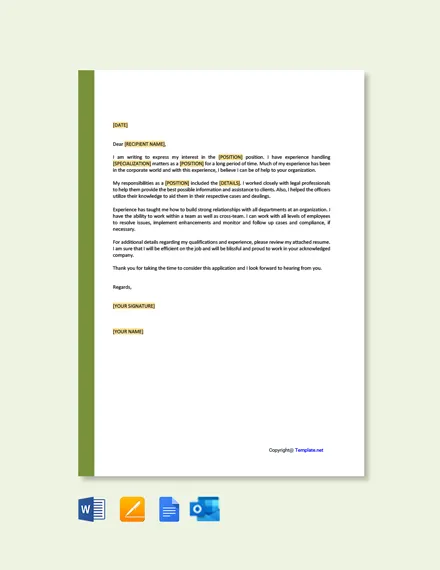
In conclusion, a well-crafted cover letter is a crucial component of a successful job application. It allows you to showcase your skills, experiences, and personality, making you stand out from the competition. Remember to highlight your achievements, tailor your letter to each job, use action verbs, show rather than tell, and proofread carefully. By following these tips, you can significantly increase your chances of landing an interview and securing your desired role. Good luck with your job search!