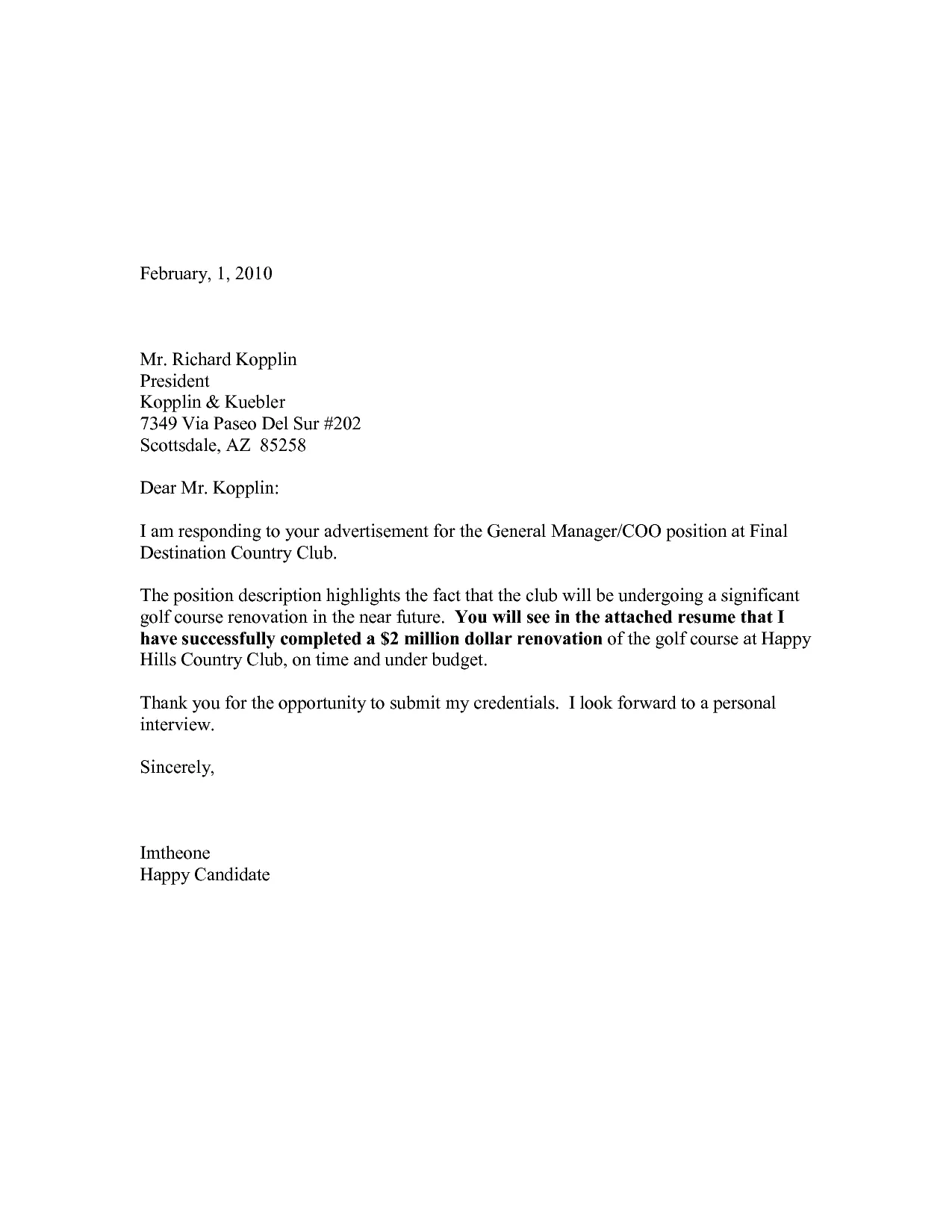
Why Cover Letter Examples Matter
In today’s competitive job market, a well-crafted cover letter is often the first impression you make on a potential employer. It serves as your personal introduction, providing an opportunity to showcase your personality, skills, and enthusiasm for the position. Cover letter examples are invaluable resources for job seekers, offering insights into effective writing styles, formatting, and content strategies. They provide a blueprint for crafting compelling narratives that capture the attention of hiring managers and differentiate you from other applicants. By studying examples, you can learn how to tailor your letter to specific job requirements, highlight your most relevant qualifications, and ultimately increase your chances of landing an interview. The best cover letters go beyond simply restating your resume; they tell a story, illustrating how your experience aligns with the company’s needs and how you can contribute to their success.
Understanding the Basics of Cover Letters
Before diving into examples, it’s crucial to grasp the fundamental principles of cover letter writing. A cover letter should be concise, typically one page in length, and professionally formatted. It should include your contact information, the date, the employer’s contact details, and a formal salutation. The body of the letter should be divided into clear paragraphs, each focusing on a specific aspect of your qualifications and your interest in the role. The language should be professional, engaging, and free of grammatical errors or typos. Remember to tailor each cover letter to the specific job and company, demonstrating your understanding of their needs and values. A generic cover letter will likely be overlooked, while a personalized one shows that you’ve invested time and effort into the application process. Proper formatting, including consistent fonts, spacing, and clear headings, enhances readability and makes a positive impression on the reader.
The Core Components of a Compelling Cover Letter

A compelling cover letter comprises several key components that work together to make a strong case for your candidacy. These elements include a captivating opening, a persuasive body that highlights your skills and achievements, and a strong closing that reiterates your interest and encourages the employer to contact you. Each component plays a crucial role in conveying your qualifications and enthusiasm. Your introduction should immediately grab the reader’s attention and clearly state the position you are applying for. The body of the letter should delve into your relevant experience, skills, and accomplishments, providing concrete examples of how you’ve demonstrated these in previous roles. Finally, your closing should reiterate your interest in the position and express your eagerness for an interview, making sure to thank the reader for their time and consideration. A well-structured cover letter is easy to read and highlights your key strengths.
Key Element 1 Opening Statement
The opening statement is your first opportunity to make a positive impression. It should immediately capture the reader’s attention and clearly state the position you are applying for. Avoid generic openings like “I am writing to apply for the position of…” Instead, aim for a more engaging approach. Consider mentioning a specific accomplishment, a shared connection, or your genuine excitement about the company or the role. This sets the tone for the rest of the letter and encourages the reader to continue reading. A strong opening statement demonstrates your enthusiasm and helps you stand out from the crowd. It should also briefly highlight your most relevant qualifications, giving the reader a quick overview of why you are a good fit for the job. Remember to tailor the opening to each specific job and company, showcasing your understanding of their needs and values.
Key Element 2 Highlighting Your Skills
The body of your cover letter should highlight the skills and experiences that align with the job requirements. Carefully review the job description and identify the key skills and qualifications the employer is seeking. Then, provide specific examples of how you’ve demonstrated these skills in previous roles or experiences. Quantify your achievements whenever possible, using numbers and data to illustrate your impact. For example, instead of saying “Managed social media accounts,” say “Increased social media engagement by 30% in six months.” Be sure to tailor this section to the specific job and the employer’s needs. This will show that you understand what the company is looking for. Use action verbs to describe your accomplishments and focus on the results you achieved. This makes your cover letter more compelling and easier to read, helping the reader understand the value you can bring to the company.
Key Element 3 Showcasing Achievements

Employers want to know what you have achieved in past roles, not just what you did. Use the body of your cover letter to showcase your accomplishments and quantify your results. For example, instead of stating you have experience with customer service, describe how you resolved customer issues, or how you managed to maintain a high level of customer satisfaction. Whenever possible, provide specific metrics or data to support your claims. Did you improve sales figures? Did you streamline a process to save time or money? Did you receive any awards or recognition for your performance? Providing concrete evidence of your accomplishments helps demonstrate your value to the employer and strengthens your application. Using the STAR method (Situation, Task, Action, Result) can be helpful in structuring your examples, providing context, describing the challenges you faced, outlining the steps you took, and detailing the positive outcomes.
Key Element 4 Demonstrating Company Alignment
A successful cover letter should demonstrate that you understand the company’s values, mission, and goals. Research the company thoroughly before writing your letter. Visit their website, read their mission statement, and browse their social media profiles. Tailor your letter to show how your skills and experience align with their specific needs and values. Explain why you are interested in working for this particular company and what you admire about their work. You might mention a specific project you are excited about or a product you enjoy using. This demonstrates your genuine interest and shows that you have done your homework. By demonstrating company alignment, you show the employer that you’re not just looking for any job, but that you are genuinely interested in their organization and its success.
Key Element 5 Call to Action
Your cover letter should conclude with a clear call to action, encouraging the employer to take the next step. Reiterate your interest in the position and express your enthusiasm for an interview. Provide your contact information and state your availability for a call or meeting. A well-crafted call to action makes it easy for the employer to move forward with your application. Avoid passive language. Instead, use confident and enthusiastic wording. Thank the reader for their time and consideration, and express your eagerness to discuss your qualifications further. For instance, you might say, “Thank you for considering my application. I am eager to discuss my qualifications in an interview and can be reached at [phone number] or [email address].” or “I am excited about the opportunity to contribute to [Company Name]’s success. I welcome the chance to discuss my application further and am available for an interview at your earliest convenience.”
Top 5 Must-Knows from Cover Letter Examples

Studying cover letter examples provides valuable insights into effective cover letter writing. There are several key takeaways that can significantly improve your applications. Focus on these 5 essential best practices
Know 1 Tailoring to the Job Description
Always tailor your cover letter to the specific job description. Review the job posting carefully and identify the key requirements and keywords. Then, customize your letter to highlight the skills and experiences that align with the employer’s needs. This will increase your chances of standing out from the crowd and demonstrating your understanding of the role. Use the same language and keywords as the job description to make it clear that you are a good fit. Don’t simply submit a generic cover letter. Showing that you have put in the effort to personalize your application demonstrates your interest and attention to detail, which are highly valued by employers. The cover letter should focus on matching skills and experience.
Know 2 Emphasizing Relevant Skills
In your cover letter, make sure to emphasize the skills that are most relevant to the job you are applying for. Identify the skills and qualifications that the employer is seeking and provide concrete examples of how you’ve demonstrated these skills in previous roles or experiences. Use action verbs to describe your accomplishments and focus on the results you achieved. If the job description highlights the need for strong communication skills, provide an example of how you effectively communicated with clients, colleagues, or stakeholders. If the role requires project management skills, share details of a project you successfully managed, including the challenges you faced and the outcomes you achieved. The focus should be on demonstrating your value and showing the hiring manager that you have the skills needed for the job. By emphasizing relevant skills, you help the employer quickly see that you are a good fit for the position.
Know 3 Quantifying Your Accomplishments

Quantifying your accomplishments is a critical aspect of writing a compelling cover letter. Use numbers, data, and metrics to illustrate your impact and demonstrate your value. Instead of simply stating that you improved sales, provide specific figures, such as “Increased sales by 15% in one quarter.” If you streamlined a process, mention the time or money you saved. Providing concrete evidence of your achievements makes your claims more credible and helps the employer understand the value you can bring to the company. The more specific you are, the better. This will help you stand out by providing tangible examples of your experience, and the impact of your work. Your resume is there to list your skills and experience, but your cover letter is there to tell the story of your success.
Know 4 Showcasing Personality and Enthusiasm
Your cover letter should showcase your personality and enthusiasm for the position. While maintaining a professional tone, let your personality shine through. Show your genuine interest in the company and the role. Express your excitement about the opportunity to contribute to their success. Use enthusiastic language and positive phrasing. Avoid sounding generic or robotic. The cover letter is the perfect place to express your personality and demonstrate your passion. You can include a brief anecdote or personal touch that makes your application more memorable. This will help you connect with the hiring manager on a more personal level, increasing your chances of standing out and leaving a lasting impression.
Know 5 Proofreading and Editing Meticulously
Before submitting your cover letter, proofread it carefully for any grammatical errors, typos, or inconsistencies. Mistakes can make a negative impression and undermine your credibility. Check your spelling, grammar, and punctuation. Ensure that your sentences are clear, concise, and easy to understand. Read your cover letter aloud to catch any awkward phrasing or awkward sentence structure. Ask a friend, family member, or career advisor to review your letter for any potential errors. Pay close attention to the format and make sure it is consistent throughout. Proper formatting, including consistent fonts, spacing, and clear headings, enhances readability and makes a positive impression on the reader. A polished and error-free cover letter demonstrates your attention to detail and professionalism, increasing your chances of getting noticed and landing an interview.
Utilizing Cover Letter Examples Effectively

Cover letter examples are valuable resources for job seekers, but it’s essential to use them effectively. Do not copy and paste from examples. Instead, use them as a guide to understand the structure, language, and content that works well. Adapt the examples to reflect your own skills, experiences, and the specific requirements of the job you’re applying for. Analyze different examples to get a sense of various writing styles and approaches. Experiment with different formats and wording to find what works best for you and your target job. Remember that your cover letter should be unique and reflect your personality and qualifications. By utilizing cover letter examples effectively, you can significantly enhance your application and increase your chances of success.