Why Cover Letters Still Matter
In an era dominated by digital applications and automated screening processes, it’s easy to question the continued relevance of cover letters. However, these concise documents remain a crucial component of a successful job application, serving as your first introduction to a potential employer. They offer a unique opportunity to showcase your personality, explain your career aspirations, and demonstrate a genuine interest in the specific role. A well-crafted cover letter complements your resume by providing context, illustrating your skills, and highlighting your unique value proposition. It is also an opportunity to personalize your application, differentiating you from other candidates who may only submit a resume. In essence, the cover letter isn’t just a formality; it’s a powerful tool for making a positive first impression and securing an interview.
The Purpose of a Cover Letter
The primary purpose of a cover letter is to convince the hiring manager that you are a strong candidate for the position. It is your chance to tell a story about your qualifications and explain why you are the best fit for the job and the company. Unlike a resume, which is a static summary of your experience, a cover letter enables you to provide context, explain gaps in employment, or address specific requirements mentioned in the job description. Furthermore, a well-written cover letter helps establish your communication skills, a critical attribute in nearly every professional setting. It gives you the opportunity to demonstrate your writing ability, your attention to detail, and your ability to tailor your message to a specific audience. By showcasing your personality and demonstrating genuine interest, a cover letter goes beyond simply listing your skills; it makes you a memorable applicant.
Key Elements of a Strong Cover Letter

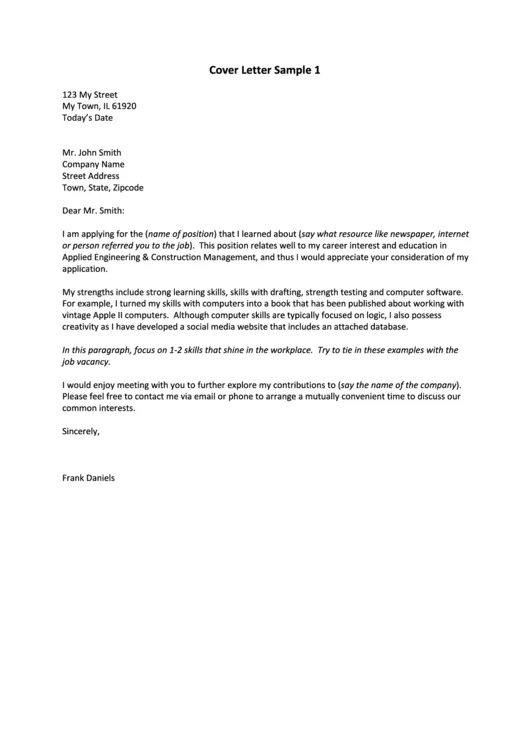
A compelling cover letter goes beyond a simple recitation of your resume; it is a carefully constructed narrative designed to capture the reader’s attention and make a lasting impression. Begin with a professional heading, including your contact information and the date, followed by the recipient’s details. The body should be divided into distinct paragraphs, each serving a specific purpose. The opening paragraph should immediately capture the reader’s interest, expressing enthusiasm for the position and referencing where you found the opportunity. Subsequent paragraphs should highlight your relevant skills and experiences, using specific examples to demonstrate your accomplishments. The closing paragraph should reiterate your interest, express confidence in your abilities, and include a clear call to action, such as requesting an interview. The language you use is crucial as it should be confident, professional, and enthusiastic. Finally, remember to tailor each cover letter to the specific job and company, showcasing that you have taken the time to understand their needs.
Contact Information and Salutation
Start by including your full name, address, phone number, and email address at the top left or right of the page. Directly below this, include the date, followed by the hiring manager’s name and title, the company name, and the company’s address. Use a professional salutation, such as “Dear Mr./Ms./Mx. [Last Name],” when the hiring manager’s name is known. If the hiring manager’s name is not available, use “Dear Hiring Manager” or “Dear [Department Name] Team.” Avoid generic greetings like “To Whom It May Concern,” as they can make your application seem impersonal. Proper formatting and a professional salutation are the first steps in making a positive impression on the reader.
How to Address the Hiring Manager
Addressing the hiring manager by name is crucial for showing that you have taken the time to research the company and the role. This demonstrates a higher level of interest and attention to detail. Always use the correct title (Mr., Ms., Dr., etc.) and double-check the spelling of their name. If you are unsure about the correct gender pronoun, use a gender-neutral salutation, such as “Dear [First Name] [Last Name],” or “Dear Hiring Manager.” If you cannot find the hiring manager’s name, try looking on the company’s website, LinkedIn, or contacting the company directly. Failing to find a name is always acceptable; the key is to make an effort to find the correct name and use it properly.
Crafting a Compelling Opening

The opening paragraph is your opportunity to capture the reader’s attention from the start. It should be concise, engaging, and directly relevant to the job you are applying for. Start by stating the position you are applying for and where you found the job posting, such as a specific job board or company website. Briefly express your enthusiasm for the opportunity and the company. Then, immediately transition to the main points that make you a strong candidate. This could include a key skill, a significant accomplishment, or a unique perspective that aligns with the job requirements. The goal is to immediately showcase your value proposition, ensuring the reader is engaged and eager to learn more about your qualifications. Make sure to keep it brief, compelling, and tailored to the specific job.
Highlighting Relevant Skills and Experience
The body of your cover letter should provide detailed information about your relevant skills and experience. Carefully review the job description and identify the key requirements. Then, provide specific examples from your past experiences that demonstrate how you meet those requirements. Rather than simply listing your responsibilities, focus on showcasing your achievements and the results you have delivered. Use the STAR method (Situation, Task, Action, Result) to structure your examples, providing context, detailing the actions you took, and quantifying the outcomes. Make sure the skills and experiences you highlight are directly relevant to the job, demonstrating your ability to perform the job duties and contribute to the organization’s success. This detailed approach gives the hiring manager a clear picture of what you can offer and how you can add value.
Quantifying Achievements
Whenever possible, quantify your achievements to make your accomplishments more impactful and demonstrate your value. Use numbers, percentages, and specific data points to illustrate the positive impact you have had in previous roles. For example, instead of saying “Improved customer satisfaction,” state “Increased customer satisfaction scores by 15% within six months.” This provides concrete evidence of your abilities and makes your claims more credible. Quantifying your achievements helps the hiring manager quickly understand the value you can bring to the position and the potential return on investment. Be sure to include metrics that are relevant to the job and align with the company’s goals. This will help them see how you can help them achieve their business objectives.
Demonstrating Enthusiasm and Fit

It’s essential to express your enthusiasm for the specific job and the company. Explain what interests you about the role and what you find appealing about the company’s mission, values, or products. Show that you have taken the time to research the company and understand its culture. This could include mentioning specific projects or initiatives that resonate with you, or discussing how your skills and experience align with the company’s goals. By showing a genuine interest, you demonstrate that you are not just looking for any job, but that you are genuinely excited about the opportunity to contribute to this particular organization. The more you show genuine enthusiasm, the more likely you are to capture the reader’s attention and make a positive impression.
Writing a Strong Closing
The closing paragraph is your final opportunity to leave a lasting impression. Reiterate your interest in the position and summarize your key qualifications. Express confidence in your ability to perform the job duties successfully and highlight your commitment to the company’s success. Thank the hiring manager for their time and consideration. Keep the closing concise, confident, and focused on the value you bring to the table. A strong closing leaves the reader with a clear understanding of your suitability for the role and reinforces your desire to be considered. Ensure the tone is professional and enthusiastic, reinforcing your overall message.
Call to Action and Next Steps
Conclude your cover letter with a clear call to action, such as requesting an interview. Provide your contact information again in case the hiring manager needs to reference it. Express your availability for an interview and reiterate your enthusiasm for the opportunity. A strong call to action encourages the hiring manager to take the next step and move you forward in the hiring process. It demonstrates your proactive approach and makes it easy for them to respond. By ending with a clear request for an interview, you increase your chances of being considered for the position. Always thank the hiring manager for their time and consideration, and express your anticipation of hearing from them soon.
Top 5 Cover Letter Examples for Success
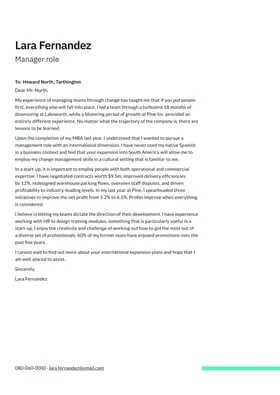
There’s no one-size-fits-all cover letter, as the best approach depends on your individual circumstances, the job you’re applying for, and the company’s culture. However, these five examples demonstrate different approaches that can be adapted to suit your specific needs. Tailoring each example to your situation is essential for maximizing your impact. These examples showcase a variety of formats and styles to provide you with inspiration. Remember to personalize your cover letter to reflect your unique qualifications and the specific requirements of each job.
Example 1 The Enthusiastic Applicant
This cover letter style is best for candidates who are passionate about the company and the role. It opens with a strong statement of enthusiasm, immediately highlighting the applicant’s excitement about the opportunity. The letter emphasizes how the applicant’s skills and experiences directly align with the job description, while demonstrating knowledge of the company’s mission and values. It showcases genuine interest in the company’s work, creating an emotional connection with the hiring manager. To effectively implement this example, focus on incorporating information about the company culture and any recent activities that they engage in, as well as details of what makes you a good fit for this environment.
Example 2 The Skills-Focused Approach
The Skills-Focused Approach highlights the most relevant skills and experiences. This is an effective strategy when applying for a job where the required skills are clearly stated in the job description. This type of letter strategically aligns the applicant’s abilities with the specific requirements of the position, focusing on quantifiable achievements and evidence of past success. Quantifiable achievements help to make your claims of proficiency more credible. To utilize this approach, you should break down the job description and list your skills next to the required skills, and explain how you gained those skills.
Example 3 The Problem-Solving Cover Letter

This cover letter showcases your ability to solve problems and provide valuable solutions to the company. It identifies a specific challenge the company faces and explains how the applicant’s skills can address it, positioning them as a proactive, solutions-oriented candidate. The opening directly addresses a problem the company is experiencing, immediately capturing the reader’s attention. It offers a clear outline of how the applicant can contribute to the company’s success. Emphasize your skills in solving real problems, showing how you helped solve a problem for your previous employer, and how that will translate to the current role you are applying for.
Example 4 The Networking Cover Letter
This letter leverages the power of networking to make a connection. It mentions how the applicant learned about the opportunity through a contact, demonstrating a personal connection and increasing the chance of a positive response. Begin by referencing a mutual connection to establish a connection. Highlight any recommendations made by the mutual connection. This approach provides an immediate point of familiarity and increases the likelihood of a positive response. Networking can make a huge difference in your chance of being called for an interview, as your application will be reviewed with a level of personal connection.
Example 5 The Value-Driven Cover Letter
This style focuses on the specific value the applicant brings to the company. It clearly articulates the benefits of hiring the applicant, emphasizing their unique qualifications and the potential return on investment. The letter highlights specific skills and experiences that directly align with the company’s needs and goals, showcasing how the applicant can contribute to their success. By demonstrating how they can improve revenue or reduce operational costs, this method makes it easier for the hiring manager to see the value in their application. This style works by making it clear to the hiring manager the benefits of choosing you, making it more likely that you will be chosen.
Common Mistakes to Avoid

Even the most well-intentioned job seekers can make mistakes that undermine the impact of their cover letters. Avoiding these common pitfalls can significantly increase your chances of success. Ensure that your cover letter is free of grammatical errors, spelling mistakes, and typos. These errors can make you appear unprofessional and detract from your credibility. Avoid generic, impersonal language and tailor each cover letter to the specific job and company. Using a generic cover letter, such as the exact same cover letter for multiple jobs, will not demonstrate a genuine interest in the role or company. Don’t simply restate your resume, but instead provide context and elaborate on your achievements, showcasing your personality and passion. Finally, do not provide an overwhelming amount of information. Be concise and focus on the most relevant information, avoiding unnecessary details that might distract the reader.
Proofreading and Editing Your Cover Letter
Proofreading and editing your cover letter is a critical step in ensuring it makes a positive impression. After writing, take time to review your cover letter for any errors in grammar, spelling, and punctuation. Read it aloud to catch any awkward phrasing or sentences that don’t flow smoothly. Consider having a friend, family member, or career counselor review your cover letter for clarity and effectiveness. They can provide a fresh perspective and identify any areas that need improvement. Use tools like spell check, grammar check, and other online resources to catch any mistakes you might have missed. A polished cover letter is the key to showing your professionalism and attention to detail.
Tailoring Your Cover Letter to the Job
Tailoring your cover letter to the specific job is essential for demonstrating your genuine interest and qualifications. Carefully review the job description and identify the key requirements, skills, and experiences the employer is looking for. Use keywords and phrases from the job description to showcase how your skills and experiences align with the role’s needs. Provide specific examples from your past experiences to demonstrate how you meet these requirements and have delivered results. Research the company and understand its mission, values, and goals. Demonstrate your knowledge of the company and tailor your cover letter to reflect how you can contribute to their success. Showing your understanding of the company’s needs and your ability to meet them will significantly increase your chances of getting hired.
Cover Letter Formatting and Design

The formatting and design of your cover letter is another factor that contributes to its professionalism. Use a clean, readable font such as Arial, Calibri, or Times New Roman, and maintain a consistent font size throughout the document. Use clear headings and subheadings to structure your content and make it easy for the reader to scan. Maintain consistent spacing between paragraphs and sections, and use bullet points or lists to highlight key information. Ensure your cover letter is no longer than one page, as this is typically the maximum length that hiring managers are willing to read. A well-formatted cover letter demonstrates attention to detail and enhances your professionalism. Choose a layout that is easy to read, and consider using the company’s template if it is available.
Using Keywords in Your Cover Letter
Incorporating relevant keywords into your cover letter can significantly improve your chances of getting noticed, especially when your application is screened by an applicant tracking system (ATS). Review the job description and identify the key skills, qualifications, and phrases the employer is looking for. Use these keywords throughout your cover letter, strategically incorporating them into your descriptions of your skills, experiences, and accomplishments. Make sure the keywords are used naturally and in context, so your cover letter does not appear forced or unnatural. This will help your cover letter pass through the ATS and be seen by a human reader. Strategically placing those keywords will make your application more likely to be recognized by the software and noticed by the hiring manager.
Final Tips for Cover Letter Success
As you move forward with your cover letter, there are a few final tips to keep in mind. Remember to always customize each cover letter to the specific job and company. Proofread and edit your cover letter carefully to ensure it is free of any errors. Show enthusiasm for the position and the company, and highlight the skills and experiences that make you a strong candidate. Be sure to include a clear call to action, such as requesting an interview. By following these tips, you can create a cover letter that stands out from the competition and increases your chances of landing your dream job.