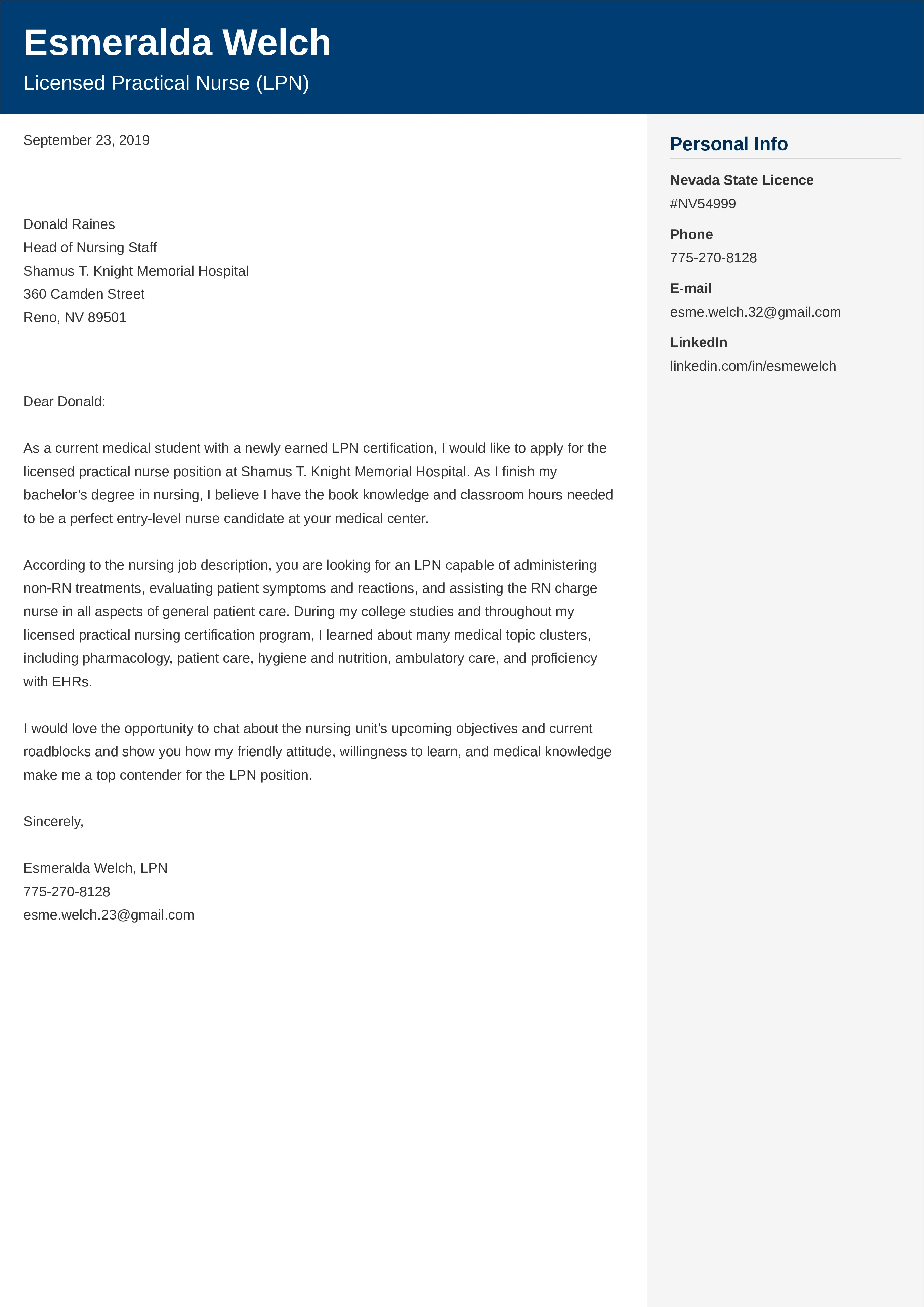
What is a Cover Letter (Overview)
A cover letter is a crucial document that accompanies your resume when you apply for a job. It serves as an introduction, a chance to showcase your personality, and a way to highlight why you are the perfect fit for the role. Unlike a resume, which is a factual summary of your experience and skills, a cover letter allows you to tell a story and connect with the hiring manager on a more personal level. Think of it as your first opportunity to make a positive impression and persuade the employer to consider you for the position. A well-crafted cover letter demonstrates your writing skills, attention to detail, and genuine interest in the job.
Why is a Cover Letter Important?
In today’s competitive job market, a cover letter can be the deciding factor in whether or not you get an interview. It provides context to your resume, explaining why your skills and experience are relevant to the specific job. A cover letter allows you to address the employer’s needs and demonstrate how you can solve their problems or contribute to their goals. It shows that you’ve taken the time to research the company and understand the role, setting you apart from candidates who submit generic applications. Additionally, a cover letter provides an opportunity to address any potential gaps in your resume or explain any career changes. Many hiring managers will not even look at your resume if there’s no cover letter.
What to Include in a Cover Letter

A compelling cover letter should include several key components to effectively communicate your qualifications and interest. Here’s a breakdown of what you should incorporate to create a persuasive document. You must start with a clear introduction that states the position you are applying for and how you found the job opening. The body should then highlight your relevant skills and experience, and clearly connect them to the job requirements. It is critical to demonstrate your enthusiasm for the company and the role, and include a call to action, encouraging the hiring manager to contact you for an interview. Keep it concise, focusing on the most important aspects of your qualifications. Proofread carefully before submitting.
Contact Information
Begin your cover letter with your contact information, including your name, phone number, email address, and optionally, your LinkedIn profile URL. This allows the hiring manager to easily reach you if they want to schedule an interview. Make sure your contact information is current and professional. It’s also a good practice to include the date and the hiring manager’s name and title, if known. If you don’t know the hiring manager’s name, use a general salutation like “Dear Hiring Manager” or “Dear [Department Name] Team.” Double-check all contact details for accuracy to avoid missed opportunities.
The Salutation
The salutation is how you greet the hiring manager. Addressing the hiring manager by name is always preferred. If you know the hiring manager’s name, use a formal salutation such as “Dear Mr./Ms./Mx. [Last Name]”. This shows you’ve taken the time to research the company and personalize your application. If you’re unsure of the name, a general salutation like “Dear Hiring Manager” or “Dear [Department Name] Team” is acceptable. Avoid overly casual greetings like “Hi” or “Hello”. Ensure your salutation matches the tone of the company and job you’re applying for.
Personalized Opening

The opening paragraph is your chance to grab the hiring manager’s attention and make a strong first impression. Start by clearly stating the position you’re applying for and where you found the job posting. Briefly mention something that attracted you to the role or the company, showcasing your genuine interest. Avoid generic openings. Instead, customize your introduction to align with the job description and the company’s values. Clearly state the position and quickly highlight your most relevant skills or experiences, creating a concise introduction that grabs the reader’s attention from the start. This sets the stage for the rest of your letter.
Showcase Your Skills and Achievements
The body of your cover letter is where you highlight your skills, experience, and achievements. Focus on the qualifications most relevant to the job requirements. Use the job description as your guide and address each of the key criteria. Provide specific examples of how you’ve demonstrated these skills in previous roles. When describing your achievements, use the STAR method (Situation, Task, Action, Result) to provide context and demonstrate your impact. Quantify your accomplishments whenever possible, using numbers and data to show your successes. Ensure your experiences align with the job description by showing why you are the right fit.
Highlight Relevant Experience
Focus on the experiences that directly align with the job requirements. Tailor your descriptions to match the language and keywords used in the job posting. Provide specific examples of how you’ve applied your skills and what results you achieved. Briefly explain your role, responsibilities, and accomplishments in each position, emphasizing the positive outcomes. Use action verbs to describe your contributions and quantify your achievements to showcase your capabilities. When highlighting experience, make sure the details are relevant and directly address the needs of the position you are applying for, and keep it succinct.
Quantify Your Accomplishments

Using numbers and data to showcase your accomplishments makes your cover letter more impactful and credible. Instead of saying “Improved customer satisfaction,” state “Increased customer satisfaction scores by 15%”. Quantifying your achievements demonstrates your ability to achieve measurable results and provides concrete evidence of your value. Use metrics like percentages, dollar amounts, and other quantifiable data to highlight your impact. This helps the hiring manager to quickly understand your contributions and the value you can bring to the role. Ensure the quantified achievements are relevant to the job requirements and demonstrate your key skills.
Express Enthusiasm for the Role
Demonstrate your genuine interest in the role and the company by expressing your enthusiasm. Show that you’ve researched the company and understand their mission and values. Explain why you are excited about the opportunity and how it aligns with your career goals. Use specific examples to illustrate your interest, like mentioning a recent company project or a product you admire. Personalize your letter by highlighting how your skills and experience will contribute to the company’s success. Expressing enthusiasm makes you stand out from other applicants and shows the hiring manager that you are eager to join their team.
Close Strong with a Call to Action
End your cover letter with a clear call to action, which encourages the hiring manager to take the next step. Express your eagerness to discuss your qualifications in an interview and provide your contact information one last time. Thank the hiring manager for their time and consideration. If you have a portfolio or other relevant materials, mention that you’ve included them. Keep the closing concise and professional, reinforcing your interest in the position. A strong call to action ensures that the hiring manager knows the next step and is more likely to contact you. Be sure to include your contact information again, and show your enthusiasm.
Cover Letter Examples for Various Job Types

Different job types require tailored cover letters that highlight the most relevant skills and experiences. Here are some examples to provide you with a strong framework. Consider the nuances of the industry and role to ensure your letter stands out. Tailor your cover letter to fit the specific requirements of the job and demonstrate your genuine interest in the opportunity. By using these examples as a starting point, you can customize your cover letter to effectively showcase your qualifications and increase your chances of landing an interview.
Entry-Level Cover Letter Example
An entry-level cover letter should focus on your skills and experiences, highlighting your education, relevant coursework, internships, volunteer work, and any other related activities. Emphasize transferable skills, such as communication, teamwork, and problem-solving. If you lack extensive work experience, showcase your passion for the field and your willingness to learn. Include any projects or extracurricular activities that demonstrate your capabilities. Explain how your skills and experiences align with the role’s requirements, making you a suitable candidate. A strong cover letter can make a difference in your first role.
Experienced Professional Cover Letter Example
An experienced professional’s cover letter should highlight a track record of success and expertise. Focus on quantifiable achievements and results. Clearly state how your experience aligns with the job requirements and what value you bring to the role. Include specific examples and data to show your impact on past projects or positions. Tailor your letter to the specific role, emphasizing your most relevant skills. Ensure that the examples demonstrate leadership and the ability to take on more responsibility. An effective cover letter highlights the value you bring.
Cover Letter for a Specific Industry

Cover letters for specific industries need to address industry-specific requirements and demonstrate an understanding of the field. If you are applying in the tech industry, you could highlight coding languages. For a creative role, present samples of your work. In the healthcare sector, you might discuss specific certifications. Research the industry and tailor your letter accordingly, showing that you understand the nuances of the field. Use the language and terminology common in that industry. By showing your industry knowledge, you can immediately gain an advantage and highlight your experience.
Cover Letter Do’s and Don’ts
To maximize the impact of your cover letter, follow these essential do’s and avoid the common don’ts. Remember, the goal is to present yourself in a positive and professional light. A well-crafted cover letter sets the stage for a successful job application and increases your chances of securing an interview. By adhering to these guidelines, you can ensure your cover letter is effective and leaves a positive impression on the hiring manager.
Proofread and Edit Your Cover Letter
Before submitting your cover letter, always proofread and edit it carefully. Errors can make you seem careless and unprofessional. Check for spelling, grammar, and punctuation mistakes. Read the letter aloud to catch awkward phrasing or sentences. Have a friend or colleague review your letter to provide an objective perspective. Pay close attention to formatting, ensuring consistency in font, margins, and spacing. A polished cover letter demonstrates your attention to detail and professionalism, making a positive impression on the hiring manager. It’s always best to have someone else read it to check for errors.
Tailor Your Cover Letter to Each Job

Never use a generic cover letter for multiple job applications. Tailor each cover letter to the specific role and company. Customize the content to match the job description, highlighting the relevant skills and experiences. Research the company and demonstrate your understanding of their mission and values. Personalize your letter by addressing the hiring manager by name, if possible. Tailoring your cover letter to each job shows that you’ve invested time and effort, making a stronger impression. By showing that you’re familiar with the company, you prove that you are invested in the position.
Formatting and Presentation
The formatting and presentation of your cover letter are crucial for making a good first impression. Use a professional font, such as Times New Roman or Arial, in a readable size (11 or 12 points). Keep the layout clean and easy to read, with clear headings and sufficient white space. Use a standard business letter format. Ensure that your cover letter is well-organized and visually appealing. A well-formatted cover letter demonstrates your attention to detail and professionalism. When formatting, ensure consistency throughout and make sure your letter is easy to read.
Cover Letter Checklist
Use a cover letter checklist to ensure you’ve included all essential elements and that your letter is polished and effective. A checklist can help you avoid common mistakes. Start with your contact information, salutation, and personalized opening. Then highlight your skills, achievements, and relevant experiences, including quantified results. Express your enthusiasm for the role and company. Close with a strong call to action and thank the hiring manager for their time and consideration. Proofread your letter carefully for any errors in spelling, grammar, or punctuation. Check for formatting consistency. Having a cover letter checklist helps you stay organized and ensures that your cover letter is as effective as possible.