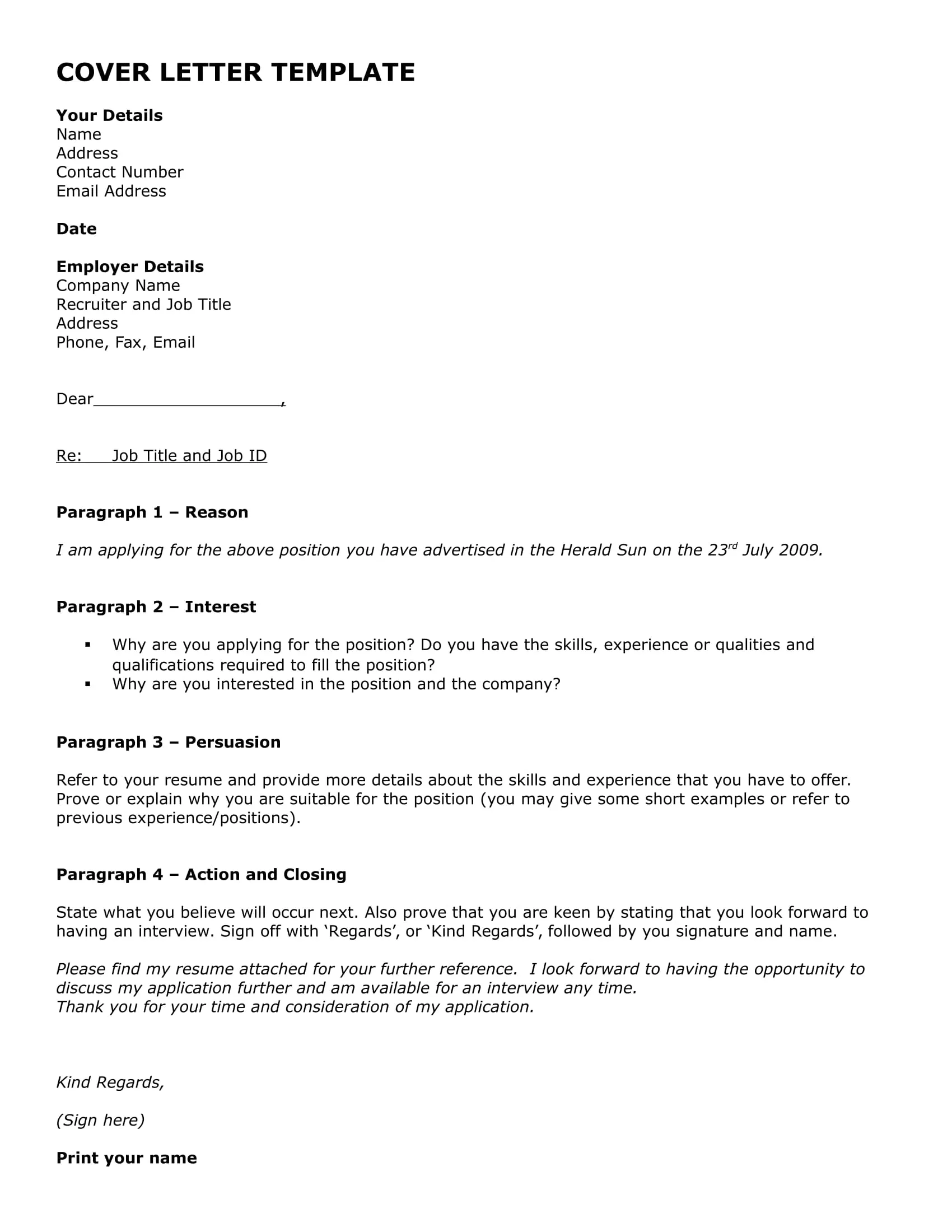
What is a Cover Letter
A cover letter is a crucial document that accompanies your resume when applying for a job. It serves as an introduction and a personalized pitch to the hiring manager, providing context and highlighting your qualifications. Unlike a resume, which is a factual summary of your skills and experience, a cover letter allows you to express your personality, demonstrate your interest in the specific role and company, and explain how your skills align with the job requirements. A well-crafted cover letter can significantly increase your chances of getting an interview by making a strong first impression and differentiating you from other candidates. It’s your chance to tell your story and showcase why you’re the perfect fit.
Why Cover Letters Are Essential
In today’s competitive job market, a cover letter is essential. It’s more than just a formality it’s your opportunity to make a memorable first impression. A cover letter gives you the space to connect your experience and skills directly to the job description, showing the hiring manager that you’ve carefully considered the role. It’s where you can explain any gaps in your employment history, career changes, or why you’re particularly passionate about the company. Moreover, a cover letter allows you to showcase your communication skills and personality, which a resume alone cannot do. Many hiring managers expect to see a cover letter, and not submitting one can signal a lack of attention to detail or a lack of genuine interest in the position. A great cover letter example, specifically one that demonstrates tailored content to the application, will stand out even further.
Cover Letter Structure

A well-structured cover letter is easy to read and leaves a positive impact. A standard cover letter generally follows a clear format that includes a header, a greeting, several body paragraphs, and a closing. Maintaining a logical flow and organized structure makes it easy for the reader to grasp your key qualifications and why you’re the right candidate. Each part of your cover letter serves a distinct purpose, from introducing yourself to highlighting your relevant skills and enthusiasm. When structuring your cover letter, always remember that it’s a professional document; keep the tone formal and clear, and always tailor it to the specific job and company.
Header
The header of your cover letter should include your contact information, such as your name, address, phone number, and email address. It should be clear, concise, and placed at the top of the document. In addition to your contact information, you might also include the date and the recipient’s information if known. Ensure that the information in your header is up-to-date and professional; a professional-looking header sets the tone for the rest of the letter. Using a standard format makes your cover letter look organized and easier for the recipient to read. If you are submitting your cover letter via email, your header should be present within the body of the email or included as part of your attached document.
Greeting
The greeting of your cover letter should be professional and courteous. Ideally, you should address the hiring manager by name. If you can find the hiring manager’s name, using “Dear Mr./Ms./Mx. [Last Name]” is the most effective. If you are unable to find the name, use a generic greeting such as “Dear Hiring Manager” or “Dear [Company Name] Hiring Team.” Avoid generic greetings, such as “To Whom It May Concern,” which can make your letter feel impersonal. Make sure the greeting matches the overall tone and professionalism of your letter. If the job advertisement lists a specific contact person, be sure to address them directly to show that you’ve paid attention to the details.
Body Paragraph 1 Highlight Your Value

In the first body paragraph, clearly state the position you’re applying for and how you found the job posting. Briefly introduce yourself and highlight your most relevant qualifications or skills that align with the job requirements. Focus on key achievements and experiences that make you a strong candidate. Demonstrate your value by showing how your skills and experience can directly benefit the company. Keep this paragraph concise, yet compelling, setting a strong foundation for the rest of your cover letter. Tailor this paragraph to match the specific requirements of the job description and the company’s values. This paragraph is about making a great first impression, showing the reader why they should read the rest of your letter. Be confident and concise.
Body Paragraph 2 Show Your Enthusiasm
In the second paragraph, elaborate on your skills and experiences, providing specific examples that demonstrate your accomplishments. Use the STAR method (Situation, Task, Action, Result) to provide detailed examples that illustrate how you’ve achieved positive outcomes in previous roles. Express your genuine interest in the company and the specific role, explaining why you’re excited about the opportunity. Highlight your knowledge of the company’s mission, values, or recent projects to show that you’ve done your research. Tailor the examples you provide to match the specific needs of the job, and emphasize what you bring to the table. Show that you’re an excellent fit for the company culture and the specific job. Focus on skills and achievements to show that you’re a great match for the role.
Body Paragraph 3 Call to Action
The third paragraph should include a strong call to action. Reiterate your interest in the position and express your eagerness to discuss your qualifications further in an interview. Clearly state your availability for an interview and provide your contact information. Thank the hiring manager for their time and consideration. Make sure your closing is professional and confident, leaving a positive final impression. Ensure you are easily accessible. It’s important to show that you are excited about the opportunity and open to a follow-up conversation. Thanking the reader again leaves a good impression and shows respect. Make the call to action clear and specific, prompting the hiring manager to take the next step.
Closing

Your closing should be professional and polite. Use a formal closing, such as “Sincerely,” “Best regards,” or “Thank you.” Below your closing, leave space for your signature, and type your full name. If you are submitting your cover letter electronically, you can either insert a scanned signature or simply type your name. Ensure your closing aligns with the tone of your letter and shows respect for the hiring manager’s time. Proper formatting and a professional closing emphasize your attention to detail and commitment to the job application process.
Different Cover Letter Examples
There are various types of cover letters, each tailored to different situations. Choosing the right format is key to highlighting your strengths and making a strong impression. Knowing the different types of cover letters will help you showcase your qualifications in the most effective way. Here are some examples.
Entry-Level Cover Letter Example
An entry-level cover letter example should focus on transferable skills, education, and any relevant experience. When applying for an entry-level position, you may lack extensive work experience, so it’s essential to highlight your academic achievements, projects, internships, and volunteer work. Emphasize your soft skills, such as communication, teamwork, and problem-solving. Show your eagerness to learn and grow within the company. If you have limited work experience, consider including a skills section to highlight what you can offer. Tailor the letter to the specific job description, demonstrating your enthusiasm and potential. Using a cover letter example doc and modifying it with the application will help create a strong starting point. It should show that you are an eager, motivated candidate.
Professional Cover Letter Example

A professional cover letter should highlight your experience and accomplishments in a way that is tailored to the job requirements. Focus on your previous roles and quantify your achievements with data. Use specific examples to demonstrate how you have contributed to the success of your previous employers. Clearly articulate your skills and expertise and show how they align with the job description. The professional cover letter should maintain a formal tone, reflecting your experience level and professionalism. Focus on results and the value you can bring to the company. Mention how your experience and achievements align with the specific job role you’re applying for and with the company culture. Highlighting your accomplishments and experience is important to showing the hiring manager that you will be a great asset to the company.
Skills-Based Cover Letter Example
A skills-based cover letter focuses on your abilities rather than your employment history. This is often helpful when you have gaps in employment, are changing careers, or have a diverse set of skills. Start by identifying the key skills mentioned in the job description, and provide examples from your experience that demonstrate those skills. Use a skills-based format to showcase how your expertise aligns with the job requirements. Highlight your transferable skills, such as leadership, communication, and problem-solving. Ensure the examples you provide are relevant to the specific job, proving that you possess the skills needed for the role. Adapt the cover letter example doc to showcase the most relevant skills to the role. This approach allows you to highlight your most important skills, even if you haven’t held a job with the exact title.
Tips for Writing a Cover Letter
Writing a compelling cover letter can be improved with some key tips. These strategies can help you make your application stand out. From tailoring your letter to the job description to proofreading carefully, these tips will help you write a better letter.
Tailor Your Cover Letter

Always tailor your cover letter to each specific job and company. Review the job description carefully, and customize your letter to reflect the key requirements. Use keywords from the job posting in your letter to show that you understand the role and the company’s needs. Research the company’s mission, values, and culture to tailor your letter accordingly. Show your genuine interest in the company by referencing specific projects, initiatives, or news. Generic cover letters that are not tailored to the job are easily detected and often discarded. Customizing your letter demonstrates your attention to detail, your interest, and your understanding of the company’s needs.
Proofread Carefully
Thorough proofreading is essential. Errors in grammar, spelling, and punctuation can damage your credibility. Before submitting your cover letter, carefully review it for any mistakes. Use spell-check and grammar-check tools, but don’t rely on them entirely. Have a friend or family member read your letter to provide feedback. Proofreading ensures your cover letter looks professional and polished. Errors can make a negative impression and diminish your chances of being considered for the job. Proofreading demonstrates that you pay attention to detail and that you’re serious about the application. Before submitting the final document, always do a final proofread. A polished document shows you put in the effort.
Use Keywords
Incorporate relevant keywords from the job description. Applicant Tracking Systems (ATS) often scan cover letters for keywords. Incorporating these keywords can help your letter get noticed. Identify the essential skills and qualifications listed in the job description and include them naturally within your letter. Avoid keyword stuffing, as this can make your letter appear unnatural and unprofessional. Integrate keywords into your sentences to demonstrate how your skills align with the job requirements. Doing so ensures that your cover letter is relevant and that it highlights the skills that the hiring manager is looking for, increasing your chances of getting an interview.