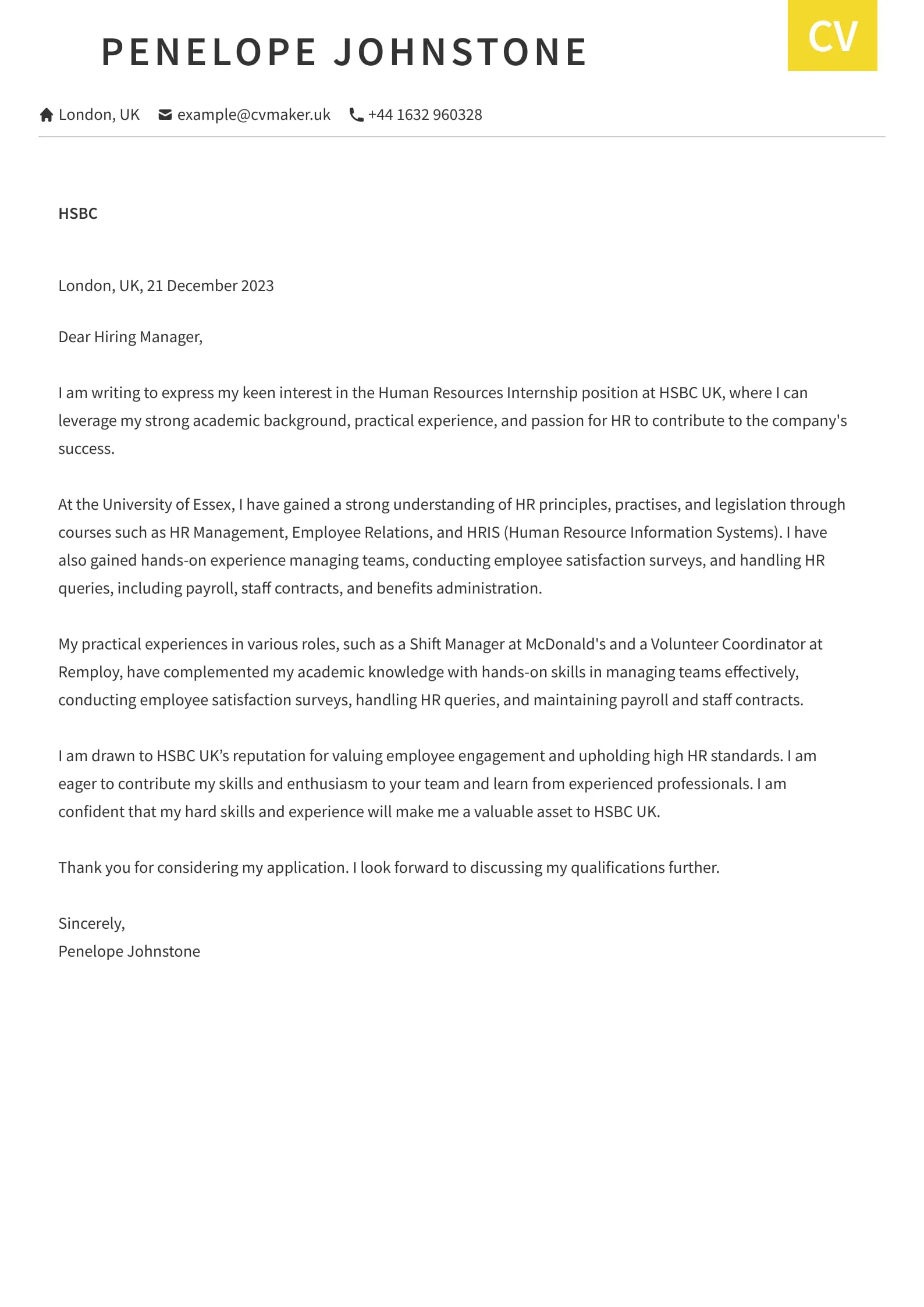
What is a Cover Letter
A cover letter is a crucial document accompanying your CV (Curriculum Vitae) or resume during a job application. It serves as a personalized introduction to the hiring manager, providing context to your application and highlighting your suitability for the role. Unlike a CV, which lists your experience and skills, a cover letter allows you to elaborate on these aspects, showcasing your personality, enthusiasm, and understanding of the job requirements. Think of it as your opportunity to make a strong first impression and persuade the employer to read your CV closely. It’s your chance to tell a story, demonstrating why you’re the perfect fit.
Why Cover Letters Matter
Cover letters provide an opportunity to differentiate yourself from other applicants. They show your genuine interest in the specific position and company, which demonstrates initiative. Employers often use cover letters to assess your communication skills, writing style, and attention to detail. A well-crafted cover letter can significantly increase your chances of getting an interview by providing a compelling narrative that complements your CV. It allows you to address any gaps in your experience or explain career transitions, helping you stand out from the competition. Ultimately, a strong cover letter can transform a standard application into a memorable one.
Highlighting Key Skills and Experience

When writing your cover letter, focus on showcasing the skills and experiences most relevant to the job description. Analyze the requirements carefully and identify the key qualifications the employer is seeking. Then, in your cover letter, provide specific examples of how you’ve demonstrated those skills in the past. Use action verbs to describe your accomplishments and quantify your achievements whenever possible. For instance, instead of saying “Managed projects,” you could say “Managed a team of five developers to successfully launch three projects on time and within budget.” This approach gives the hiring manager a clear picture of your capabilities and the value you can bring to the role.
Cover Letter Example Structure
A well-structured cover letter is easy to read and conveys your message effectively. A standard cover letter typically includes several key components: the header, the salutation, an opening paragraph, body paragraphs, a closing paragraph, and a complimentary close. Each section plays a specific role in making your application more persuasive. Adhering to a clear structure helps the hiring manager quickly understand your qualifications and how they align with the job requirements. A well-organized cover letter is a testament to your professionalism and attention to detail, making a positive impact.
Header Information
The header should contain your contact information and the date. Include your full name, address, phone number, and professional email address. Be sure that the email address sounds professional. Following this, include the date you are sending the letter. You should also include the hiring manager’s name and title, if you know it. If not, you can use the title of the hiring manager (e.g., Hiring Manager, Recruitment Team). Formatting the header correctly gives your cover letter a professional look and provides the recipient with your contact details at a glance. This also establishes the proper context for your application, showing that you have given careful attention to the details.
The Salutation

The salutation should be addressed to the hiring manager or the specific person mentioned in the job posting. If you don’t know the name, use a general salutation like “Dear Hiring Manager.” Avoid generic greetings like “To Whom It May Concern.” Personalizing the salutation demonstrates that you have taken the time to research the company and the role, and this can immediately grab the reader’s attention. It also shows your willingness to go above and beyond and create a positive impression right from the start of the letter.
Opening Paragraph Grab Attention
The opening paragraph is your chance to grab the reader’s attention and make a strong first impression. State the position you are applying for and where you saw the job posting. Briefly mention why you are interested in the role and the company, and then succinctly state your key qualifications or the most relevant skills. You should aim to pique the reader’s interest and encourage them to read the rest of your cover letter. The opening paragraph sets the tone for the entire letter, so it’s important to make it compelling and engaging.
Body Paragraphs showcasing Experience
The body paragraphs are where you showcase your skills, experience, and achievements. Use these paragraphs to elaborate on the information presented in your CV, providing specific examples of how you have demonstrated the key qualifications required for the job. You must tailor each body paragraph to the specific requirements of the role and use clear, concise language. Each paragraph should focus on a specific skill or accomplishment. Focus on what makes you unique and demonstrate how your experience aligns with the company’s needs and culture.
Quantify Accomplishments in Detail

Quantifying your accomplishments is crucial for demonstrating the impact of your work. Instead of simply listing your responsibilities, provide concrete examples of your achievements and use numbers or metrics to support your claims. For example, instead of saying “Improved customer satisfaction,” say “Increased customer satisfaction by 15% through implementing a new feedback system.” This approach makes your claims more credible and gives the hiring manager a clear understanding of your value and what you can achieve. Always try to include quantifiable data whenever possible to make your impact more compelling.
Tailoring Your Cover Letter
Avoid using a generic cover letter. Always tailor your cover letter to each specific job and company. Review the job description carefully and identify the key requirements and desired skills. Then, in your cover letter, highlight the experiences and skills most relevant to those requirements. Research the company to understand its mission, values, and culture. This demonstrates your genuine interest and commitment. Customize each cover letter to show that you are applying because you are a good fit for the role and the organization.
Closing Paragraph & Call to Action
In your closing paragraph, reiterate your interest in the position and express your enthusiasm for the opportunity. Thank the hiring manager for their time and consideration. End with a call to action, such as expressing your availability for an interview or stating that you look forward to hearing from them soon. This proactive approach demonstrates your initiative and leaves a positive impression. You also need to make sure that you thank the reader for reading your cover letter.
Formatting and Proofreading Tips

The formatting and proofreading of your cover letter are just as important as its content. A well-formatted and error-free letter shows professionalism and attention to detail. A cover letter that is easy to read and free of errors can make a positive impact. Always follow these best practices, as they will demonstrate your qualifications and value, thus boosting your chances of landing an interview.
Font Selection and Style
Choose a professional and easy-to-read font, such as Times New Roman, Arial, or Calibri. Keep the font size between 10 and 12 points. Use consistent formatting throughout your letter, including the same font, font size, and spacing. This ensures a clean and professional look. Avoid using overly decorative fonts or unusual formatting, as they can distract from your message. Maintain a professional and neat presentation that is easy on the eyes.
Proofreading and Editing for Errors
Proofreading is critical. Carefully proofread your cover letter for any spelling, grammar, or punctuation errors. Mistakes can create a negative impression and undermine your credibility. Use a spell-checker and grammar checker, but also read the letter carefully yourself, preferably aloud. Consider having a friend, family member, or career advisor review your letter as well. Ensure that your tone is professional and matches the company’s culture. A well-proofread cover letter shows your attention to detail and commitment to quality.
Cover Letter Examples

Reviewing cover letter examples can provide valuable insights into the best practices. Use these examples to understand how to structure your cover letter effectively, highlight your skills, and tailor your writing to various roles. Remember, your cover letter should be unique and reflect your experience, but learning from these examples can definitely increase your chances of getting an interview.
Example Cover Letter for Marketing Role
If you’re applying for a marketing role, your cover letter should showcase your marketing expertise and your ability to drive results. Highlight your experience with marketing campaigns, digital marketing, social media management, and content creation. Provide specific examples of your achievements, such as increasing website traffic, improving lead generation, or enhancing brand awareness. Emphasize your understanding of marketing trends and your ability to leverage them to achieve business goals. Also highlight any special certifications, like Google Ads, which could be useful.
Example Cover Letter for Software Engineer
A cover letter for a software engineer should highlight your technical skills and experience. Mention the programming languages, tools, and technologies you are proficient in. Emphasize your experience with software development, testing, and debugging. Highlight projects you have worked on and your contributions to these projects. Focus on your problem-solving abilities and your ability to work effectively in a team. Also, emphasize any special skills, such as experience with a specific software.
Cover Letter Mistakes to Avoid

Avoiding common cover letter mistakes is essential for making a positive impression. Some mistakes can immediately remove you from consideration. Always make sure that you have the best possible cover letter so that you are considered for the job.
Generic Letter
Sending a generic cover letter that is not tailored to the specific job or company. Such a letter can come across as a lack of interest or effort, and will probably lead to the letter being rejected. Hiring managers want to see that you’ve taken the time to research the company and understand the role. Personalize your cover letter to each job application, demonstrating your understanding of the company’s needs and how your skills align with their requirements.
Typos and Grammatical Errors
Cover letters that have typos and grammatical errors can be detrimental to your application. Such errors suggest a lack of attention to detail and professionalism. Carefully proofread your cover letter for any spelling, grammar, or punctuation mistakes. Use a spell-checker and grammar checker, but also read the letter carefully yourself. Have someone else review your letter for errors as well. A well-written and error-free cover letter demonstrates your competence and enhances your credibility.
Conclusion

A well-crafted cover letter is a powerful tool in your job search. By understanding its purpose, following a structured format, tailoring your letter to each role, and avoiding common mistakes, you can create a cover letter that effectively showcases your qualifications and increases your chances of landing an interview. Always remember that your cover letter is your opportunity to make a strong first impression and demonstrate your value to potential employers. Good luck!