What is a Cover Letter?
A cover letter is a crucial document that accompanies your resume when applying for a job. It serves as your introduction to a potential employer, providing an opportunity to expand on your qualifications, express your interest in the specific position, and demonstrate your enthusiasm for the company. Think of it as your personal sales pitch, designed to persuade the hiring manager to read your resume and ultimately, invite you for an interview. A well-crafted cover letter can significantly increase your chances of landing an interview, even if your resume isn’t perfect. In today’s competitive job market, a strong cover letter can set you apart from other applicants and make a lasting positive impression.
Purpose of a Cover Letter
The primary purpose of a cover letter is to introduce you to the hiring manager and explain why you are a suitable candidate for the job. It allows you to highlight specific skills and experiences that align with the job requirements, demonstrating how you can contribute to the company’s success. Furthermore, a cover letter gives you the chance to showcase your personality, writing skills, and communication style. It’s an opportunity to express your genuine interest in the role and the organization, making you more than just a list of qualifications on a resume. The cover letter also provides context to your resume, helping the hiring manager understand your career trajectory and motivations.
Key Components of a Cover Letter

A well-structured cover letter is essential to grab the hiring manager’s attention. Several key components work together to create a compelling narrative that highlights your qualifications. Each section serves a specific purpose, contributing to the overall effectiveness of the letter. Properly formatted, a cover letter provides a clear and concise presentation of your qualifications and interest in the position. Mastering the essential components is crucial for creating a cover letter that impresses.
Your Contact Information
At the top of your cover letter, include your contact information. This typically includes your full name, phone number, email address, and optionally, your LinkedIn profile URL. Ensure that the information is accurate and up-to-date. Using a professional-sounding email address is always recommended. This section allows the hiring manager to easily reach you if they are interested in scheduling an interview or requesting additional information. Your contact information is the first thing they will see, so ensure it’s clear and easy to find (cover-letter-components.webp).
Date
Below your contact information, include the date you are sending the cover letter. This helps the hiring manager understand when you applied for the position. The date should be formatted consistently with the other elements of the letter, such as the recipient’s information.
Recipient’s Information

The next section should contain the recipient’s information. This typically includes the hiring manager’s name, title, the company name, and the company’s address. Whenever possible, address the cover letter to a specific person. Researching the hiring manager’s name on LinkedIn or the company website is always a good practice. Addressing the cover letter to a specific person shows that you have taken the time to research the company and the position, and it demonstrates your attention to detail.
Salutation
The salutation sets the tone for your cover letter. The most common and professional salutation is “Dear Mr./Ms./Mx. [Last Name],” using the hiring manager’s name. If you are unsure of the hiring manager’s name, you can use a more general salutation like “Dear Hiring Manager,” or “Dear [Company Name] Hiring Team.” Avoid using outdated or overly casual salutations like “To Whom It May Concern” or “Hey.” Your salutation should be respectful and appropriate for the company culture.
Opening Paragraph
The opening paragraph is your first opportunity to make a strong impression. It should immediately capture the reader’s attention and express your interest in the position. The goal is to state the position you are applying for and where you found the job posting. A well-written opening paragraph can set the stage for the rest of your letter. You have to hook the reader’s attention to make them continue reading.
State the purpose of your letter

In the opening paragraph, clearly state the position you are applying for. Mention the job title and where you saw the job posting (e.g., LinkedIn, company website). This immediately informs the hiring manager of the role you are interested in and helps them quickly understand why you are writing. Be direct and precise about the purpose of your letter.
Highlight Your Key Skills & Experience
The main body of your cover letter should highlight your key skills and experience, demonstrating why you are a good fit for the job. This section allows you to showcase your accomplishments and explain how your qualifications align with the job requirements. The body is a great opportunity to show, not just tell, the hiring manager why you are a suitable candidate. Use this to make the most of your skills and experience (skills-and-experience.webp).
Tailor to the Job Description
Carefully review the job description and identify the key requirements and keywords. Tailor your cover letter to address these specific needs. Use the same language and terminology as the job posting when describing your skills and experiences. This shows the hiring manager that you have read the job description and understand the requirements of the position. This demonstrates that you have taken the time to understand the role and are a suitable candidate for the job.
Provide Specific Examples

Instead of simply listing your skills, provide specific examples of how you have used those skills in previous roles. Use the STAR method (Situation, Task, Action, Result) to illustrate your achievements. For example, instead of saying “I have excellent communication skills,” you could say, “In my previous role, I led a team of five, and we successfully streamlined communication processes, resulting in a 15% increase in project efficiency.” Using specific examples demonstrates your abilities and gives the hiring manager tangible evidence of your capabilities.
Showcase Your Achievements
Quantify your achievements whenever possible. Use numbers and data to demonstrate the impact of your work. For instance, instead of saying “I improved sales,” say “I increased sales by 20% in the first quarter.” Quantifiable results are much more compelling than general statements. Highlighting your achievements helps the hiring manager understand the value you bring to the table. This section is where you prove your ability to make a difference to the company.
Closing Paragraph
The closing paragraph should reiterate your interest in the position and include a call to action. This is your final opportunity to leave a positive impression on the hiring manager, so make sure it’s well-written and professional. The closing is your chance to summarize your enthusiasm and make the manager want to hire you (closing-paragraph.webp).
Express Interest in the Position

Reiterate your enthusiasm for the role and the company in your closing paragraph. Briefly summarize why you are a good fit and what you are most excited about. This demonstrates your genuine interest and reinforces your qualifications. Show the hiring manager that you are not just looking for any job but are particularly interested in this specific opportunity. Your enthusiasm for the position will increase your chances of securing the role.
Call to Action
Include a clear call to action, such as requesting an interview. State that you are available for an interview and provide your contact information again. Make it easy for the hiring manager to take the next step. You can also mention your availability for a phone call or a meeting. It shows that you are eager to move forward in the hiring process. Being proactive and making it simple to follow up increases your chances of success.
Professional Closing & Signature
Use a professional closing such as “Sincerely,” “Best regards,” or “Yours sincerely.” Then, leave space for your signature, followed by your typed name. If you are sending the cover letter electronically, you can simply type your full name. Your signature confirms your commitment and professionalism. A well-structured closing and signature complete your cover letter in a polished and professional manner.
Formatting & Presentation Tips

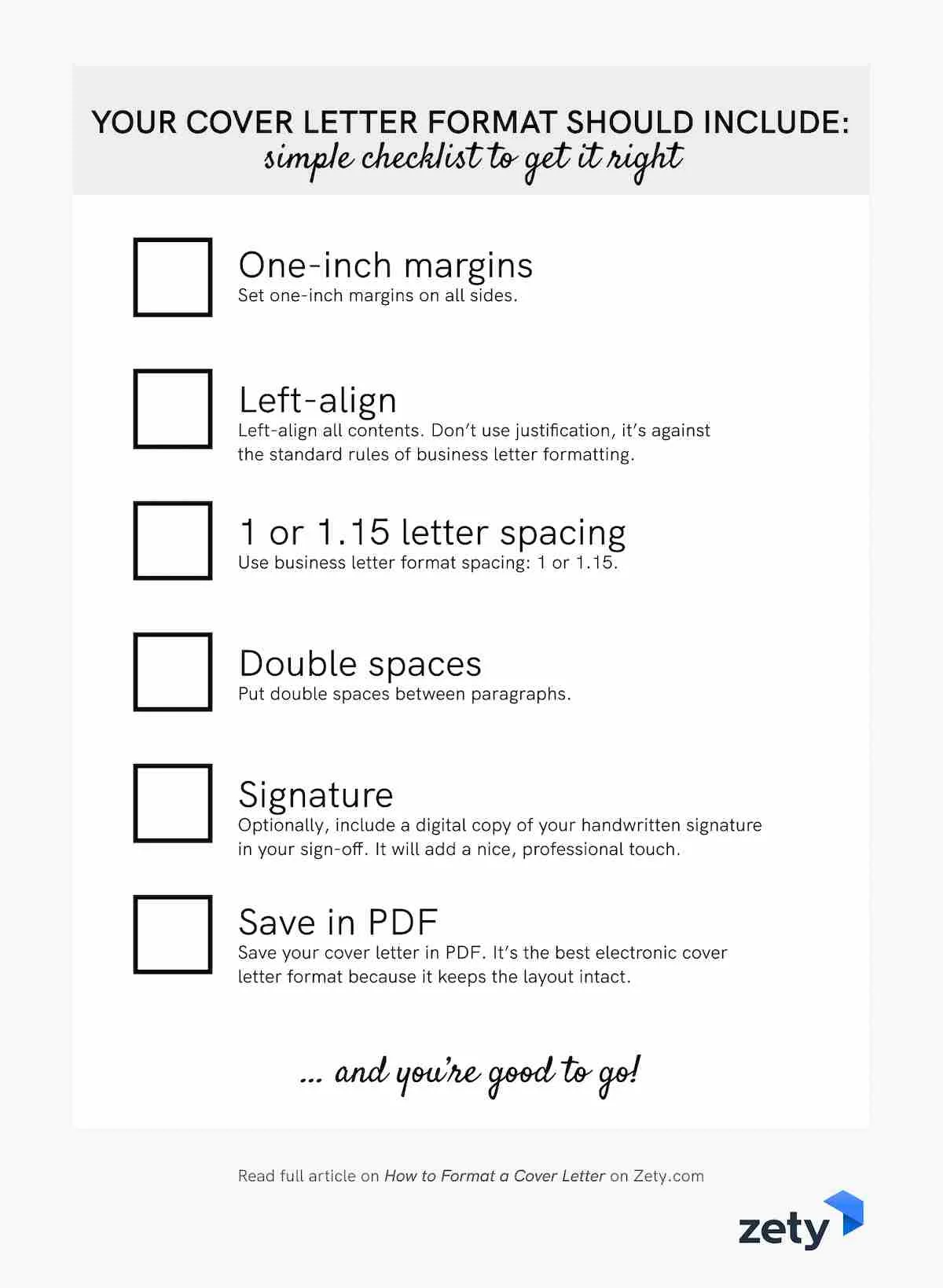
The formatting and presentation of your cover letter are just as important as its content. A well-formatted letter is easy to read and shows that you pay attention to detail. Take the time to ensure your cover letter is easy on the eyes and has a professional look. Proper formatting can significantly enhance the impact of your message.
Use a Professional Tone
Maintain a professional and respectful tone throughout your cover letter. Avoid using casual language, slang, or emojis. Use formal language and proper grammar. Be polite and courteous in your communication. Your tone should reflect your professionalism and show respect for the hiring manager and the company. The way you express yourself demonstrates your communication skills and overall professionalism.
Keep it Concise
Keep your cover letter concise and to the point. Aim for one page, focusing on the most relevant information. Hiring managers often have limited time, so make sure your letter is easy to read and quickly conveys your key qualifications. Don’t include unnecessary details or irrelevant information. Keep your message focused on what is most important and relevant to the job. A concise cover letter demonstrates your ability to communicate effectively.
Proofread Carefully
Proofread your cover letter carefully for any typos, grammatical errors, or formatting mistakes. Errors can create a negative impression and undermine your credibility. Use a spell checker and grammar checker. Have a friend or family member review your letter for a fresh perspective. Proofreading is an essential step. It ensures your cover letter is polished and error-free, showcasing your attention to detail.
Cover Letter Examples
Reviewing cover letter examples can provide valuable insights into how to structure and format your own letter. Many resources offer templates and examples tailored to different industries and job types. Cover letter examples can help you understand what a good cover letter looks like and give you ideas for expressing your qualifications. Understanding how to use templates can greatly improve the quality of your cover letter (cover-letter-templates.webp).
Where to Find Cover Letter Templates
Numerous online resources offer free cover letter templates that can help you create a professional-looking cover letter quickly. Websites like Zety, Resume.com, and LiveCareer provide templates for various industries and job roles. Using a template can save you time and ensure your letter includes all the necessary components. You can find templates that match your desired style and can be easily customized to fit your needs.
Common Mistakes to Avoid
Avoiding common mistakes is crucial to ensure your cover letter makes a positive impression. Some errors can immediately disqualify you from consideration. Be aware of these pitfalls, and take steps to avoid them. Understanding the errors helps you to present your best self and increases your chances of securing an interview. Avoiding these common mistakes will greatly enhance your application.
Generic Cover Letters
Avoid using generic cover letters that are not tailored to the specific job or company. A generic cover letter suggests that you have not taken the time to understand the role or the organization. Customize your cover letter for each job application, highlighting the skills and experiences most relevant to the position. Showing genuine interest and customization sets you apart from other applicants. A generic cover letter is a sign of lack of effort and will likely be disregarded (avoid-mistakes.webp).
Typos and Grammatical Errors
Typos and grammatical errors can undermine your credibility and make a negative impression. Proofread your cover letter carefully before submitting it. Ask someone else to review it for you as well. Errors show a lack of attention to detail, which can be a red flag for potential employers. Thorough proofreading ensures that your cover letter is polished and professional.
Ignoring the Job Description
Failing to address the requirements of the job description is a significant mistake. Your cover letter should directly reference the skills and experiences listed in the job posting. Demonstrate how your qualifications align with the job’s needs. Failing to do so shows that you may not fully understand the role or the company’s expectations. Tailoring your cover letter to the specific job requirements significantly increases your chances of being considered.