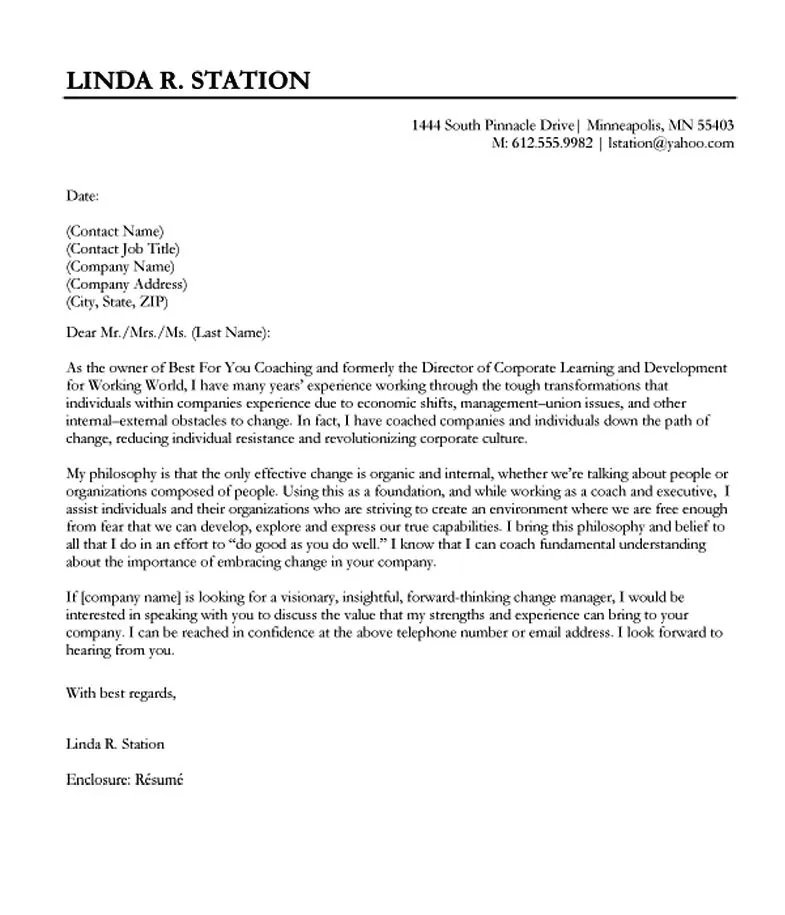
Why Your Cover Letter Ending Matters
Your cover letter ending is far more crucial than you might realize. It’s the final impression you leave on a potential employer, and it can significantly influence whether you get an interview or your application ends up in the rejection pile. Many candidates focus solely on the content of their cover letter, neglecting the power of a well-crafted conclusion. However, a strong ending can reinforce your qualifications, express your genuine interest in the role, and motivate the hiring manager to take the next step. A weak or generic ending, on the other hand, can undermine all the effort you put into the rest of your letter, leaving the reader with a lackluster impression. Understanding the importance of a compelling conclusion is the first step towards mastering the art of the cover letter ending.
The Purpose of the Cover Letter Conclusion
The primary purpose of a cover letter conclusion is to summarize your key qualifications, reiterate your interest in the position, and prompt the hiring manager to take action. Think of it as your final opportunity to make a memorable impression. It’s where you tie everything together, reinforcing why you are the ideal candidate for the job. This section should be concise, yet impactful, leaving the reader with a clear understanding of your value proposition. Furthermore, a well-structured conclusion includes a call to action, encouraging the hiring manager to contact you for an interview. The conclusion should be a strategic component of your application, designed to increase your chances of securing an interview.
Top 5 Cover Letter Ending Secrets

Here are five key strategies to create cover letter endings that make you stand out from the competition and secure your dream job. Implementing these techniques will dramatically improve your application and help you make a strong final impression. These secrets are not just about what to write but also about how to write it, ensuring your message resonates with the hiring manager and leaves a positive lasting impact. By carefully integrating these techniques, you can transform your cover letter from a simple formality to a powerful tool that opens doors to new career opportunities.
Expressing Enthusiasm and Interest
Expressing genuine enthusiasm for the role and the company is a crucial secret to ending your cover letter effectively. Use words and phrases that convey your excitement about the opportunity. Instead of simply stating that you are interested, delve into what specifically excites you. Mention specific aspects of the job description or the company’s mission that resonate with you. Tailor your enthusiasm to the specific role you are applying for; generic statements are easily spotted and can undermine the impact of your letter. Demonstrating your excitement makes you seem more engaged and motivated, significantly increasing your chances of making a positive impact.
Highlighting Your Key Skills and Achievements
The ending of your cover letter provides a final opportunity to reiterate your key skills and achievements, but do it in a way that summarizes the relevant experience and demonstrates why you are the best candidate. Briefly recap your most significant accomplishments and how they align with the job requirements. This reinforces the points you made in the body of your letter, ensuring the hiring manager remembers your qualifications. Frame your skills in terms of how you can contribute to the company’s success. This is the perfect spot to remind the reader of the value you bring and why they should consider you for an interview. Highlight those skills and experiences that set you apart.
How to Encourage a Response

A successful cover letter ending always includes a clear call to action, prompting the hiring manager to take the next step. State your availability for an interview and make it as easy as possible for the reader to contact you. This proactive approach shows your initiative and interest. Avoid sounding demanding; instead, use polite and confident language. For example, suggest a specific time to connect or express your eagerness to discuss the role in more detail. Providing your contact information again, making it easy for them to reach out, is essential. Your call to action should be tailored to the specific job and your comfort level.
Politely Requesting an Interview
Requesting an interview should be done professionally and politely. Your cover letter ending should make it clear that you are looking forward to discussing your qualifications further. Avoid being too aggressive or presumptuous. The tone should convey enthusiasm without being overly demanding. A phrase such as, “I am very interested in discussing how my skills and experience can benefit your team” is excellent. Reiterate your availability and provide a clear way for the employer to contact you, such as a phone number or email address. This adds a sense of professionalism, making it easier for them to take the next step.
Professional Closing and Contact Information
The closing of your cover letter should reflect professionalism. Use a standard closing such as “Sincerely,” “Best regards,” or “Thank you for your time and consideration.” Follow this with your full name, and ensure your contact information (phone number and email address) is easily accessible. Use a professional email address to project a professional image. Double-check your contact information to make sure everything is correct. Avoid any typos or errors in your name or contact details. This final touch makes sure the recruiter can easily follow up with you and also conveys attention to detail.
Proofreading and Formatting for Impact

Proofreading is absolutely vital before sending out your cover letter. Errors can make a negative impression, no matter how well-written the ending is. Carefully check for grammatical errors, spelling mistakes, and any inconsistencies in your formatting. Reading the cover letter aloud can help you catch issues. Ensure the tone throughout the entire letter, including the conclusion, is consistent with your overall professional style. Pay special attention to the font, margins, and spacing. A well-formatted cover letter shows that you pay attention to detail. Correct any errors you find, and make sure everything is polished before you submit it. A small mistake can negate all the effort put into crafting the perfect ending.
Avoiding Common Cover Letter Ending Mistakes
There are several common mistakes to avoid. These mistakes can diminish the impact of your cover letter and weaken your chances of success. Being aware of these pitfalls will help you craft a stronger conclusion and improve your overall application.
Generic and Weak Closings
Avoid generic closings like “Thank you for your consideration” without adding any specific details. This type of closing can make your application appear impersonal and less enthusiastic. Instead, try a closing that offers additional context or refers back to the body of your letter. Tailor the closing to the specific role you’re applying for. The best endings reflect genuine interest in the role and the company, rather than a standard formula. A personalized closing shows you have put thought and effort into your application.
Negative or Demanding Language

Avoid using negative or demanding language. Phrases that come across as aggressive or entitled can be detrimental. Do not demand an interview or express an expectation of an immediate response. Instead, use positive and confident language, such as “I look forward to hearing from you.” Show enthusiasm while being respectful. A professional tone is always best. Avoid using language that could potentially alienate the hiring manager.
Lengthy or Overly Detailed Endings
Keep your ending concise. It should be the final, concise summary of your key qualifications and a call to action. Avoid adding new information or getting overly detailed. Stick to the main points and make your message clear and direct. Long, rambling conclusions can lose the reader’s attention and diminish the overall impact. A short, well-crafted ending is much more effective. Ensure your ending is focused and to the point, without introducing unnecessary details or going on for too long.
Cover Letter Ending Examples
Here are some examples to help you craft your ideal conclusion. Each example is slightly different, depending on the type of role and the tone desired.
Example 1 Enthusiastic and Concise

“I am incredibly excited about the opportunity to contribute to [Company Name]’s innovative work in [Industry]. My skills in [Specific skill] align perfectly with the requirements outlined, and I am eager to discuss how I can leverage my expertise to achieve your goals. I am available for an interview at your earliest convenience. Thank you for your time and consideration. Sincerely, [Your Name]”
Example 2 Highlighting Skills and Call to Action
“My background in [Relevant field] and proven ability to [Key achievement] make me confident that I can make a significant contribution to your team. I am eager to learn more about this opportunity and am available for an interview next week. Please feel free to contact me at [Phone Number] or [Email Address]. Thank you for your time. Best regards, [Your Name]”
Example 3 Professional and Direct
“Thank you for considering my application. I am very interested in the [Job Title] position and believe that my skills and experience align well with your requirements. I am available for an interview and welcome the opportunity to further discuss my qualifications. You can reach me by phone at [Phone number] or via email at [Email Address]. Sincerely, [Your Name]”
Adapting Your Ending to Different Job Types
The best cover letter ending is tailored to the specific job and the industry. The approach should vary depending on the position you’re applying for, the company culture, and the industry. Adapt your ending to fit each unique situation and maximize the chances of success.
Entry-Level Positions
For entry-level positions, show enthusiasm, and highlight your willingness to learn. Focus on transferable skills and your eagerness to develop your career. Your tone should be professional but also convey your excitement for the opportunity. Express your interest in professional development and the potential growth within the company. This shows a proactive approach and the potential for long-term dedication.
Experienced Professional Roles
For experienced professional roles, focus on your proven track record and your specific achievements. Quantify your accomplishments whenever possible, such as, how you increased sales, or improved efficiency. Tailor your ending to mirror what is listed in the job description. Demonstrate how your past experiences directly relate to the new position. The ending of the cover letter should reaffirm your value and your ability to contribute to the company’s bottom line.
Remote or Hybrid Positions
When applying for remote or hybrid positions, you should express your adaptability and readiness to work independently. Briefly mention any experience with remote work or communication tools. Focus on your ability to manage time, work remotely, and be a productive member of a team, even if you are working from a distance. Highlight any specific remote work skills that are essential to the role. Make sure the tone reflects that you understand the remote or hybrid work requirements.
Cover Letter Ending Checklist
Use this checklist to make sure your cover letter ending is effective. Use this before you submit your application. This will ensure your letter is professional and impactful, and increases your chances of being called for an interview.
Reviewing Your Content
Check if you have reiterated your interest in the role and the company. Have you summarized your key qualifications and accomplishments? Do you have a clear call to action, encouraging the hiring manager to contact you? Ensure that your content reinforces the points that were made in the body of your cover letter.
Formatting and Tone
Ensure the tone is professional and reflects your personality. Check for any grammatical or spelling errors. Are all your contact details accurate and up-to-date? Review the font, formatting, and layout to guarantee a professional presentation. The correct formatting will make a positive impression and show you pay attention to detail.
Final Thoughts The Power of a Strong Cover Letter Ending
A powerful cover letter ending is a critical element for any job search. By expressing genuine enthusiasm, highlighting your key skills, and following a professional approach, you can leave a lasting impression. Avoid common mistakes and adapt your conclusion to different job types. The goal is to present yourself as a top candidate. Invest time in crafting a strong conclusion. Remember, your ending can be the difference between getting an interview and getting passed over. A well-crafted conclusion is an investment in your future career.