What is a Cover Letter for Design?
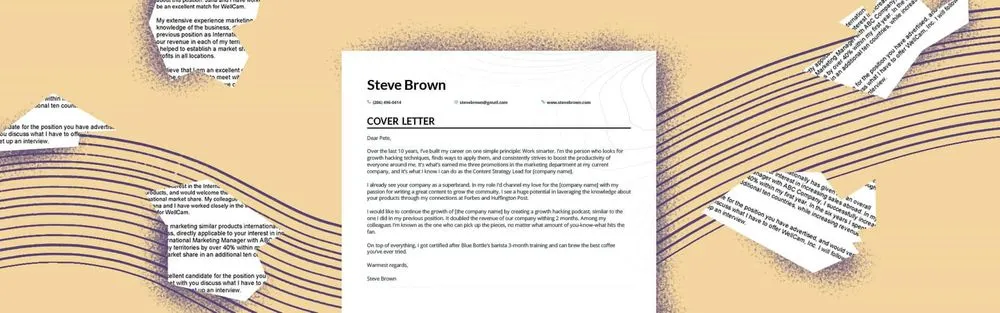
A cover letter for a design job is your first introduction to a potential employer and a critical component of your application package. It’s a one-page document that accompanies your design resume, serving as a personal pitch that highlights your skills, experiences, and personality. Unlike a resume, which provides a factual overview of your professional history, a cover letter gives you the opportunity to tell a story and demonstrate your passion for design, and the specific role you are applying for. It should showcase your design sensibility and give the hiring manager a preview of your creative capabilities. It’s not just a formality; it’s a strategic opportunity to make a strong first impression and set yourself apart from other candidates.
Why a Cover Letter Matters for Designers
In the competitive field of design, a well-crafted cover letter is essential for several reasons. First, it allows you to expand on the information presented in your resume. A cover letter provides context to your experiences and projects. Second, it demonstrates your communication skills, a crucial aspect of design roles. How you articulate your ideas and express yourself in writing reflects your ability to communicate effectively with clients and colleagues. Third, it shows that you’ve taken the time to understand the company and the specific job. Customizing your cover letter for each application demonstrates your genuine interest and attention to detail. Finally, it allows you to showcase your personality and enthusiasm, making you more memorable to the hiring manager. In short, the cover letter humanizes your application, making you more than just a list of qualifications.
Key Elements of a Design Cover Letter

A compelling design cover letter includes several key elements that work together to create a strong impression. These elements should be strategically arranged to guide the reader through your qualifications and enthusiasm. It must be concise, focused, and tailored to each job application. Remember, every detail counts, from the font choice to the tone of your writing. Let’s explore what each key section should entail, and how they contribute to the overall effectiveness of your cover letter. Following these guidelines is key to creating a cover letter that gets you noticed, and ultimately, helps you land your dream design job. By paying attention to these details, you demonstrate your professionalism and your commitment to the art and practice of design itself.
Header & Contact Information
Start your cover letter with a professional header that includes your contact information. This header typically includes your name, phone number, email address, and a link to your online portfolio. Your header should be clean, well-organized, and easy to read. Use a legible font and a simple layout to make it easy for the hiring manager to find your contact details. You should also include the date and the hiring manager’s name and title (if known) along with the company’s address. This demonstrates attention to detail and respect for the recipient, which is essential in the design field. The header sets the tone for your entire letter, so ensure it reflects your design aesthetic and professionalism.
Greeting & Introduction
Your greeting should be professional and personalized. If you know the hiring manager’s name, address the letter to them directly; otherwise, use a general greeting like “Dear Hiring Manager.” Your introduction should immediately grab the reader’s attention. Briefly state the position you’re applying for and how you found out about it. Then, provide a brief overview of your key skills and experiences. Make it clear why you’re interested in this specific job and this particular company. This will set the stage for the rest of your letter. A strong introduction creates a positive first impression and encourages the reader to continue reading. Your intro is the key to making them want to learn more about you and your design background.
Showcasing Your Design Skills

This section is where you highlight your relevant design skills. Tailor this to match the job description. Identify the specific skills the employer is looking for. Show that you possess those skills by providing examples from your past experiences. For example, if the job requires proficiency in a specific software like Adobe Creative Suite, state your level of expertise. Also, if the role requires skills in areas such as user interface design, branding, or typography, be sure to mention those and include examples of projects where you have utilized them. Try to provide a balance between technical skills and soft skills like teamwork, communication, and problem-solving. Make this section engaging and easy to read, using clear language and avoiding jargon.
Highlighting Relevant Projects
This is your opportunity to showcase your best work and bring your skills to life. Select 2-3 projects that are most relevant to the job requirements. For each project, briefly describe your role, the challenges you faced, and the solutions you developed. Quantify your accomplishments whenever possible. Did you increase user engagement? Did you improve conversion rates? Use strong verbs and specific details to make your descriptions compelling. Link to your online portfolio or provide project details in your resume. The goal is to demonstrate your design process and the tangible results you achieved. By showcasing your project work, you provide concrete evidence of your abilities and potential value to the employer. This section demonstrates that you are a doer and not just a talker.
Quantifying Your Achievements
Whenever possible, quantify your achievements. Instead of saying you improved user experience, state that you increased user satisfaction by a specific percentage. Instead of saying you created engaging content, state that your designs resulted in a certain number of leads or a specific increase in website traffic. Using numbers and data makes your accomplishments more concrete and impressive. It helps the hiring manager understand the impact of your work. Whenever possible, highlight any awards, recognition, or positive feedback you’ve received for your work. Quantifying your achievements makes your cover letter much more impactful and strengthens your case for getting the job. This is your opportunity to show the impact your design work has had on the world.
Expressing Enthusiasm & Company Alignment

Show genuine enthusiasm for the position and the company. Research the company and understand its values, mission, and recent projects. Then, explain why you want to work there and how your skills align with their goals. Mention specific projects or initiatives that resonate with you. Expressing your enthusiasm demonstrates that you’re genuinely interested in the role and that you’ve done your homework. It shows that you see yourself as a valuable asset. It also suggests that you are likely to stay with the company long term. Remember to maintain a professional tone throughout your letter while also showing that you’re excited about the opportunity.
Call to Action & Closing
End your cover letter with a strong call to action. Clearly state that you are eager to discuss your qualifications further and that you are available for an interview. Provide your contact information once more, to ensure that the hiring manager can easily reach you. Thank the hiring manager for their time and consideration. Keep your closing brief and professional, using a phrase like “Sincerely” or “Best regards.” Proofread your letter carefully before sending it. A well-written closing leaves a lasting positive impression and encourages the hiring manager to take the next step in the hiring process. This confirms to the employer that you are a serious candidate who is dedicated and invested in landing the job.
Formatting & Design of Your Cover Letter
As a designer, the formatting and design of your cover letter are just as important as the content. Your cover letter is a visual representation of your design skills. Choose a clean, professional font that’s easy to read, such as Arial, Helvetica, or Open Sans. Use a consistent font size throughout the document. Maintain a professional layout with clear headings and ample white space. Avoid cluttering the document with too much text. If appropriate, consider incorporating your personal branding or a subtle design element. The design should be aligned with the type of design work that you do. Make sure that your cover letter design is consistent with your design portfolio. The letter should show your attention to detail and your design sensibility.
Proofreading & Editing Your Letter

Before sending your cover letter, thoroughly proofread and edit it. Check for any grammatical errors, spelling mistakes, or typos. Even minor errors can detract from your professionalism and credibility. Read your cover letter aloud to identify awkward phrasing or unclear sentences. Ask a friend or colleague to review your cover letter for feedback. Fresh eyes can often catch mistakes that you might miss. Ensure that your writing is concise, clear, and easy to understand. Make sure that the content and the letter as a whole makes sense. Take the time to make sure that the letter is free of any errors. This will demonstrate your attention to detail and increase your chances of making a positive impression.
Tools to Help with Cover Letter Design
There are several tools available to help you design and write an effective cover letter. Consider using design software such as Adobe Illustrator or Canva. These tools provide templates and design elements that can help you create a visually appealing cover letter. These tools are great for creating a personalized and custom letter. Additionally, there are online cover letter builders that offer pre-written content and formatting options. They can help you generate a polished and professional document quickly and easily. Before you make your final decision, research the tools that you may use. Remember to tailor your letter to match the job you are applying for. The best tool is the one that helps you showcase your skills and personality effectively. Use these tools as a starting point and customize your cover letter to reflect your unique design style and experience.