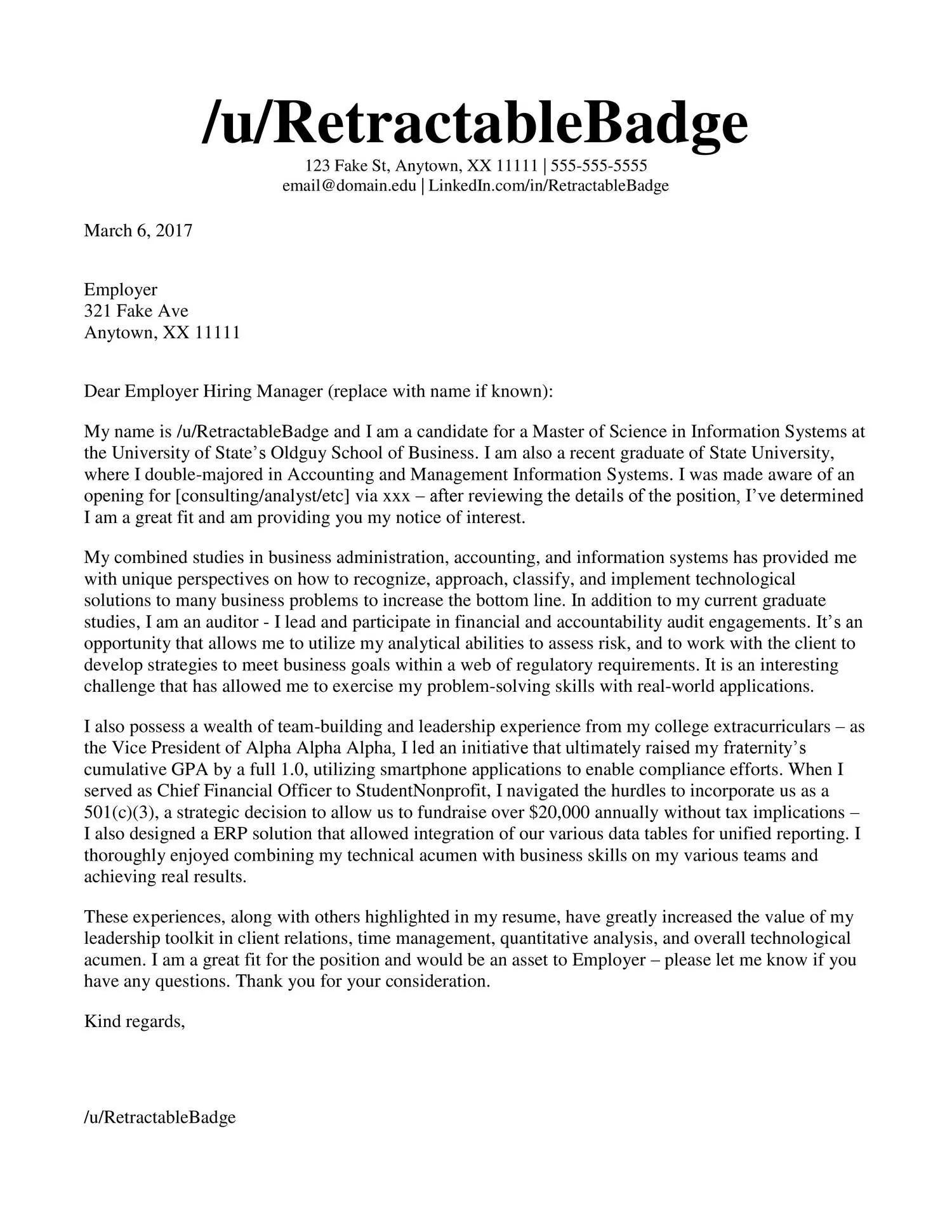
What is a Cover Letter Critique
A cover letter critique is a thorough evaluation of your cover letter, designed to identify areas for improvement. It involves a close examination of your letter’s content, structure, and overall effectiveness in conveying your qualifications and suitability for a specific job. A critique can be performed by yourself, a career counselor, a friend, or a professional service. The goal is to ensure your cover letter is polished, professional, and persuasive, giving you the best possible chance of landing an interview. A well-executed cover letter critique can significantly increase your chances of making a positive impression on potential employers and moving forward in the hiring process.
Why You Need a Cover Letter Critique
In today’s competitive job market, a cover letter is often the first impression you make on a potential employer. A poorly written cover letter can be an immediate red flag, leading to your application being overlooked. That is why a cover letter critique is so crucial. It allows you to identify weaknesses and make necessary improvements before submitting your application. A critical review can also help you tailor your letter to match the specific requirements of each job, highlighting the skills and experiences that are most relevant to the employer. Furthermore, a critique ensures your letter is free of errors and presents you in the best possible light.
Benefits of a Cover Letter Critique

The benefits of getting your cover letter critiqued are numerous. Firstly, a critique can reveal hidden flaws and areas where your writing could be stronger and more effective. Secondly, it helps you tailor your letter to the job description, showing the hiring manager that you understand their needs. Thirdly, it enhances your overall presentation and professional image, showcasing your attention to detail. Also, a critique improves the clarity and conciseness of your writing, making it easier for the reader to quickly grasp your value proposition. In essence, a cover letter critique can provide an edge, separating you from other candidates.
How a Critique Improves Your Application
A cover letter critique enhances your application by identifying areas where you can better showcase your skills and experience. By carefully examining your letter, a critique can help you demonstrate your value to the employer, making your application more compelling. The critique ensures your language is precise and tailored to the job description. It helps you highlight your key achievements, demonstrating how you can contribute to the company’s success. The review helps make your application easier for the hiring manager to read and understand. Finally, by correcting errors and improving the flow of your letter, a critique makes your application more likely to be noticed and considered.
Key Elements of a Cover Letter to Critique
When critiquing a cover letter, several key elements should be carefully examined. These include the overall structure, the clarity of the language, and the relevance of the content. The letter should be formatted professionally, free of typos and grammatical errors, and tailored to the specific job and company. It should also highlight your relevant skills and experience, demonstrating how you can meet the employer’s needs. The tone should be professional and enthusiastic, reflecting your genuine interest in the position. Remember that the letter should be concise and well-organized, making it easy for the hiring manager to quickly assess your qualifications.
Formatting and Structure

The formatting and structure of your cover letter play a critical role in how it’s received. The letter should have a professional layout, using standard fonts and clear spacing to enhance readability. The content should be logically organized, with a clear introduction, body paragraphs, and a strong conclusion. The structure of your letter should align with the job description. This helps the hiring manager easily find the information they need. The formatting should be consistent throughout the document, with proper headings, bullet points, and concise paragraphs. A well-formatted cover letter leaves a positive impression.
Introduction Paragraph Analysis
Your introduction is your first and often only chance to capture a hiring manager’s attention. A cover letter critique will scrutinize this paragraph to ensure it makes a strong first impression. The introduction should clearly state the position you’re applying for and where you found the job posting. It should also briefly explain why you are interested in the role. It should also demonstrate your understanding of the company’s needs. The introduction should be concise, compelling, and tailored to the specific job. It should set the tone for the rest of the letter, emphasizing the unique value you bring to the role.
Body Paragraph Breakdown
The body paragraphs of your cover letter should expand on your qualifications and demonstrate how your skills and experience align with the job requirements. A cover letter critique analyzes how effectively you present your key strengths. Each paragraph should focus on a specific skill or achievement, providing concrete examples of how you have excelled in the past. The critique evaluates whether you use action verbs, quantify your accomplishments, and tailor your examples to the job description. The body paragraphs should flow logically, with each one building upon the previous to create a persuasive case for why you’re the best candidate.
Highlighting Skills and Experience

When critiquing your cover letter, it’s crucial to assess how effectively you highlight your skills and experience. The critique helps you determine whether you have identified the key skills and experience the employer is seeking. Make sure you are including those details. Analyze whether you provide specific examples to illustrate your skills. It helps show the hiring manager how you applied your skills in past roles and the results you achieved. The critique ensures that you’ve tailored your examples to the job description, emphasizing the skills and experience that are most relevant. The review helps confirm that you are showcasing your abilities in a clear and compelling manner.
Quantifying Achievements
Quantifying your achievements is a powerful way to demonstrate the impact you’ve made in previous roles. A cover letter critique will review whether you’ve included quantifiable results in your letter. It will help you pinpoint where you can add numbers. The critique ensures you use metrics to showcase your accomplishments. For example, instead of saying you ‘increased sales,’ you might say ‘increased sales by 15% in one quarter.’ Use numbers and percentages, so the hiring manager can readily see your successes. Quantifying your achievements makes your cover letter more compelling.
Call to Action
Your cover letter should conclude with a clear call to action. The critique examines how effective your conclusion is. It ensures you express your enthusiasm for the position and reiterate your interest in an interview. The call to action encourages the hiring manager to take the next step. It should be polite, direct, and professional, letting the hiring manager know how to contact you. A strong call to action solidifies your candidacy.
Common Mistakes to Avoid

Several common mistakes can undermine the effectiveness of your cover letter. A cover letter critique helps you identify and avoid these pitfalls. These mistakes can range from formatting errors and grammatical mistakes to generic language and an unfocused message. By identifying these common issues, you can ensure that your cover letter presents you as a highly qualified candidate. It helps to polish your letter and strengthen your application, significantly improving your chances of landing an interview and securing your dream job.
Generic Language
One of the most common mistakes in cover letters is using generic, cookie-cutter language. Such language fails to capture the reader’s attention and shows a lack of personalization. A cover letter critique focuses on this aspect. The review ensures that your letter is tailored to the specific job and company. It eliminates generic phrases like ‘hard worker’ and ’team player’. Instead, it focuses on your unique skills, experiences, and what you can bring to the role. The critique replaces vague statements with concrete examples and quantifiable results, making your letter more compelling and demonstrating your genuine interest in the position.
Typos and Grammatical Errors
Typos and grammatical errors can instantly damage your credibility and make you appear careless. A cover letter critique is crucial for catching these errors. The critique carefully examines your letter for any mistakes in grammar, spelling, punctuation, and sentence structure. By eliminating these errors, you show attention to detail. The critique ensures your writing is professional and polished, leaving a positive impression on the hiring manager. It underscores the importance of proofreading and using tools to enhance your application.
Length and Brevity

Cover letters should be concise and to the point. A cover letter critique evaluates the length of your letter, making sure it is appropriate. The critique determines if your letter is too long, which can bore the reader. It aims to ensure that your letter gets straight to the point. Your letter should highlight your most relevant qualifications and experiences without unnecessary details. The critique helps you remove any redundancies and focus on what matters most to the hiring manager.
Where to Get a Cover Letter Critique
There are various sources where you can get a cover letter critique. It’s essential to seek feedback from reliable and knowledgeable sources. This ensures that your cover letter is well-received by potential employers. Some options include professional services, online tools, and peer review.
Professional Services
Professional career services can provide expert cover letter critiques. These services are offered by career counselors and resume writers who have in-depth knowledge of job application best practices. A professional critique ensures your letter meets industry standards, which helps you stand out. These services can provide detailed feedback on all aspects of your cover letter, including formatting, content, and tone. Professionals can also help you tailor your letter to specific job descriptions, highlighting the most relevant qualifications. The cost is usually worth the investment.
Online Tools and Resources

Many online tools and resources are available to assist with cover letter critiques. These range from automated grammar and spell checkers to more advanced tools that analyze your writing. Some platforms offer templates, examples, and guides to help you craft a compelling cover letter. These resources can provide helpful feedback on your letter. You can also search for articles, blog posts, and videos on cover letter writing best practices. Keep in mind that while these online tools can be useful, they should not replace feedback from a professional.
Peer Review and Feedback
Seeking feedback from peers, friends, or colleagues can offer another perspective on your cover letter. Ask for their honest opinions and be open to constructive criticism. A peer review can help identify areas where your letter may be unclear or confusing to others. It also ensures the tone and language are suitable. Peer feedback offers insights into the overall impression your letter makes. It is helpful to have multiple people review your cover letter. Be sure to consider their suggestions and revise accordingly.
Step-by-Step Cover Letter Critique Process
A structured approach is necessary to effectively critique a cover letter. Following a step-by-step process ensures you thoroughly evaluate all aspects of your letter. This ensures a clear and organized evaluation.
Initial Review and Overview
The initial step involves a comprehensive review of your cover letter. Begin by reading the entire letter to get a general overview of its content and flow. Then, assess the overall formatting and structure, ensuring it is clear, concise, and well-organized. Look for any glaring errors, such as typos or grammatical mistakes. This initial overview sets the stage for more detailed analysis.
Detailed Section Analysis
After the initial review, conduct a detailed analysis of each section of your cover letter. Examine your introduction to ensure it grabs attention. Analyze the body paragraphs to see if they clearly highlight your skills and experience. Assess the call to action to see if it encourages the next step. Consider the language and tone of each section, ensuring they’re consistent, professional, and tailored to the specific job. By conducting a detailed section analysis, you can identify specific areas for improvement.
Making Revisions and Improvements
Based on the feedback, make the necessary revisions and improvements to your cover letter. Focus on addressing the identified weaknesses. This includes correcting any errors, clarifying your writing, and strengthening your content. Revise your letter until you are satisfied with the results. Revisions are a crucial part of the critique process.
Final Proofreading and Editing
Before submitting your cover letter, conduct a final proofreading and editing. This step is essential to catch any remaining errors that might have been missed earlier. Carefully review your letter for any typos, grammatical errors, or inconsistencies. Ensure your formatting is consistent throughout the document. Reading it out loud helps you catch awkward phrasing. Proofreading is the last crucial step in ensuring your cover letter is polished and professional, increasing your chances of getting the job.