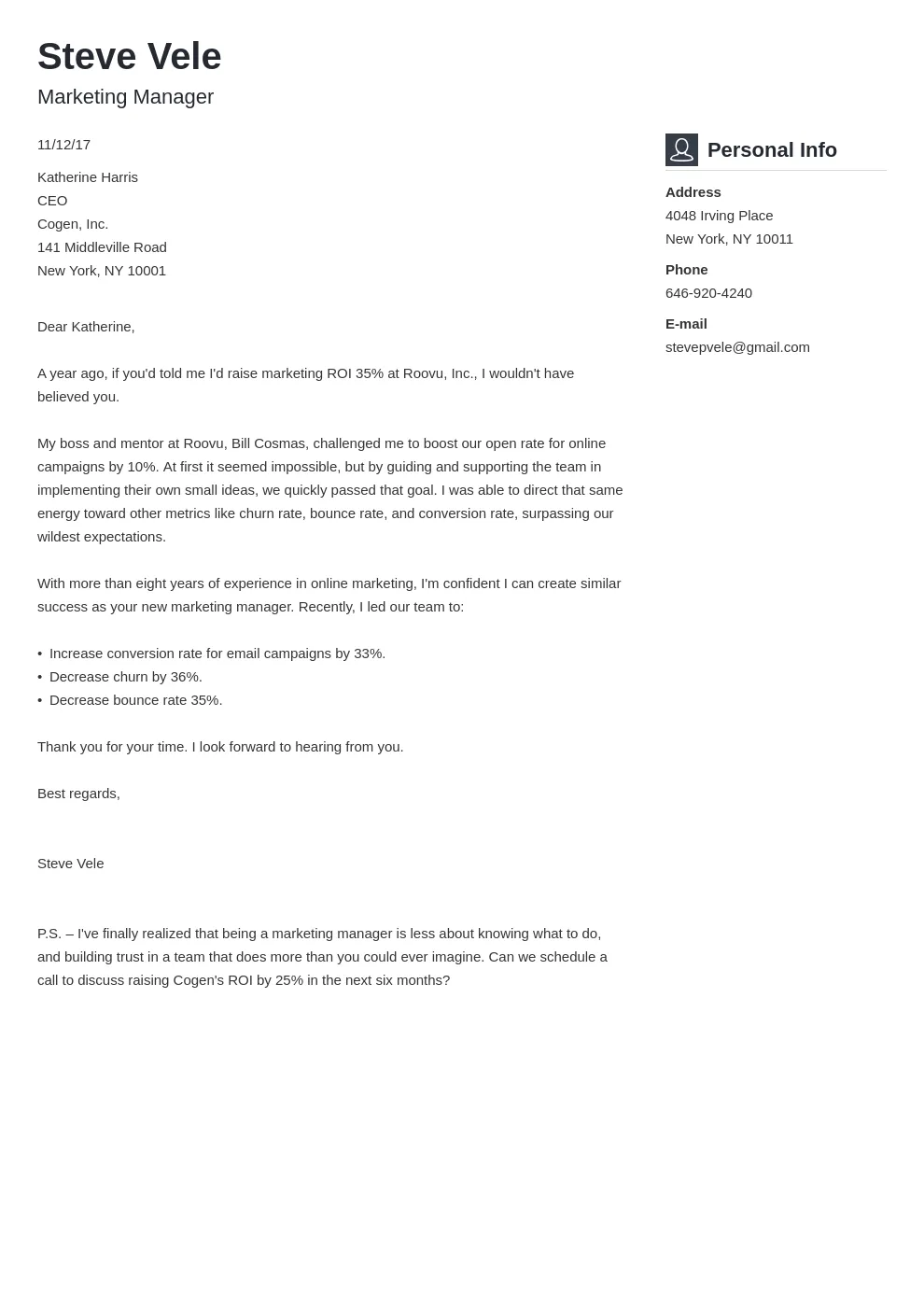
Why Your Cover Letter Closing Matters
The closing paragraph of your cover letter is your last chance to make a positive impression on the hiring manager. It’s where you reiterate your interest in the position, summarize your key qualifications, and clearly state your next steps. A well-crafted closing can significantly increase your chances of securing an interview, while a weak one could cause your application to be overlooked. Think of it as the final handshake, the opportunity to leave a lasting impact and encourage the reader to take action. This is not just a formality; it’s a critical part of your job application strategy, designed to convert interest into an interview opportunity. A strong closing demonstrates your professionalism and attention to detail, qualities that employers highly value. Failing to make a compelling closing can be a missed opportunity, so take the time to craft a message that is tailored to each application and showcases your genuine enthusiasm for the role and the company.
The Importance of a Strong Cover Letter Closing
A robust closing paragraph does more than just end your cover letter; it reinforces the key messages you presented earlier. It allows you to summarize your value proposition, which is essentially the unique skills and experiences you bring to the table. This is also the space to reiterate your interest and enthusiasm for the opportunity. The closing paragraph should be a blend of confidence and approachability, indicating your eagerness to contribute to the company’s success. A well-written conclusion encourages the hiring manager to take the next step and contact you for an interview. It is a critical element of your application, setting you apart from candidates who may have overlooked this crucial aspect. It showcases your commitment to the application process and your understanding of professional communication. This section needs to reflect your understanding of the company and the role, demonstrating your preparedness to move forward.
Cover Letter Closing Best Practices

There are several best practices to keep in mind when crafting your cover letter closing. First, always tailor your closing to the specific job and company. This demonstrates your interest and commitment. Avoid generic phrases and instead, reference something specific about the role or organization that excites you. Secondly, summarize your key qualifications in a concise and compelling way. Remind the reader of the most relevant skills and experiences you possess. Thirdly, clearly state your call to action. Tell the hiring manager what you want them to do next, whether it’s to contact you for an interview or to review your portfolio. This eliminates any ambiguity and makes it easy for them to proceed. Finally, maintain a professional tone throughout your closing. Use formal language and avoid slang or casual expressions. Proofread carefully to ensure there are no errors in grammar or spelling. A well-executed closing can significantly increase your chances of getting a job offer.
Expressing Enthusiasm in Your Cover Letter
Showing genuine enthusiasm for the position and the company is crucial in your closing. This can be achieved by using enthusiastic language and expressing excitement about the opportunity. Reference specific aspects of the role or the company that genuinely interest you. This shows the hiring manager that you have taken the time to research the position and are genuinely interested in the company. Avoid generic statements. Instead, offer specific examples of what you are looking forward to. For instance, if the company has a strong focus on innovation, express your excitement about contributing to a forward-thinking environment. This can create a strong sense of connection and leave the hiring manager with a positive impression of your interest and sincerity. Showing excitement makes you memorable and enhances your chances of getting a positive response, as people often respond to enthusiasm.
Highlighting Your Value Proposition
Your closing paragraph is the ideal opportunity to reinforce your value proposition; the unique benefits you bring to the role. Briefly reiterate your key skills and experiences, connecting them to the job requirements. Do not simply repeat your resume; instead, focus on the achievements and qualities that set you apart. Provide specific examples of how your skills have delivered results in the past. Quantify your accomplishments whenever possible to make a stronger case. For example, you can say, ‘In my previous role, I increased sales by 15% within six months.’ This demonstrates your capabilities and shows the hiring manager why you are a valuable asset. Highlighting your value proposition reinforces your candidacy and increases your chances of being selected for an interview. It reminds the reader of your key strengths and why you are the right fit for the job.
Cover Letter Closing Call to Action

The call to action is a key component of your cover letter’s closing. It is the instruction you provide to the hiring manager, guiding them on what you want them to do next. This should be a clear and direct request for an interview. Make it easy for the reader to take the next step by stating, ‘I am eager to discuss how my skills and experience can benefit your team. I am available for an interview at your earliest convenience.’ Alternatively, you could include a specific timeline or a mention of your availability. By making it clear you are looking to have a conversation, you actively encourage them to move forward. A strong call to action ensures that the hiring manager knows what to do next. It transforms your closing from a mere formality into a deliberate step toward securing a job. Your call to action should match your enthusiasm for the role and the company.
Requesting an Interview
Requesting an interview is the primary purpose of your call to action. Phrase your request professionally and confidently. Use phrases such as, ‘I am eager to discuss my qualifications further,’ or ‘I would welcome the opportunity to speak with you.’ Avoid being overly passive or assuming. Instead, be proactive and show that you are eager to take the next step. If possible, suggest your availability for an interview. This shows that you are prepared and ready to move forward. You can say, ‘I am available for an interview next week and can easily accommodate your schedule.’ By clearly stating your desire for an interview, you signal your confidence and interest in the role. The goal is to make it as easy as possible for the hiring manager to invite you to the next stage of the hiring process. Make sure to provide contact information to enable a quick response.
Providing Contact Information
While your contact information is typically included in the heading of your cover letter, it’s also helpful to briefly reiterate it in your closing. This ensures that the hiring manager can easily reach you when they are ready to schedule an interview. Include your phone number and email address. It helps to ensure a quick response. You can also mention that you are readily available by phone or email. Make sure that all your contact details are accurate and up to date. Double-check them to avoid any potential issues. Make sure your voicemail message is professional and that you check your email regularly. Providing this information gives the reader a clear path to contact you, reducing potential delays and making the process more efficient. This simple addition is often overlooked but it is a vital part of your application.
Cover Letter Closing Common Mistakes to Avoid

Avoid common mistakes that could undermine your cover letter’s closing. Firstly, do not use generic phrases such as ‘Thank you for your time and consideration’ without tailoring them to the specific job. Instead, find something particular that shows your interest. Secondly, do not make a negative statement or apology. Refrain from making statements like, ‘I may not have all the qualifications, but…’ Always highlight your strengths and demonstrate your value. Thirdly, avoid repeating the same information from your resume. Your cover letter should supplement your resume, not repeat it. Instead, use the closing to show how your skills apply to the specific job. Fourthly, do not end your cover letter abruptly. Provide a clear call to action and express your enthusiasm. By avoiding these common pitfalls, you can ensure that your closing makes a positive impact. This will increase your chances of getting an interview and landing your desired job.
Examples of Effective Cover Letter Closings
Here are some examples of effective cover letter closings. ‘I am excited about the opportunity to contribute to [Company Name]’s mission of [mention something specific]. I am available for an interview at your earliest convenience and can be reached at [phone number] or [email address].’ This example expresses enthusiasm, states your call to action, and provides contact information. Another example: ‘Thank you for considering my application. I am confident that my skills in [skill 1] and [skill 2] align well with the requirements of this role. I look forward to hearing from you soon.’ This highlights your value proposition. A further example is: ‘I am eager to discuss how my experience in [relevant experience] can benefit your team. Please feel free to contact me at [phone number] or [email address] to schedule an interview.’ These examples all incorporate essential elements for success, clearly showing your interest in the job and including clear contact information. Tailor the wording to the specifics of each job to stand out.