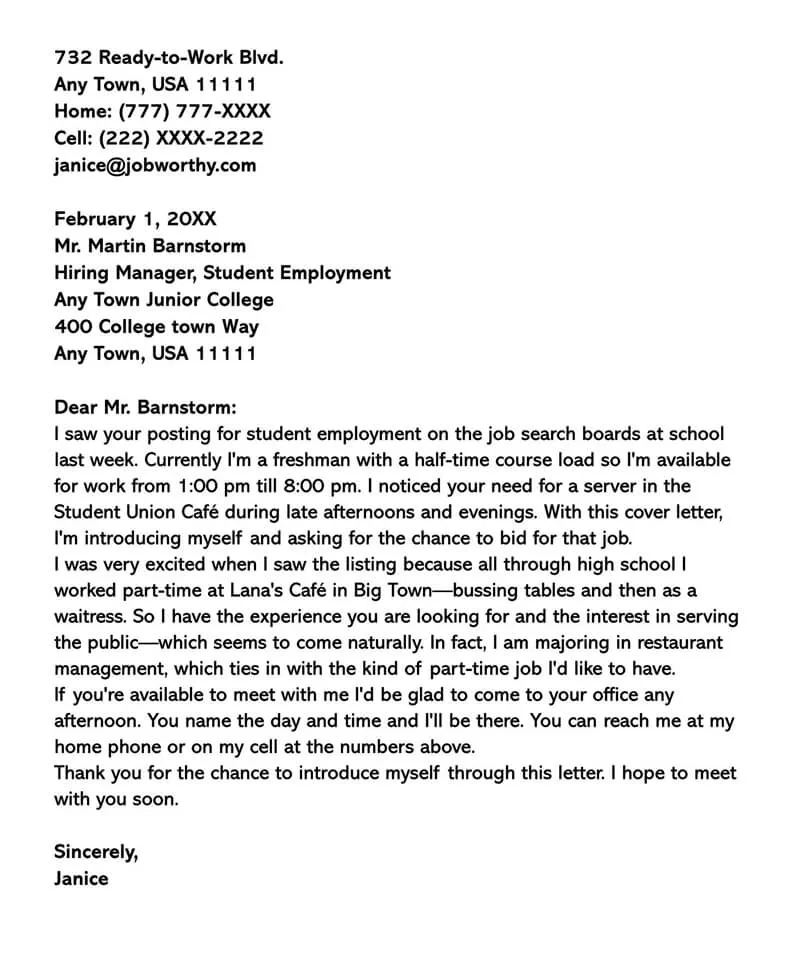
Crafting Your Cover Letter
Returning to the workforce after raising a family can feel daunting, and your cover letter is your first opportunity to make a strong impression. It’s a chance to articulate your experience, demonstrate your commitment, and explain your career break with confidence. Begin by clearly stating the position you’re applying for and where you found the opportunity. Immediately highlight your enthusiasm and reiterate your interest in the role. Remember that a well-crafted cover letter is a tool to make yourself stand out from other applicants who have never left the workforce. It helps you create a positive narrative around your return, highlighting the value you bring to the table. The cover letter should also be a demonstration of your communication skills, organizational abilities, and your understanding of professional norms. This approach will set a confident tone from the start.
Highlighting Your Skills
Even though you’ve been away from a traditional work environment, you’ve likely developed or honed a wealth of skills during your time raising a family. Think about the responsibilities you’ve undertaken. Managing a household, organizing schedules, budgeting, and problem-solving are all transferable skills that employers value. Your cover letter is a great opportunity to showcase these abilities. For example, if you’ve managed a household budget, you can highlight your financial management skills. If you’ve coordinated activities, mention your organizational prowess. If you’ve volunteered, describe the tasks and responsibilities involved, emphasizing what you achieved and the skills you used. Make sure to align your skills with the job description. Identify the key requirements and then connect your experience, whether gained in a professional or personal setting, to those needs. Use action verbs to describe what you’ve done. Don’t just state your skills; demonstrate them.
Addressing the Career Gap

Addressing the career gap is a crucial part of your cover letter, but it doesn’t need to be a source of anxiety. The goal is to provide a concise and positive explanation of your time away from paid work. Be honest but frame your experience in a way that emphasizes growth and learning. Briefly mention your responsibilities and how they provided you with valuable life experiences. Avoid any negativity or defensiveness. Instead, focus on what you’ve gained. This might include new perspectives, increased organizational skills, or improved time management abilities. You could also mention any professional development you pursued during your break, such as online courses, volunteering, or freelance work. Emphasizing these activities proves your commitment to staying current in your field and shows you’re proactive about your career. A clear and confident explanation helps to alleviate any concerns a potential employer might have about your extended absence from the workforce. This also shows resilience and initiative.
Showcasing Your Achievements
Your cover letter is also a chance to highlight your achievements, even if those achievements come from non-traditional settings. Think about any volunteer work, projects, or activities that demonstrate your skills and capabilities. Have you successfully managed a community project? Did you lead a fundraising campaign? Have you acquired new skills through online courses or workshops? Quantify your achievements whenever possible. For instance, if you volunteered, mention the number of hours you contributed, the amount of money you helped raise, or the number of people you supported. Such details give concrete evidence of your capabilities and help you make your claims. Also, include any awards, recognitions, or positive feedback you received. Even seemingly small accomplishments can be impressive when presented in a professional context. This approach not only strengthens your application but also rebuilds your confidence, reminding you of your value as a professional.
Tailoring Your Cover Letter
Each cover letter should be customized for the specific job you’re applying for. Generic letters are easy to spot and often fail to impress. Always read the job description carefully and identify the key skills and requirements. Then, structure your cover letter to showcase how your skills and experiences align with those needs. Use the same keywords from the job description. This helps the hiring manager quickly understand that you’re a strong fit. Mention specific projects, experiences, or skills that directly relate to the role. Research the company and tailor your letter to reflect its values and culture. If possible, address the hiring manager by name. This shows you’ve taken the time to do your homework and are genuinely interested in the opportunity. Tailoring demonstrates that you understand the company’s needs and are committed to making a valuable contribution. This attention to detail significantly increases your chances of getting an interview.
Formatting Your Cover Letter

Proper formatting is crucial for making a positive impression. Choose a professional and easy-to-read font like Arial, Calibri, or Times New Roman with a font size between 10 and 12 points. Use clear headings and spacing to organize your content. Keep the letter concise, ideally one page long. Avoid large blocks of text. Break up paragraphs into smaller, easily digestible sections. Use bullet points to highlight your skills and achievements. Ensure your cover letter is visually appealing and easy to scan. Pay attention to your margins and alignment. Use a standard business letter format with your contact information at the top, the date, the hiring manager’s name (if known), and a professional closing. Proofread your cover letter carefully to ensure it is free of errors. A well-formatted cover letter shows you pay attention to detail, take your application seriously, and are capable of producing professional-quality work.
Proofreading Your Cover Letter
Proofreading is the final step in creating an effective cover letter, and it’s essential for catching errors that can undermine your application. Read your cover letter carefully, paying attention to grammar, spelling, punctuation, and sentence structure. Even small mistakes can create a negative impression. Use a spell-checker and grammar-checker, but don’t rely on them completely. Read your letter aloud to catch awkward phrasing or run-on sentences. Ask a friend, family member, or career advisor to review your cover letter for you. A fresh pair of eyes can spot errors that you might miss. Ensure your contact information is correct and up-to-date. Double-check the hiring manager’s name and company information. A perfectly proofread cover letter demonstrates professionalism, attention to detail, and respect for the opportunity. This final check can make all the difference in landing an interview.
Writing a cover letter after a career break requires careful planning and execution. By crafting a compelling cover letter that highlights your transferable skills, addresses your career gap, showcases your achievements, and is tailored to the specific role, you significantly increase your chances of returning to the workforce. Always remember to proofread the document before submission. With confidence and careful preparation, you can create a cover letter that highlights your unique experiences and demonstrates your readiness to re-enter the professional world. Good luck on your journey back to work.