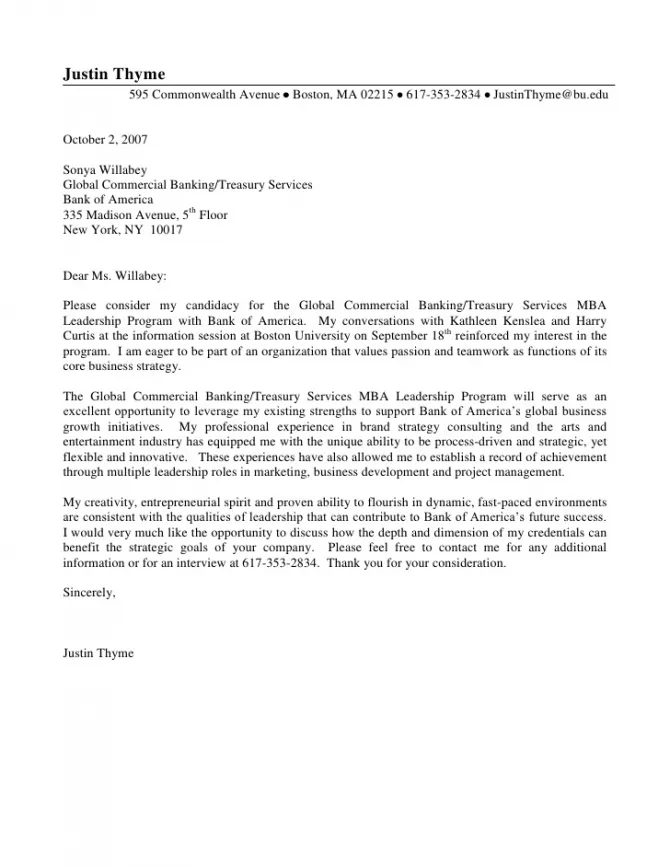
Commercial Banking Cover Letter How To Guide
A commercial banking cover letter is your first introduction to a potential employer, a crucial document that can open doors to your desired career. It’s more than just a formality; it’s a strategic tool to showcase your suitability for a commercial banking role. This guide will walk you through creating a compelling cover letter that highlights your skills, experience, and enthusiasm, significantly increasing your chances of landing an interview. We’ll cover everything from understanding why a cover letter is essential, to the key components, structure, and formatting, culminating in how to submit your application effectively.
Understanding the Importance of a Cover Letter
A well-crafted cover letter is an essential part of your job application, offering a unique opportunity to communicate your passion for the commercial banking sector. It allows you to introduce yourself, express your interest in the specific role, and demonstrate how your skills and experience align with the company’s needs. A cover letter is where you can articulate your understanding of the role, the industry, and the company’s values, all while making a memorable first impression. Neglecting this crucial document means missing a golden opportunity to distinguish yourself from other applicants.
Why a Cover Letter Matters in Commercial Banking

In the competitive world of commercial banking, a cover letter provides context to your resume, revealing your motivations and aligning your qualifications with the specific demands of the role. It shows the hiring manager that you’ve taken the time to understand the company, the position, and how you can contribute to its success. The cover letter allows you to personalize your application and create a narrative that a resume alone cannot, thus showcasing your personality, communication skills, and genuine interest in the opportunity. It’s your chance to set the stage and make a strong case for your candidacy.
Key Elements of a Strong Cover Letter
A compelling cover letter is a concise yet persuasive document. It needs to be well-structured, highlighting your relevant experiences and clearly articulating your value proposition. A strong cover letter includes essential elements such as your contact information, the recipient’s details, a professional salutation, a compelling introduction, a clear articulation of your skills, and an enthusiastic conclusion. By paying close attention to each component, you’ll present a well-rounded picture of your suitability for the commercial banking position.
Your Contact Information and Date
Start your cover letter with your contact information. Include your full name, address, phone number, and email address. Then, add the date below this information. Ensure your contact details are professional and up-to-date. This is the first piece of information a hiring manager will see, making it vital to establish your professionalism from the start.
The Recipient’s Information

Always address your cover letter to a specific person whenever possible. Research the hiring manager’s name and title. If you cannot find a specific name, use a professional title such as “Hiring Manager” or the title of the role you are applying for, followed by the department or company name. Using a name adds a personal touch and shows that you’ve taken the time to learn about the company and who you are addressing.
Crafting the Perfect Salutation
Choose a professional salutation, such as “Dear Mr./Ms. [Last Name]”. Avoid generic greetings like “To Whom It May Concern.” If you don’t know the name, “Dear Hiring Manager” is acceptable. Your salutation sets the tone for the rest of your letter, so choose carefully. This approach shows respect and attention to detail, indicating that you’re prepared to engage professionally.
Highlighting Your Skills and Experience
Showcase the most relevant skills and experiences from your resume, tailoring them to fit the job description. Focus on how your abilities align with the requirements of the commercial banking position. Use strong action verbs to describe your accomplishments, and be specific about what you achieved. Don’t simply list your responsibilities; demonstrate how your skills and experiences have led to measurable results or positive outcomes.
Showcasing Relevant Experience

Select experiences that directly relate to the commercial banking role. Briefly describe your responsibilities in previous roles and focus on the achievements that align with the job description. When listing experience, prioritize what’s most relevant to the employer’s needs. This could include experience in financial analysis, client relationship management, loan processing, or any other skills outlined in the job posting. Show how you applied your skills in real-world situations.
Quantifying Achievements
Quantify your achievements with numbers and data whenever possible. Instead of saying you “managed a team,” state the size of the team you managed and any improvements or results achieved, such as an increase in productivity or a reduction in costs. For example, if you improved client satisfaction, state the percentage increase. Quantifiable results provide concrete evidence of your capabilities and make your cover letter more compelling and believable.
Tailoring to the Specific Role
Adapt your cover letter to match the specific requirements of each job application. Review the job description carefully and identify the key skills, experiences, and qualities the employer is seeking. Then, highlight how your qualifications align with those specific needs. This shows that you’ve taken the time to understand the role and the company’s expectations, significantly increasing your chances of getting noticed. Always customize your letter; a generic one will not make a strong impression.
Researching the Company

Research the company before writing your cover letter. Understand its mission, values, recent projects, and financial performance. Mention specific details in your letter to show that you’ve done your homework and genuinely want to work there. This demonstrates your interest and provides talking points to show you would be a valuable asset. Researching the company can be easily done through their website, LinkedIn, or industry publications.
Demonstrating Your Enthusiasm
Express your enthusiasm for the role and the company. Explain what attracts you to commercial banking and why you’re excited about this particular opportunity. Show that you’ve researched the company and are eager to contribute. Injecting a touch of your personality helps make your letter more engaging and memorable. A sincere demonstration of enthusiasm can set you apart from the crowd.
Structuring Your Letter Effectively
A well-structured cover letter is easy to read and navigate. The opening paragraph should immediately capture the reader’s attention, the body paragraphs should provide detailed information about your qualifications and experience, and the closing paragraph should reiterate your interest and call for action. Consider the flow of the information and ensure that each section builds on the previous one.
The Opening Paragraph

Start your cover letter with a compelling opening paragraph that states your purpose and grabs the reader’s attention. Mention the specific position you’re applying for, where you found the job listing, and a brief statement about why you’re interested. This paragraph should be concise and professional, setting a positive tone for the rest of your letter. It is your chance to make an immediate impact, so focus on making it strong.
The Body Paragraphs
In the body paragraphs, delve deeper into your skills, experiences, and qualifications. Use specific examples to demonstrate your achievements and how they align with the job requirements. Break your experience into manageable sections, each focusing on a different aspect of your suitability for the role. The body paragraphs should be the most detailed part of your letter, illustrating your understanding of the role and providing support to your claims.
The Closing Paragraph
In the closing paragraph, reiterate your interest in the position and the company. Express your enthusiasm and thank the hiring manager for their time and consideration. Include a call to action, such as stating that you’re eager to discuss your qualifications in an interview. Conclude with a professional closing, such as “Sincerely” or “Best regards,” followed by your name.
Formatting and Proofreading

Proper formatting and meticulous proofreading are essential for a polished cover letter. Poorly formatted letters or those containing errors can create a negative impression, undermining your credibility. Always pay attention to detail, and ensure your letter is error-free and easy to read. Proper formatting is key for a strong presentation of your value to potential employers.
Choosing the Right Format
Use a professional and clean font such as Times New Roman, Arial, or Calibri. Ensure your font size is between 10 and 12 points. Use standard 1-inch margins and single-spacing for the body of your letter. Keep your letter concise—ideally, no more than one page. The format should be easy on the eyes and enhance readability. Ensure your formatting is consistent throughout the document.
Proofreading for Errors
Proofread your cover letter carefully for any grammatical errors, spelling mistakes, and typos. Have a friend or colleague review your letter as well, as a fresh pair of eyes can catch errors you might miss. Ensure that all names, titles, and company names are spelled correctly. Error-free content will make a professional impression. Remember that a cover letter is your chance to show off your attention to detail.
Finalizing and Submitting Your Cover Letter
Once your cover letter is complete and proofread, it’s time to finalize and submit it. Ensure your letter is saved in the correct format, and follow the application instructions carefully. This section covers the final steps needed to ensure your cover letter makes the best possible impression.
Saving Your Cover Letter
Save your cover letter as a PDF file to ensure that your formatting remains consistent across different devices and operating systems. Use a clear and professional file name, such as “Your Name_Cover Letter_Commercial Banking”. This is a crucial step to ensure the hiring manager receives the document as you intended and also keeps your application organized.
Submitting Your Application
Follow the application instructions meticulously. If the job posting specifies a particular method for submitting your cover letter (e.g., through an online portal, email), adhere to those guidelines. Always attach your cover letter and resume as requested, and use the correct file formats. Submitting your application correctly shows that you can follow directions and pays attention to details. It is a great way to demonstrate your professionalism from the start.