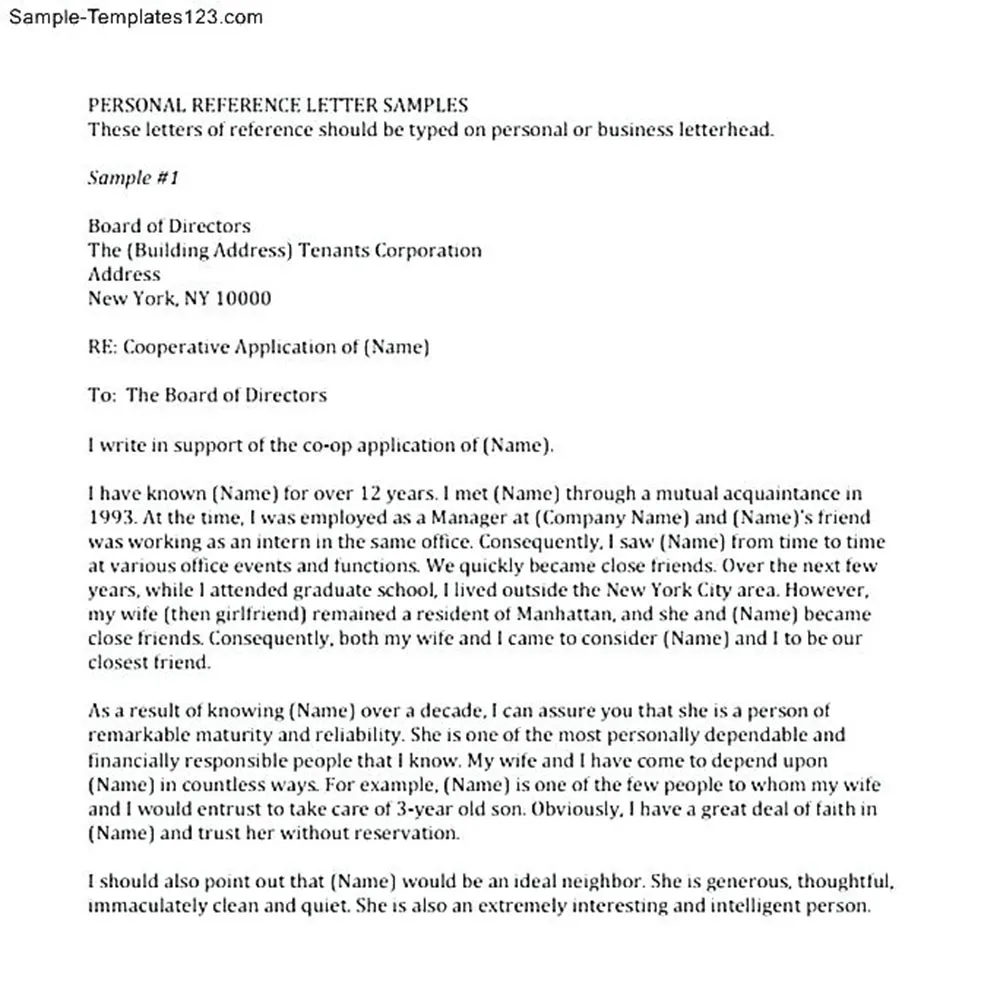
Understanding the Co-Op Board Application Process
Navigating the co-op board application process can feel like a daunting task, but understanding its nuances is the first step towards success. Unlike purchasing a condominium, buying into a co-operative (co-op) requires approval from a board of directors. This board meticulously reviews potential shareholders, ensuring they align with the community’s standards and financial stability. The application package, a comprehensive compilation of financial records, references, and personal statements, is the key to demonstrating your suitability. This process is designed to protect the existing residents and maintain the value and harmony of the co-op. A well-crafted cover letter is your opportunity to make a positive first impression and stand out from other applicants. Preparing for the interview is equally important; it is the final stage of the process to show your personality and background.
Why a Cover Letter Matters
In a competitive market, a cover letter serves as your personal introduction to the co-op board. It is more than just a formality; it is a chance to express your personality and provide context to the information in your application. While the financial documents and references provide factual data, your cover letter allows you to tell your story and demonstrate why you would be an excellent addition to the community. It is your opportunity to connect with the board on a personal level, showcasing your enthusiasm for the co-op and your commitment to being a responsible shareholder. A strong cover letter can significantly impact the board’s initial perception of you, setting the stage for a positive outcome.
Highlighting Your Qualifications

Your cover letter should directly address the co-op board’s primary concerns: your financial stability, lifestyle compatibility, and commitment to the community. Highlight your financial responsibility by summarizing your income, savings, and any other financial assets. It is equally important to express your enthusiasm for the co-op and demonstrate how your lifestyle aligns with the community’s values. This includes mentioning your interest in the building’s amenities, your respect for the rules and regulations, and your desire to be a positive contributor. Mentioning any prior experience with co-ops can be really helpful, and make sure the board knows that you are prepared to be a responsible shareholder.
Crafting a Compelling Cover Letter
The structure and content of your cover letter are critical to its effectiveness. A well-organized letter, with a clear introduction, body paragraphs, and a concise conclusion, will capture the board’s attention. Your language should be professional, polite, and enthusiastic, reflecting your sincere interest in the co-op. The key is to be authentic and avoid sounding generic or overly formal. Make your cover letter unique to the specific co-op you are applying for by referencing its particular qualities and amenities. Tailoring your letter to each application demonstrates that you have done your research and are genuinely interested in the property.
Header and Introduction
Begin your cover letter with a professional header, including your contact information, the date, and the co-op board’s address. Address the letter to the board president or the appropriate contact person if known. In the introduction, state the purpose of your letter: to apply for ownership in the co-op. Briefly introduce yourself and express your enthusiasm for the property. Make a strong first impression by demonstrating your immediate interest and excitement about the opportunity. This sets a positive tone for the rest of your letter and makes the board want to know more about you.
Body Paragraph 1 Your Background and Financial Stability

In the first body paragraph, provide a brief overview of your background, including your profession, employment history, and any relevant experience. This is your chance to show your suitability as a potential co-op owner. Highlight your financial stability by mentioning your income, savings, and any other assets. Reference your financial records that are in the application package. Reassure the board of your ability to meet the financial obligations of ownership. Be transparent and honest about your financial situation, and provide any context or explanation that is needed. Demonstrate your trustworthiness and reliability by mentioning your credit history and current financial status. These are some of the most important things the board will need to know about you.
Body Paragraph 2 Community Involvement and Lifestyle Fit
In the second body paragraph, focus on your lifestyle and how it aligns with the co-op community. Mention any interests or hobbies that resonate with the property or the surrounding area. Highlight your respect for the rules and regulations of the co-op, emphasizing your commitment to being a responsible shareholder. If you have experience living in a co-op or condo before, mention that too. It is also important to mention why you want to live in this specific co-op. Demonstrate your desire to be a positive contributor to the community and highlight any volunteer or community involvement. This paragraph is your chance to showcase that you have done the research and can see yourself living in the building.
Body Paragraph 3 Reasons for Choosing the Co-Op
In the third body paragraph, explain why you have chosen this particular co-op. Reference specific features and amenities that attract you to the property. This shows that you have done your research and are genuinely interested in the building. Mention any aspects of the co-op that appeal to you, such as its location, architecture, or community atmosphere. If you have visited the property or spoken with residents, mention your positive impressions. Customize your response to show the board that you’re not just sending a generic letter but are specifically interested in their property. This will greatly improve your chances of getting approved.
Body Paragraph 4 References and Contact Information

In your final body paragraph, mention that you have included references in your application. You can briefly introduce your references by mentioning their profession or your relationship. Reiterate your contact information and express your availability for an interview or any further questions. Thank the board for their time and consideration. Express your enthusiasm for the opportunity to become a shareholder in the co-op. This paragraph should leave the board with a positive and confident impression of you.
Closing and Signature
End your cover letter with a polite and professional closing, such as “Sincerely” or “Respectfully”. Sign your name and type it below your signature. If you are sending a physical letter, make sure to sign it in ink. Double-check that your contact information is accurate and easy to read. Proofread your letter one last time to ensure there are no typos or grammatical errors. A well-written closing and signature complete the professional appearance of your cover letter and leave a lasting positive impression.
Essential Elements of a Successful Cover Letter
Several elements contribute to a successful cover letter. The tone and language should be professional, yet personable. Formatting and presentation matter; a clean, well-organized letter is more appealing. Proofreading and editing are non-negotiable; typos can make a bad impression. By paying close attention to these details, you can increase your chances of success and getting approved by the board.
Tone and Language

The tone of your cover letter should be professional, respectful, and enthusiastic. Avoid overly formal or casual language. Use clear, concise sentences and avoid jargon or slang. Make sure your letter reflects your personality and sincerity. The goal is to convey your genuine interest in the co-op and your eagerness to join the community. Positive language can set the tone for everything you say to the board.
Formatting and Presentation
Format your cover letter professionally. Use a standard font, such as Times New Roman or Arial, and a consistent font size (11 or 12 points). Use standard margins (1 inch on all sides) and single-space your text, with a double space between paragraphs. Make sure your letter is easy to read and visually appealing. Ensure the letter is well-organized with clear headings and subheadings. Presentation matters, because you want to show your attention to detail. A well-formatted letter demonstrates your professionalism and respect for the board’s time.
Proofreading and Editing
Proofreading is crucial; review your letter multiple times to catch any typos, grammatical errors, or inconsistencies. Check your spelling and grammar using a grammar checker tool. Ask a friend or family member to read your letter and provide feedback. Ensure your cover letter is polished and error-free. A polished and well-edited letter shows that you care about the details and that you have taken the time to prepare a professional application. The board will notice and appreciate your attention to detail.
Common Mistakes to Avoid

Avoiding common mistakes can significantly improve your cover letter’s effectiveness. These mistakes can create a negative impression or even disqualify your application. Addressing these issues shows the board you are taking the application seriously. Always take the time to proofread and make sure your letter is up to standards. These mistakes are easily avoidable and can make all the difference.
Ignoring the Board’s Specific Instructions
Always carefully review the co-op board’s application instructions. Ensure you meet all requirements and address any specific requests. Ignoring these instructions can demonstrate a lack of attention to detail, which could raise concerns with the board. Tailor your cover letter to each co-op. Don’t use a generic cover letter. Show the board that you’ve done your research and understand their specific requirements. Show that you can follow directions by doing what the board wants.
Being Dishonest or Exaggerating
Be honest and truthful in your cover letter. Avoid exaggerating your qualifications or misrepresenting your financial situation. Co-op boards conduct thorough background checks, and any discrepancies can lead to rejection. Your goal is to build trust and confidence. The board will appreciate your transparency and integrity. Demonstrate that you are trustworthy and reliable by being upfront about everything.
Lack of Professionalism

Present your cover letter professionally. Avoid using casual language, slang, or unprofessional formatting. Use a formal tone, appropriate grammar, and a professional font. Make sure your letter is well-organized and easy to read. Use clear and concise language that conveys your points effectively. A well-written, professional cover letter will increase your chances of a successful application. It shows that you respect the board and are serious about the co-op.
Sample Co-Op Cover Letter
While I cannot provide a specific sample, researching and customizing a cover letter template is highly recommended. There are resources and examples available online. Always tailor the example to the specific co-op you are applying to. By creating a customized cover letter, you can show the board that you are serious about the co-op and that you care about all of the details. This can show the board that you will be a great shareholder.