Understanding the Role of a Caregiver
A caregiver provides assistance to individuals who need support with daily living activities. This can include the elderly, people with disabilities, or those recovering from illness or injury. The role of a caregiver is incredibly rewarding, offering the opportunity to make a real difference in someone’s life. Even without direct experience, a caregiver must demonstrate empathy, patience, and a genuine desire to help others. The responsibilities are diverse, ranging from providing physical assistance to offering emotional support. Understanding the scope of this role is the first step in crafting a cover letter that highlights your potential and eagerness to learn and grow. Caregivers can work in various settings such as private homes, hospitals, assisted living facilities, and more. It is important to research and understand the specific needs of the care recipient.
Skills to Highlight in Your Cover Letter
While direct experience may be lacking, numerous skills are transferable and highly valued in caregiving. These skills can be derived from previous jobs, volunteer work, or even personal experiences. Identifying these transferable skills and showcasing them in your cover letter is crucial. Think about instances where you’ve demonstrated responsibility, communication, problem-solving, and organizational abilities. Consider any experiences where you’ve had to assist others, whether it’s helping a family member, volunteering at a community center, or participating in team projects. These experiences showcase attributes essential for providing care and building trust. Highlighting these qualities will significantly increase your chances of landing an interview.
Emphasizing Transferable Skills

Transferable skills are abilities that can be used in various job roles. For caregiver positions, these skills can be related to communication, organization, and compassion. If you have experience in customer service, for example, highlight your ability to communicate clearly and patiently, and your problem-solving skills. Detail any times you have successfully managed difficult situations or handled sensitive information. If you have volunteered at a community center, mention your ability to work in a team. Showcasing your adaptability, such as working on different projects, taking initiative, and resolving issues, can give you a significant advantage. Provide specific examples that demonstrate your skills, rather than just listing them. Quantify your accomplishments whenever possible to make your skills more impactful. For example, if you’ve assisted someone with medication, quantify the frequency and types of medication.
Highlighting Personal Qualities
Personal qualities are equally important in caregiving. Compassion, patience, empathy, and reliability are fundamental. In your cover letter, emphasize your ability to connect with people on a personal level. Describe situations where you demonstrated empathy, understanding, or a willingness to go above and beyond to help someone. If you have a genuine desire to improve others’ quality of life, make sure this comes across in your writing. Mention instances where you have demonstrated patience, for example, helping someone complete a task that required extra time and attention. Remember, these qualities are not always easy to quantify, but they are crucial to effectively provide care. Personal experiences, like caring for a family member or friend, are excellent examples. Be authentic and let your personality shine through in your cover letter.
Structuring Your Caregiver Cover Letter
A well-structured cover letter is essential to create a positive first impression. Structure your letter with a clear header, a professional greeting, a concise body that highlights your skills and enthusiasm, and a strong closing. Keeping the letter concise and easy to read is essential, typically one page long. Use clear language and avoid jargon. Always tailor your cover letter to each job application, rather than using a generic template. This demonstrates genuine interest in the position and a willingness to learn and adapt. Proofread the entire letter thoroughly to ensure there are no spelling or grammatical errors. The structure allows the hiring manager to easily read your letter, and find the information that will compel them to contact you.
Header and Contact Information

Start with a professional header that includes your name, address, phone number, and email address. Make sure the contact information is accurate and up-to-date. Place the header at the top of the letter, ideally left-aligned. Ensure that your email address sounds professional. Avoid using nicknames or informal language in your email address. If you have a LinkedIn profile, you can also include the link to your profile in the header. The header allows the hiring manager to easily reach out to you for interviews.
Greeting the Hiring Manager
Address the hiring manager by name if possible. Research the company and find out who is responsible for reviewing applications. Using the person’s name shows that you have taken the time to prepare the application. If you cannot find the hiring manager’s name, use a professional greeting like ‘Dear Hiring Manager’ or ‘Dear [Company Name] Hiring Team’. Avoid generic greetings such as ‘To Whom It May Concern’. Always spell the name correctly and double-check the company name as it could easily be mistaken. This will reflect your attention to detail. This establishes a sense of professionalism from the start, and immediately grabs the attention of the reader.
Writing the Body of Your Cover Letter
The body of your cover letter is where you showcase your skills, qualifications, and enthusiasm. The body should be concise and divided into paragraphs. It should consist of an opening statement, a section that highlights relevant skills, a section that showcases your enthusiasm, and a concluding paragraph. Each paragraph should be concise, highlighting different aspects of your qualifications and interests. The goal is to show the hiring manager why you are the perfect candidate, and how you can contribute to the company. Using proper formatting helps the hiring manager easily understand your qualifications. Make sure the body is easy to read, and has clear, concise sentences, while remaining professional.
First Paragraph The Opening Statement

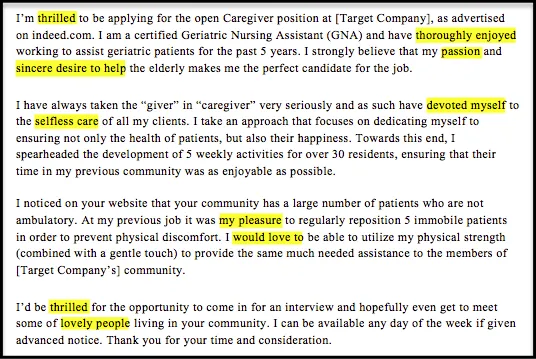
Start with a strong opening statement that captures the reader’s attention. State the position you are applying for and where you found the job posting. Express your interest in the caregiver position and the company. Briefly mention your key skills or qualities that make you a suitable candidate. This introductory paragraph should encourage the hiring manager to read the rest of the cover letter. Be enthusiastic and show your passion for providing care. Your opening statement is the first impression you make, so make it count.
Second Paragraph Highlighting Relevant Skills
Use this paragraph to highlight your relevant skills. This is where you present the transferable skills that make you a good fit, even without direct experience. Describe the experiences that have equipped you with the necessary qualities to be a successful caregiver. Emphasize skills such as communication, empathy, patience, problem-solving, and reliability. Provide specific examples of situations where you demonstrated these skills. Back up your claims with anecdotes that are concise. Show, don’t just tell; the more specific and detailed you are, the better. Use quantifiable achievements such as the number of people helped or tasks completed. These examples demonstrate what you can bring to the role.
Third Paragraph Showcasing Your Enthusiasm
Show your genuine interest in the caregiving role and the organization. Explain why you are drawn to the profession. Highlight any research you have done about the company. Express your understanding of the role and the specific needs of the individuals you will be supporting. Mention specific ways you can contribute to the team. If you know anyone who works at the company, mention them as well, provided they have given you permission to do so. Your enthusiasm will demonstrate your passion for the role. This will persuade the hiring manager that you are a good fit. Show that you have put a lot of thought into this role.
The Closing Paragraph

In your closing paragraph, summarize your key strengths. Reiterate your interest in the position and your eagerness to contribute to the company. Express your gratitude for the hiring manager’s time and consideration. State your availability for an interview and how they can contact you. Thank the hiring manager again. The closing paragraph is as important as the opening paragraph, as it is the last thing they read about you. Make a positive impression to make sure you land the job.
Proofreading and Editing Your Letter
Proofreading and editing are essential steps in the writing process. Carefully review your cover letter for any spelling, grammar, or punctuation errors. Use a spell checker and grammar checker, but don’t rely on them entirely. Read your cover letter aloud to check for awkward phrasing or unclear sentences. Have a friend or family member read your cover letter and provide feedback. Look for any inconsistencies in the information. Ensuring your letter is error-free demonstrates professionalism and attention to detail. Errors create negative impressions. Be sure to review your letter several times, and even set it aside for a day to allow for a fresh perspective. The objective is to create a polished, error-free document. Proofreading is crucial.
Common Mistakes to Avoid
Certain mistakes can significantly reduce your chances of getting hired. Avoid generic cover letters. Always tailor your letter to each job. Do not use jargon or overly complex language. Keep your language concise. Avoid negative language. Don’t focus on what you lack. Focus on your strengths and transferable skills. Never include any information that is untrue. Avoid excessive length; keep your cover letter to one page. Ensure your tone is professional, and enthusiastic. By avoiding these common pitfalls, you can create a cover letter that stands out. Highlight your potential, and secure an interview.
Tailoring Your Cover Letter to Each Job
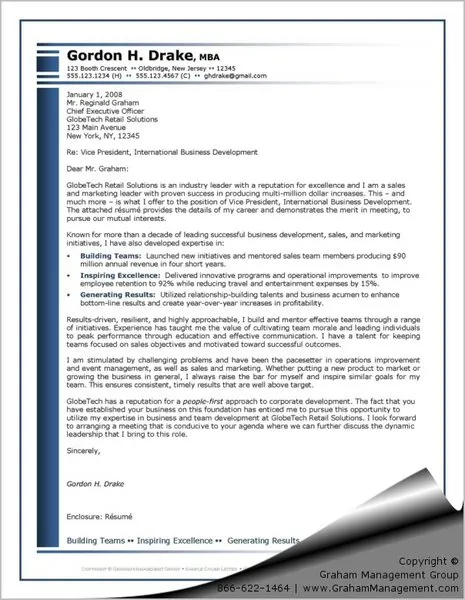
Customizing your cover letter for each job application is vital. Research the company and the specific requirements of the position. Carefully read the job description. Identify the key skills and qualifications the employer is seeking. Highlight your relevant skills and experiences, and tailor your letter to match those requirements. Mention the company by name. This demonstrates your understanding of the role and a genuine interest in the organization. Showing how your skills and experiences align with the company’s needs increases your chances of getting an interview. Tailoring shows that you are taking the time to personalize your application. This demonstrates your understanding of the job and employer.
Following Up After Submitting Your Application
Follow up with the hiring manager a week or two after submitting your application. This demonstrates your continued interest in the position. Send a brief email reiterating your interest. Reiterate your skills. If possible, include a reminder of how your skills are a good match for the role. Always be polite and professional. This shows your initiative and strong interest in the role. This increases your visibility. It provides an opportunity to further demonstrate your enthusiasm. By following up, you reinforce your interest in the role.