Why Your Cover Letter Salutation Matters
The salutation of your cover letter is the first thing a hiring manager sees, immediately setting the tone for the rest of your application. It’s your first opportunity to make a positive impression and demonstrate that you’ve paid attention to detail. A well-crafted salutation shows professionalism and respect, while a generic or inappropriate one can quickly land your application in the “rejected” pile. In a competitive job market, where hundreds of applications are received for each position, every detail counts. An effective salutation shows you care enough to personalize your letter, making you stand out from the crowd. It’s a small detail that can significantly impact how your entire application is perceived, demonstrating your commitment and thoroughness to the hiring team. Your salutation should reflect the level of formality and the specific requirements for the job application. For instance, a cover letter applying for a position within the legal field may need a much more formal salutation.
The Impact of a Strong Cover Letter Salutation
A strong salutation sets a positive tone and shows you’ve done your research, indicating that you’re serious about the opportunity. This personalization shows you’re not just sending a generic application. It also shows that you understand the company culture and value the individual reading your letter. This simple act can demonstrate a high level of attention to detail and the level of professional understanding the applicant has for their potential employment. On the other hand, a poorly chosen salutation can create a negative impression. Using the wrong greeting, or worse, the wrong name, signals a lack of attention to detail and a lack of respect for the hiring manager’s time. It can also signal a lack of care in the application process, which is not the impression you want to create. Moreover, the tone of the salutation should match the overall tone of the cover letter, the company culture, and the job you’re applying for, to avoid giving a confusing impression. This alignment makes your application more persuasive.
Best Cover Letter Salutations: Specific Examples

Choosing the right salutation depends on whether you know the hiring manager’s name. If you do, it’s best to use a direct greeting. ‘Dear Mr./Ms./Mx. [Last Name]’ is the most professional and personal. If you’re applying for a role where formality is crucial, ‘Dear’ is the best choice. If the company has a more casual culture, ‘Hello’ or ‘Hi’ followed by the name may be suitable. For less formal settings, you might choose ‘Hello’ or ‘Hi’ followed by the hiring manager’s name. Ensure you’re using the correct title and spelling the name correctly. It’s vital to double-check these details. It is always the best option to make sure that your application is completely perfect and professional. If you are uncertain, a quick LinkedIn search will usually provide the necessary information.
Greetings to Use When the Hiring Manager is Known
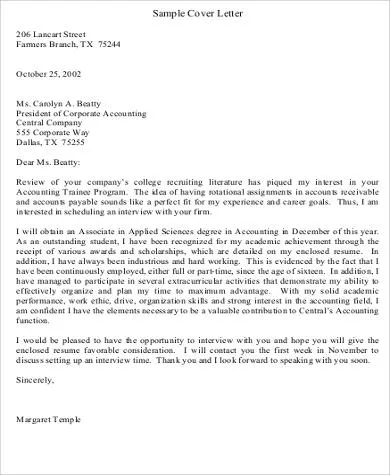
When you know the hiring manager’s name, personalize your salutation. Use ‘Dear Mr./Ms./Mx. [Last Name]’. This shows you’ve done your research and are addressing the letter specifically to them. This also increases the chance that the hiring manager will read your application and review it with proper understanding. If you’re unsure of their gender, ‘Dear [First Name] [Last Name]’ is a safe bet. It’s crucial to get the name and title right. Misspelling or using the wrong title can create a negative impression, so make sure that you have proofread the cover letter completely. Using the hiring manager’s name is essential to showing that you’ve put effort into the application process. This personal touch makes your application stand out from generic cover letters, boosting your chances of getting noticed.
Greetings to Use When the Hiring Manager Isn’t Known
When the hiring manager’s name isn’t available, your options are limited, but you still have several professional choices. ‘Dear Hiring Manager’ is a safe and widely accepted option. It is important to note that there are many alternative ways to make sure you catch the hiring manager’s eye. If the job posting specifies a department, use ‘Dear [Department Name] Hiring Team’. If you’re applying to a specific team, you can tailor your salutation to reflect that. The aim is to make the letter as relevant as possible to the job. Avoid generic greetings that might seem impersonal or lack relevance, like ‘To Whom It May Concern.’ Ensure the greeting is specific and reflects the company culture and the job. Researching the company culture can give you the information needed to make the right choice. This helps you avoid mistakes and ensures your letter is professional.
Alternatives to Common Salutations

While ‘Dear Hiring Manager’ is acceptable, you can use alternative approaches. ‘Greetings,’ ‘Hello,’ or ‘Good Morning/Afternoon’ followed by the department or team can also work. These options are slightly less formal and may suit companies with a more relaxed culture. It is important to use common sense when determining the best salutation. If the job posting mentions a specific contact person, consider ‘Dear [Job Title]’. This can be a strategic move, as it shows you’ve noted the job posting’s information carefully. The key is to match the tone and level of formality to the company culture, which you can usually gauge by visiting the company’s website and social media profiles. When in doubt, opt for the most professional greeting. If you’re applying via email, you can also use a straightforward approach like ‘Subject’ followed by a brief summary, especially if the job posting specifies a direct contact. Ensure that the information is as up-to-date as possible.
Salutations to Avoid in Your Cover Letter
Some salutations can damage your application, so you must avoid them. The most common mistake is using ‘To Whom It May Concern.’ This is impersonal and suggests you haven’t bothered to research the company or the hiring manager. Avoid using outdated or overly casual greetings like ‘Hey’ or ‘Hi there,’ unless the company culture is extremely informal, which is rare. Also, avoid addressing your cover letter in a way that is too vague, such as ‘Dear Sir or Madam’. Always use the correct name and title. If the role is very formal, ensure the information is up-to-date and as appropriate as possible. Make sure that the salutation matches the tone of the rest of your cover letter and the job posting. This consistency is important to show that you understand the role. Always proofread your cover letter and ensure it reflects your professionalism.
Cover Letter Salutation Do’s and Don’ts
To make a positive impression, follow a few key guidelines. Do research the hiring manager’s name whenever possible, and use a specific greeting, like ‘Dear Mr./Ms./Mx. [Last Name].’ Use formal titles and spell names correctly. Ensure your greeting aligns with the company’s culture. Do personalize your salutation to show you’re committed to the role. Don’t use overly casual or generic greetings unless the company specifically encourages that type of behavior. Avoid vague or impersonal salutations like ‘To Whom It May Concern’. Avoid misspellings and grammatical errors. Check every detail, proofread and review your cover letter to ensure a professional appearance.
Tailoring Your Salutation to the Job and Company

Adjust your salutation to fit the job and company. Research the company culture, so your greeting matches the company’s atmosphere. If the company is formal, a formal salutation is appropriate. In a more casual setting, a less formal approach might be suitable, but always ensure it’s professional. Analyze the job posting for any hints about the company’s communication style. If the job description mentions a specific contact person or team, target your greeting toward them. If you are uncertain, always err on the side of formality. Adaptability is key in a professional environment, and customizing your salutation demonstrates your understanding of these expectations. This will help the hiring team understand that you understand the expectations and will set the stage for a successful application.
Using the Right Salutation: A Summary
The right salutation is more than a mere formality; it’s a reflection of your professionalism and attention to detail. By choosing the correct salutation, you make a positive first impression and improve your chances of securing an interview. Always research the hiring manager’s name, but if the information isn’t available, stick to professional alternatives. Match your greeting to the company culture and the job requirements. Be precise, make sure you are using accurate information, and tailor your salutation to the company and the opportunity. When you customize your approach, you show respect and make a lasting impression. A well-chosen salutation helps your application and shows the hiring manager you are serious about the role.