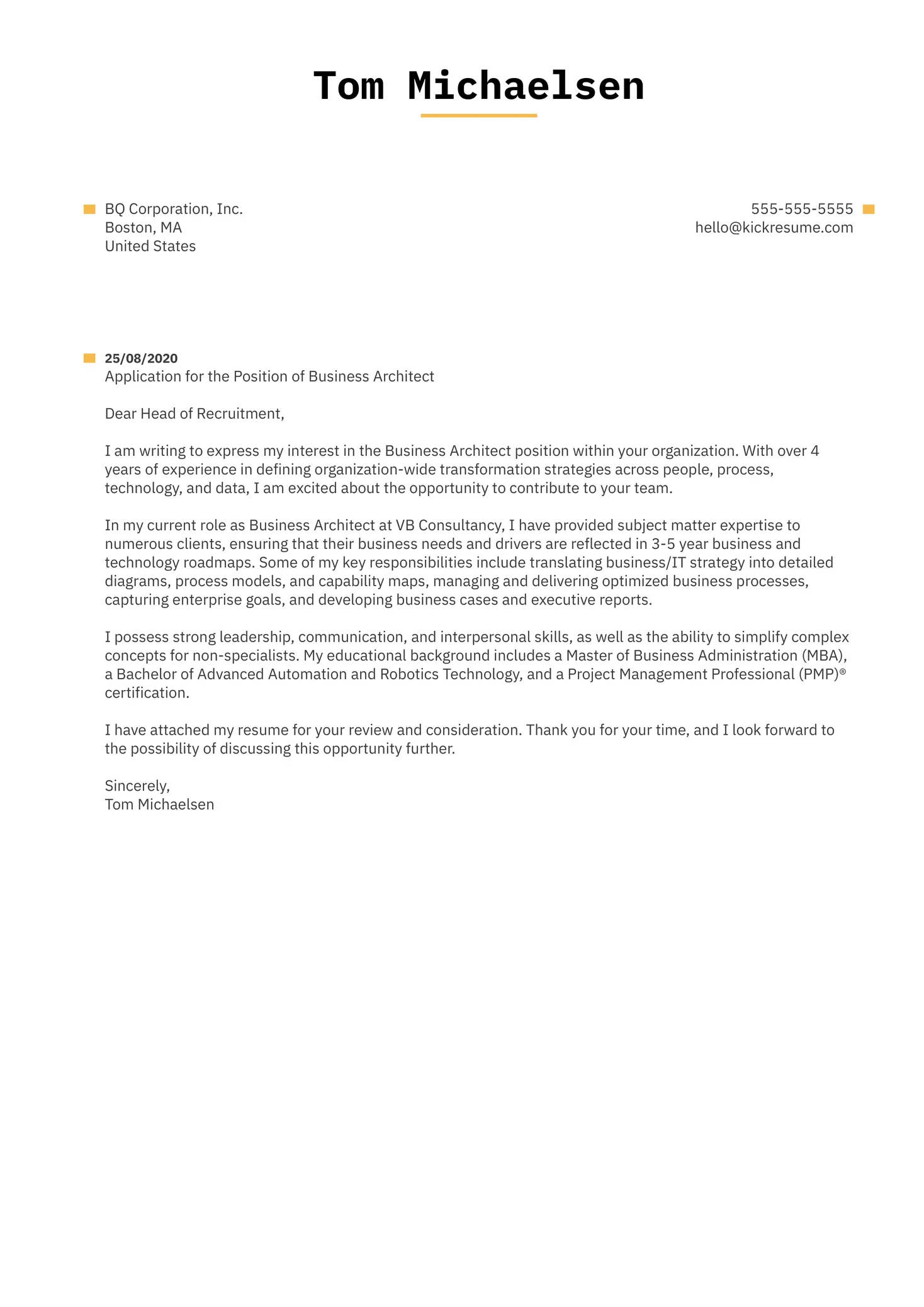
What is an Architecture Job Cover Letter
An architecture job cover letter is a crucial document that accompanies your resume when applying for architecture positions. It serves as your initial introduction to a potential employer, offering a glimpse into your professional background, skills, and aspirations. Unlike a resume, which presents a factual overview of your experience, a cover letter allows you to showcase your personality, passion for architecture, and how your qualifications align with the specific job and the firm’s values. It is your opportunity to make a strong first impression and persuade the hiring manager to read your resume and consider you for an interview. A well-crafted cover letter can significantly increase your chances of securing an architecture job.
Purpose of an Architecture Job Cover Letter
The primary purpose of an architecture job cover letter is to highlight your qualifications and express your interest in a specific position and firm. It allows you to elaborate on aspects of your resume, providing context and depth to your experiences. Your cover letter should demonstrate why you are a strong fit for the role, showcasing your understanding of the firm’s work, your relevant skills, and your enthusiasm for the opportunity. The best architecture cover letters also offer you the chance to express your design philosophy and career goals, making you stand out from other applicants. In essence, the cover letter is your voice, selling your abilities and potential to the employer.
Key Components of a Compelling Cover Letter

Contact Information
Start with a professional header that includes your full name, address, phone number, and email address. This information ensures the hiring manager can easily reach you. Make sure your email address is professional and reflects your name. Ensure it’s free of any nicknames or informal language. The header should be clearly formatted and placed at the top of your cover letter, typically on the left side or centered.
Professional Header and Salutation
Following your contact information, address the hiring manager or the specific person mentioned in the job posting. Use a formal salutation such as “Dear Mr./Ms./Mx. [Last Name],” if you know the name. If a name isn’t available, a more general approach is “Dear Hiring Manager.” Avoid generic greetings such as “To Whom It May Concern.” This personalized approach shows that you have taken the time to research the firm and the job requirements.
Personalized Introduction

In your introduction, immediately state the position you are applying for and how you learned about it. Briefly express your enthusiasm for the role and the firm. Mention something specific that attracted you to the job or the company. This demonstrates your genuine interest and helps to capture the hiring manager’s attention from the start. For example, reference a specific project by the firm that you admire or mention a particular skill you’re eager to apply.
Highlighting Relevant Skills and Experience
Showcasing Your Architectural Skills
This section is where you demonstrate your architectural expertise. Identify the key skills required for the job and provide specific examples of how you have used these skills in previous projects or experiences. Use action verbs to describe your accomplishments, such as “designed,” “managed,” “coordinated,” or “collaborated.” Emphasize your proficiency in relevant software like AutoCAD, Revit, SketchUp, or others mentioned in the job description. Tailor this section to match the requirements listed in the job posting.
Quantifying Achievements and Projects

Whenever possible, quantify your achievements to demonstrate the impact of your work. Instead of simply stating that you “managed projects,” mention the number of projects you managed, the budgets you handled, or the results you achieved. For example, “Managed a team of five architects on projects with budgets ranging from $500,000 to $2 million.” This quantifiable approach adds credibility and shows the value you can bring to the firm. Also, briefly describe projects you’ve worked on, focusing on your role and significant outcomes.
Demonstrating Understanding of the Firm
Researching the Architecture Firm
Research the architecture firm thoroughly before writing your cover letter. Visit their website, review their portfolio, and understand their design philosophy and recent projects. This shows that you are genuinely interested in working with them. Identify specific projects or aspects of their work that resonate with you and mention them in your letter. Demonstrate that you understand the firm’s values and how your skills align with their goals. This level of detail can set you apart from generic applications.
Tailoring the Letter to the Job

Customize your cover letter for each job application. Don’t use a generic cover letter. Carefully review the job description and identify the key skills and qualifications the firm is seeking. Then, in your cover letter, emphasize the skills and experiences that are most relevant to that particular job. Use the same keywords as those in the job description where appropriate. By tailoring your letter, you demonstrate that you understand the specific needs of the firm and are a perfect fit for the role.
Closing the Cover Letter
Expressing Enthusiasm and Call to Action
In your closing paragraph, reiterate your interest in the position and the firm. Express your enthusiasm for the opportunity to contribute to their projects. Include a clear call to action, such as requesting an interview or offering to provide further information. Thank the hiring manager for their time and consideration. For example, you could write, “I am eager to discuss how my skills and experience can benefit [Firm Name]. Thank you for your time and I look forward to hearing from you.”
Formatting and Proofreading

Font Choice and Readability
Choose a professional and readable font, such as Times New Roman, Arial, or Calibri. Use a font size between 10 and 12 points for optimal readability. Ensure your cover letter is well-formatted with clear headings, bullet points (if needed), and adequate spacing. Avoid overly decorative fonts or unusual formatting, as it can distract the reader. Maintain a clean and organized layout to make your cover letter easy to read and visually appealing. A well-formatted letter shows attention to detail and professionalism.
Proofreading for Errors
Proofread your cover letter carefully before submitting it. Check for spelling, grammar, and punctuation errors. Read the letter multiple times, and consider asking a friend or mentor to review it. Errors can detract from your professionalism and may give the impression that you lack attention to detail. Ensure the information is accurate and that your cover letter is free from any typos or grammatical mistakes. This step is crucial for making a positive impression on the hiring manager.
Examples and Templates

Where to Find Architecture Cover Letter Templates
Many online resources offer architecture cover letter templates to help you get started. Websites like Indeed, Resume.com, and specialized career sites often provide templates that you can customize. These templates serve as a starting point, offering a structure and format you can adapt to your specific needs and experience. Be sure to personalize the template with your unique skills, experience, and the specific requirements of the job you’re applying for. Remember, the best cover letters are tailored to each application, even when using a template.
Analyzing Successful Architecture Cover Letter Examples
Review successful architecture cover letter examples to gain inspiration and understand best practices. Look for examples that highlight strong writing, showcase relevant skills, and demonstrate a genuine interest in the firm. Pay attention to how the applicants tailor their letters to the job requirements and the company’s values. Analyze the tone, language, and structure of successful examples to learn how to effectively present your qualifications and make a compelling case for why you are the right candidate. Studying successful examples provides valuable insights and helps refine your approach.